In an age where comfort and convenience reign supreme, the way we regulate the climate in our homes has taken center stage. The days of fiddling with dials and switches are behind us. Today, households across the globe are embracing smart temperature control systems to fine-tune their living environments like never before.
These systems promise not only to change how our homes feel but also to optimize energy consumption and reduce electricity bills. Understanding the impact of these technologies can paint a vivid picture of what the future holds for modern living spaces.
The Next Step in Home Comfort
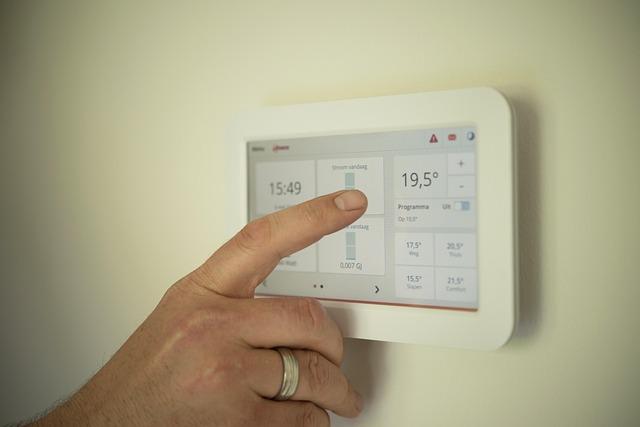
Smart thermostats represent a significant shift in how we approach indoor climate control. They utilize algorithms and learning capabilities to keep spaces at desirable temperatures without the constant manual adjustments of traditional systems. Imagine walking into a living room that remembers your preferences, adjusting automatically based on time of day, outdoor temperature, and even room occupancy.
But it’s not just about a more comfortable environment. The potential for energy savings is enormous. By automatically adjusting the heat when nobody’s home or turning off air conditioning when windows are open, families can cut down on unnecessary energy consumption. In fact, several studies have found that smart temperature systems can help homeowners save up to 15% on heating and cooling costs annually.
To complement these benefits, homeowners have access to services like Cedar Lake air conditioner repair, ensuring that their systems are always running efficiently. Maintenance and repair services play a crucial role in preventing unexpected breakdowns and maintaining comfort through tumultuous climate seasons.
Considering their growing popularity, the integration of smart temperature control with home systems is becoming increasingly intuitive. Homeowners can benefit from integration with security systems, which can work in tandem during different activities like entering or leaving the home. These integrated systems are providing a seamless experience while ensuring comfort and energy efficiency are maintained regardless of occupancy patterns.
Security concerns, unfortunately, are a common consideration with new home tech. Manufacturers are addressing these by fortifying devices with advanced encryption methods to safeguard personal data. As these systems become more sophisticated, building trust with end-users is paramount to ensuring mass adoption. Open communication regarding data usage and protection is key to assuring consumers feel confident when transitioning to these smart systems.
Tailored to Your Unique Needs
Different households have different needs, and a one-size-fits-all approach often falls short in diverse urban settings. Customizable smart systems adapt their functionality based on individual usage patterns. In multi-member households, for instance, these systems can recognize distinct profiles, ensuring each family member’s preferred settings are respected regardless of who is home.
For those concerned about the environmental cost of control systems, many devices offer eco-friendly settings, balancing comfort with conservation. By analyzing local weather conditions and learning from user habits, these smart systems strike a balance between maintaining comfort and minimizing energy expenditure.
The evolution of user interfaces in smart thermostat technology further enhances customizability. With intuitive design features and the ability to update remotely, even less tech-inclined homeowners can easily navigate settings. This adaptability ensures that each household can tailor its system to specific lifestyle needs without the need for complex setups or assistance.
Bridging Connectivity with Control
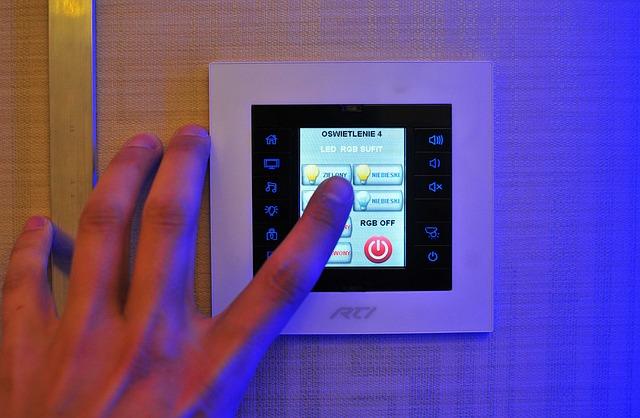
Beyond the immediate benefits, a deeper integration with other home systems offers residents a synchronized living experience. Products with built-in compatibility for voice assistants allow users to control their home’s climate via simple voice commands. Commands like “turn down the heat” or “set the living room to 72 degrees” are no longer a futuristic dream but a present-day reality.
Moreover, smartphone apps extend this control beyond the confines of the home. Left for a vacation and forgot to switch off the heating? No problem—just open an app and make changes from anywhere. Such unmatched convenience exemplifies how interconnected technologies are reshaping our approach to home automation.
As technology continues to link into various aspects of domestic life, it offers the potential for partnerships between different home service providers. Utilities and smart thermostat manufacturers, for instance, can collaborate to offer real-time energy use data. This partnership can empower homeowners to make informed decisions, sync energy usage with grid conditions, and potentially benefit from cost-saving incentives offered by energy providers.
The Path Forward
The path forward for smart temperature control is bright, with new technologies being continuously refined. Thermal sensors, remote access, and AI systems enrich the capabilities of ordinary thermostats, transforming them into essential components of the connected home environment. While challenges such as privacy concerns and cost implications do exist, the benefits, including cost reductions and personalized comfort, make the investment worthwhile for many consumers.
Ultimately, smart temperature controls signify a broader trend of technology seamlessly integrating into daily life, promoting efficiency, conservation, and well-being. As these systems evolve, our understanding of comfort and ecological responsibility will undoubtedly evolve with them.