Piedmont is one of the Bay Area’s most enduring real estate stories, a small city-within-a-city entirely surrounded by Oakland, known for tree-lined streets and some of the finest early 20th-century residential architecture in Northern California.
If you have just bought a home here, there is a good chance it was built between 1910 and 1940, a Tudor Revival, a Mediterranean estate, a Colonial Revival, or a Craftsman bungalow with original character intact. These homes are gorgeous. They are also a genuine challenge to move into, in ways that catch most newcomers off guard.
Here is what to know before the moving truck pulls up to your new historic Piedmont home.
Old Homes Were Not Designed for Modern Furniture
The first thing to understand is that homes built a century ago were designed around the furniture and lifestyle of their era, not around today’s oversized sectionals, king mattresses, and eight-foot media consoles. Doorways are often narrower than the modern standard. Staircases tend to be steeper, with tighter turns and lower-hanging landings. Hallways can be surprisingly compact.
Before your move, measure your largest pieces, sofas, armoires, bed frames, dining tables, and compare them against the actual doorways, stair widths, and turning angles in your new home. It is far better to discover that a sofa will not clear the staircase a week before the move than on the day of, with a crew standing by and the clock running. In some cases, large items may need to be disassembled, hoisted through a window, or in rare situations, simply cannot make it to an upper floor at all.
Original Details Are Irreplaceable, and Vulnerable
Part of what makes a historic Piedmont home special is the craftsmanship: original hardwood floors, hand-milled banisters, plaster walls, leaded glass, vintage tile, and built-in cabinetry. These details are also exactly what gets damaged during a careless move, and unlike a modern home, you cannot simply run to the hardware store to replace them.
Protecting these features requires a deliberate plan. Floors should be covered with proper protective materials, not just a stray blanket, to guard against scratches, dents, and grit tracked in during a long move. Banisters and doorframes at tight corners should be padded. Delicate plaster walls need care that drywall does not. This is one of the biggest reasons that experience matters when moving into an older home. A crew that understands historic properties treats them differently, because they know what is at stake if they do not.
Staircases Are the Central Challenge
In many Piedmont homes, the staircase is the make-or-break element of the entire move. Steep, narrow, often turning, and sometimes with a landing that forces an awkward pivot, these stairs demand skill and the right equipment. Heavy items like pianos, safes, and large case goods are particularly difficult and, if handled improperly, genuinely dangerous both to the movers and to the home.
If your new home has a notable staircase, flag it early with your movers so they can plan the approach, bring the right equipment, and allocate enough crew. Do not assume a heavy piece will simply go up, confirm it in advance. A professional team will often walk the route beforehand and identify the pinch points before lifting anything.
Plan for Parking and Street Access
Piedmont’s residential streets are charming, but they were not built with moving trucks in mind. Many are narrow, some are on a slope, and parking a full-size truck close to the entrance is not always straightforward. Depending on your specific street, the crew may need to carry items a longer distance, navigate a sloped approach, or coordinate around limited curb space.
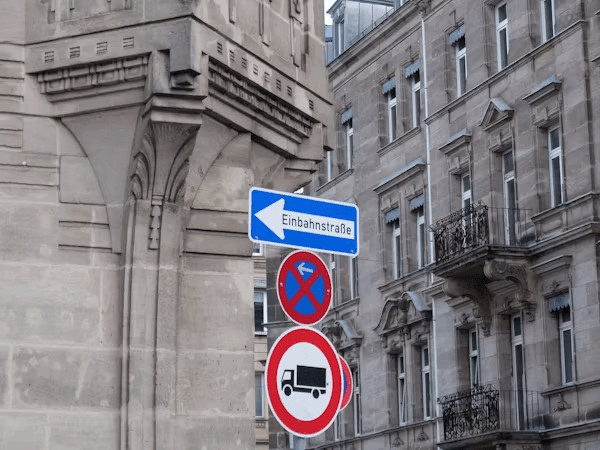
It is worth scouting your street in advance and thinking through where a truck can realistically park. A local team that knows Piedmont will often already understand the access quirks of specific neighborhoods, from the flats near the town center to the winding streets of Upper Piedmont and Piedmont Pines in the hills. That local knowledge saves time and prevents unpleasant surprises on move day.
Climate and Storage Considerations
If there is any gap between closing and move-in, or if you are downsizing from a larger home and need to store pieces you cannot immediately place, plan your storage carefully. The Bay Area’s mild climate is generally kind to furniture, but antiques, artwork, and wood pieces still benefit from climate-controlled storage to guard against humidity swings.
If your historic home has less closet and storage space than a modern build, and many do, a short-term storage solution can give you breathing room to arrange the home thoughtfully rather than cramming everything in at once.
Why Local Experience Makes the Difference
Moving into a historic home in a hillside enclave like Piedmont is not a job for a crew that treats every move the same way. Between the century-old construction, the irreplaceable original details, the challenging staircases, and the tricky street access, the margin for error is small and the cost of a mistake is high.
Working with an experienced moving company Piedmont residents trust means the team arrives already understanding these challenges, with the equipment, the technique, and the local familiarity to handle your home and your belongings with the care they deserve.
The reward for getting it right is considerable. Piedmont’s historic homes offer character, craftsmanship, and a sense of place that new construction simply cannot replicate. Take the time to measure carefully, protect what matters, plan for the staircases and the street, and line up a crew that knows what moving into one of these homes actually involves.
Do that, and you will be settling into your beautiful new-old home with the character intact and the stress kept to a minimum, ready to become part of one of the East Bay’s most storied communities.