Whether you’re a homeowner in the US or the UK, a well-built fence does more than mark property boundaries. It adds privacy, improves security, protects outdoor spaces from the elements, and enhances a home’s curb appeal. In the UK, where properties often have smaller gardens and face varying weather conditions, choosing the right fencing materials and design is especially important for both durability and appearance.
While a high-quality wooden fence can last around 20 years—and metal options even longer—many homeowners delay routine maintenance. By the time they address the issue, rot, rust, warping, discolouration, and missing panels have already created major eyesores and unnecessary security risks. Temporary fixes can briefly delay this damage, but when it is time for a permanent solution, shopping for new and replacement garden fences has never been easier.
Why Upgrade Your Garden Fence?
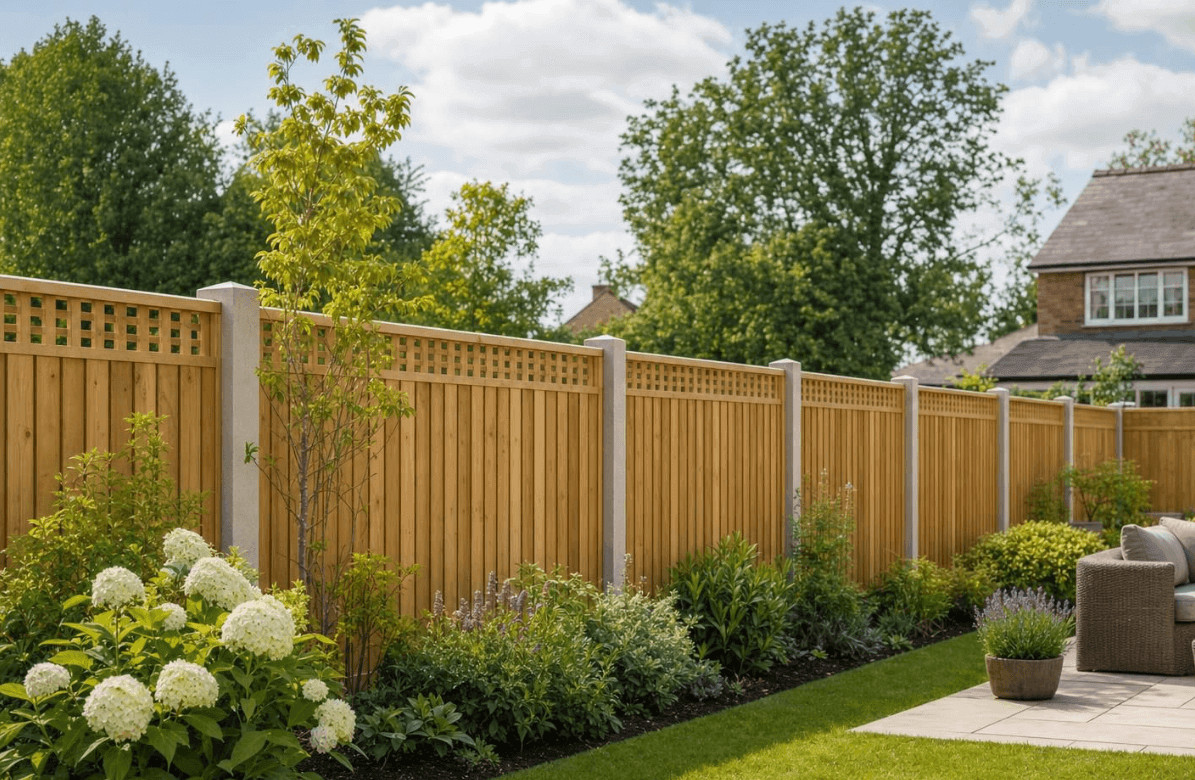
Installing a new fence in the UK boosts home security, enhances privacy in close-knit gardens, defines clear property boundaries, and increases property value. Under UK permitted development rules, most rear fences can reach up to two metres without requiring local council planning permission. Key reasons to upgrade are:
- Enhanced security and safety: A solid, tall barrier that blocks unauthorised access to your property helps deter intruders. Well-built fences keep dogs, cats and young children safely inside gardens. They also protect harsh winter gales.
- Privacy and seclusion: Standard 2-metre garden fence panels block out prying eyes from nosy neighbours and footpaths, especially in built-up urban areas with terraced and high-density housing.
- Noise reduction: Solid timber and composite fence panels dampen loud road noise, traffic and nearby conversations.
- Property value and aesthetics: A newly installed or freshly painted garden fence enhances a home’s overall appeal. Homeowners can make fencing a focal point in gardens with dozens of decorative options.
Choosing Replacement Garden Fence Styles That Suit Your Home
Choosing the right fence does more than just secure your home—it shapes the entire personality of your property and garden. Beyond its visual impact, a well-chosen fence tackles practical everyday needs, from creating private seating zones to screening out noisy neighbours and defining clear footpaths. For UK homeowners, the most popular and reliable fencing options include:
Closeboard (Feather Edge) Fencing
Closeboard feather edge fencing is a traditional boundary choice made from tightly packed, overlapping tapered boards. The overlapping design efficiently sheds water, withstands heavy winds, and provides excellent garden privacy. Because these fences are built board-by-board rather than from pre-made panels, they easily adapt to sloping terrain. They also offer design flexibility, with straight-top, arched, concave, and double-sided options available to boost both security and visual appeal. Maintenance is equally straightforward, as individual damaged boards can be replaced without dismantling the entire fence.
Picket Fences
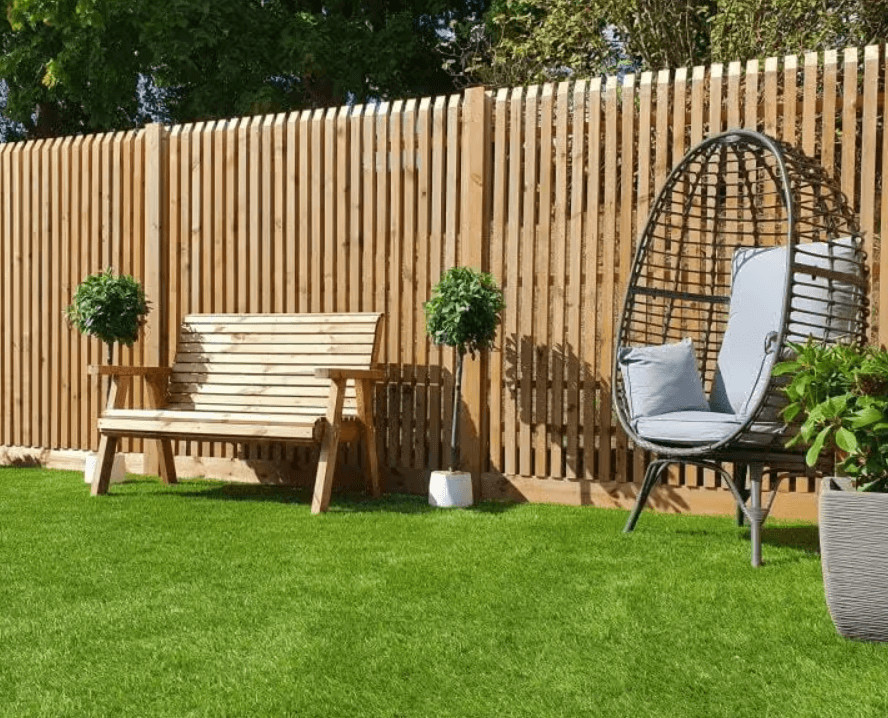
These are short barriers made of evenly spaced vertical boards called pickets, attached to horizontal rails supported by upright posts. Standing at 3 or 4 feet high, picket fences help define property boundaries, contain pets and children and provide an open view with airflow. Boards can be optioned as wood, vinyl or metal slats (each with pointed, flat or rounded tops) and arranged in straight-top or arched designs and decorated with top lattices.
Lap Panel (Waney Edge)
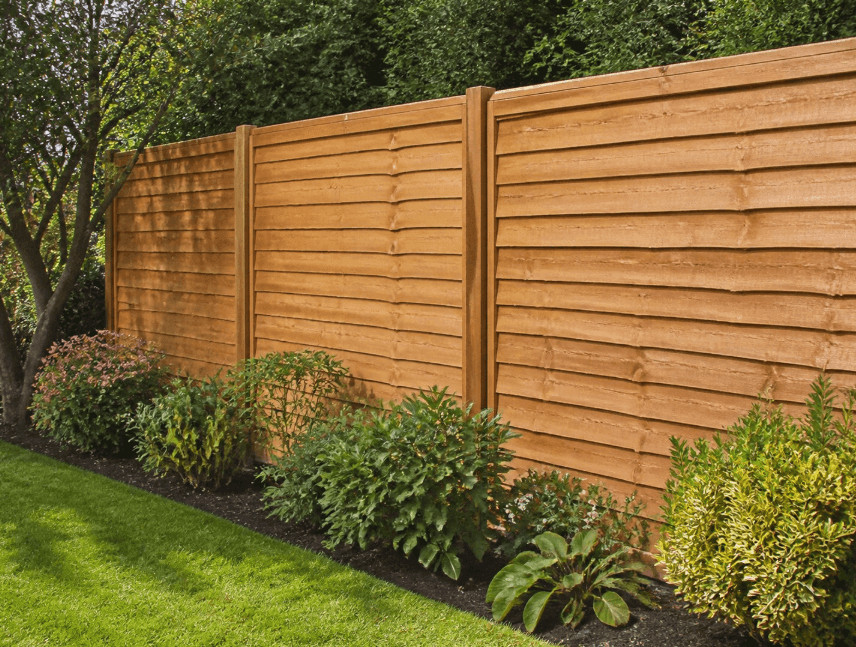
Waney edge (or lap panel) fences use horizontal, roughly-sawn timber boards with natural, curved edges. Standard panels are 6 feet (1.8m) wide, with heights ranging from 2 to 6 feet (0.6 to 1.8m) that allow for stepped designs. Typically built with pressure-treated wood and an overlapping structure, they offer an affordable, neat, and classic look that is simple to install.
Tongue and Groove
As a premium fencing option, tongue and groove fences utilise interlocking wood or composite boards, featuring a ridge (tongue) and a slot (groove)that fit completely flush together. This seamless, gap-free design maximises privacy, provides high wind resistance, and prevents long-term warping and rotting. With clean lines and a polished appearance on both sides, this contemporary style serves as an excellent complementary addition to patios, decking, and garden structures.
Other popular options are “hit-and-miss” fences with alternating horizontal boards on either side when balancing effective screening and airflow; composite fencing with recycled wood and plastic boards for improved rot resistance and decorative options, such as European straight-top panels with dual-faced designs and a combination of horizontal and vertical slats and integrated top lattices.
Posts, Fixings and Fence Details
The strength of a fence relies entirely on its framework, making proper post spacing, ground preparation, and material selection essential for long-term stability. While timber posts offer a natural look that blends seamlessly with wood panelling, with options ranging from pressure-treated softwoods like pine to durable hardwoods like oak, they remain susceptible to rot.
Alternatively, steel-reinforced pre-cast concrete posts provide ultimate weather resistance and can last for decades, though they are heavy and difficult to install. For the best of both worlds, metal fence posts made from galvanised or powder-coated steel or aluminium combine the durability of concrete with the slim profiles and easier installation of timber.
Carefully selected fixings matter just as much as sturdy posts. When securing metal plates and brackets, choose galvanised steel screws and nails. These provide superior resistance to corrosion and weathering, while delivering the strength needed to support heavy panels in high winds without splitting the timber.
Additionally, incorporating functional features like fence post caps, rails, and kickboards improves overall structural support. These components shed rainwater and block ground moisture, vastly reducing timber discolouration, rotting, and sagging.
Fencing Heights, Boundaries and Budgets
Rear garden fences can reach heights of up to 2 metres without planning permission. However, properties with front gardens facing highways, public pavements, or footpaths are restricted to a 1-metre height limit, including posts and decorative trellis tops. Homeowners installing a fence where none currently exists must first establish exact property boundaries to ensure the installation is legal. This can be done by checking title deeds and discussing plans with neighbours.
To work out how much you need, measure the full length of your boundary and divide it by the panel width. Standard panels are 6 feet (1.8m) wide, and a straight run needs one more post than it has panels. Allow separately for any gate openings, and note any slopes, as stepped panels or closeboard may suit uneven ground better.
Lastly, successful project management requires careful budgeting to outline all material and labour costs. Material prices will depend on the choice of fence type, timber options, wood treatments, post materials, and extras like gates. In addition to materials, remember to factor in the labour costs for a professional installation, as well as the fees for removing and clearing away your old fencing.
Before you start shopping, it helps to know roughly what to expect. Panel prices vary with style, height and timber treatment. Getting at least a few written quotes will show you what is included, such as old fence removal and disposal.
Whether you are repairing one section or replacing the whole boundary, taking the time to compare styles, posts and total costs will help you choose a garden fence that lasts.