If you’re the kind of homeowner who reads about DIY kitchen upgrades and pergola builds on a Saturday morning, you’re probably also the type who notices things other people miss, a hairline crack in the drywall, a soft spot in the subfloor, a faint hum from somewhere near the water heater. That same attentiveness matters just as much below the surface of your home as it does above it. Pests don’t care how nice your renovation turned out. They care about wood, moisture, and quiet places to build a colony, and left unchecked, they can undo years of careful home improvement work in ways that are far more expensive to fix than a scuffed countertop.
This is especially true in desert communities where building materials, climate, and soil conditions combine to create pest pressures that don’t exist in most other parts of the country. Homeowners searching for Sahuarita pest control are often dealing with a very different set of risks than someone in a humid Midwest suburb, and the mistakes that cause real structural damage tend to be specific to that environment. Understanding those local conditions is the first step toward protecting both your home’s bones and its resale value.
Why Sahuarita’s Desert Climate Creates Unique Pest Pressures
Warm, dry conditions might seem like they would discourage pest activity, but the opposite is often true in southern Arizona. Termites, scorpions, and rodents all adapt well to arid climates, and many of them thrive year-round rather than dying back during a cold season the way they might elsewhere. Scorpions seek shelter in block walls and foundation gaps during the hottest stretches of summer, while rodents look for any crack that leads to a cooler, shaded interior. Monsoon season adds another layer of complexity, since sudden bursts of moisture after months of dry heat create ideal conditions for termite swarms and fungal growth in wood that has already been stressed by heat cycling.
Homes built on the edge of undeveloped desert land are particularly vulnerable because construction removes the termites’ natural food sources, pushing colonies toward the nearest available wood, which is often the house itself. This pattern is well documented by researchers who study termite behavior in the region, and it explains why homes that look perfectly fine on the surface can have significant hidden damage within just a few years of construction.
The Most Costly Mistake: Ignoring Early Warning Signs Until Structural Damage Occurs
The single most expensive mistake homeowners make is waiting too long to act on small, easy-to-dismiss signs. Mud tubes running along a foundation wall, small piles of what looks like sawdust near baseboards, or wood that sounds hollow when tapped are not cosmetic issues, they’re indicators of an active colony that has likely been established for a long time already. Because termite colonies can number in the tens of thousands and work continuously, a few weeks of delay can mean the difference between a targeted treatment and a full-scale structural repair involving support beams or subflooring.
This is the same principle explored in pest control mistakes that turn a manageable situation into a costly disaster, and it applies just as directly to desert homes as it does anywhere else. The temptation to wait and see is understandable, especially when the visible damage seems minor, but pest colonies rarely stay small. According to Termite Troubles, subterranean termites are the most common and destructive species in the arid southwest, and once natural food sources are cleared away for construction, they turn to attacking homes directly, leading to substantial economic losses for property owners who don’t catch the problem early.
Misidentifying Pests and Applying Wrong Treatments
Not all termites behave the same way, and treating the wrong species with the wrong method can actually make matters worse. Desert subterranean termites live in soil-based colonies and need consistent contact with moisture, which means they typically require bait systems or soil treatments applied around the foundation. Drywood termites, on the other hand, live entirely within the wood itself and need fumigation or localized wood treatments rather than soil-based approaches. Applying a subterranean treatment to a drywood infestation, or vice versa, often does nothing but delay proper treatment while the colony continues to grow undisturbed.
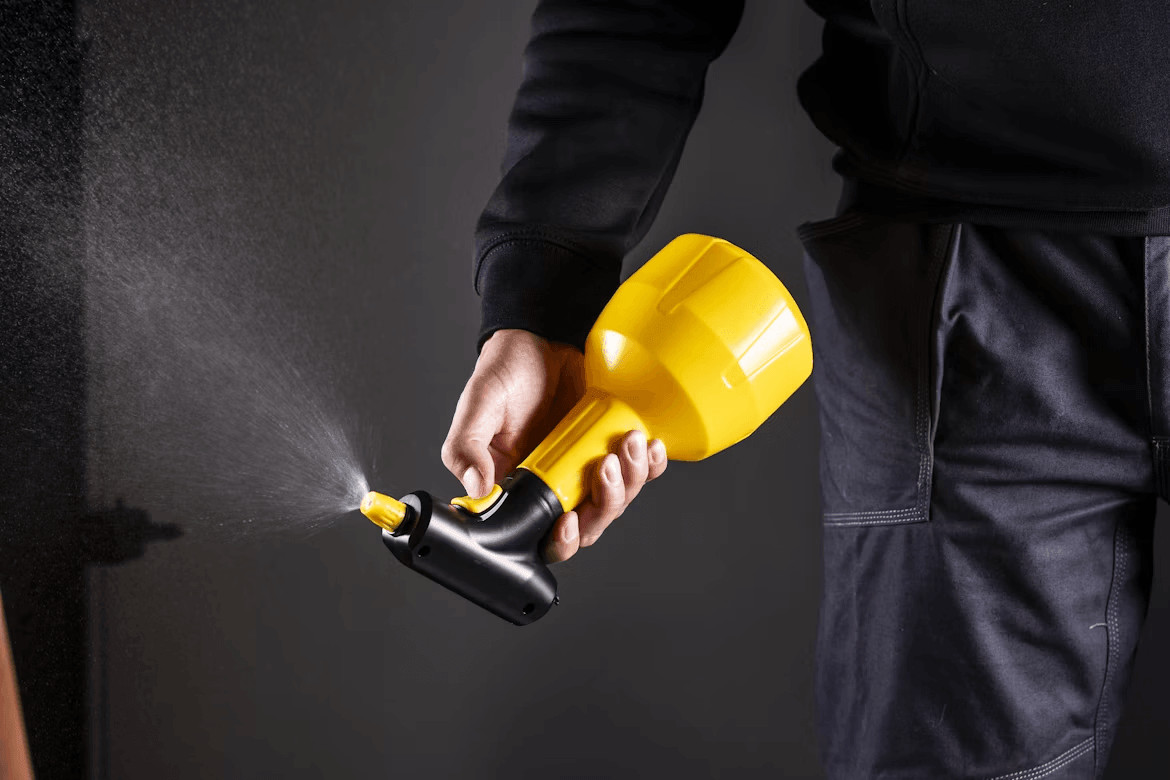
Over-the-counter sprays present their own set of risks, since many of them are repellents rather than true eliminators. Instead of destroying a colony, these products can push termites deeper into wall cavities or trigger a defensive behavior called budding, where the colony splits into multiple smaller groups that are harder to locate and treat. This is one reason a large share of homeowners keep dealing with repeat infestations even after buying store-bought products, since the underlying colony was never actually removed.
Overlooking Landscaping and Moisture Conditions Specific to Sahuarita Homes
Block walls, which are common in southern Arizona construction, create hollow cavities that pests find appealing for shelter, especially when small foundation cracks give them easy access. Irrigation systems for desert landscaping can also inadvertently create moisture pockets right next to a home’s foundation, giving subterranean termites the damp soil conditions they need to survive. Mulch placed too close to exterior walls compounds this problem by holding moisture against the foundation and offering a direct pathway for pests to travel from soil to structure without ever being exposed.
Seasonal temperature swings between winter nights and summer days cause building materials to expand and contract, which can widen small gaps over time and create new entry points that weren’t there when the home was built. Homeowners who schedule seasonal inspections tied to these local weather patterns, particularly before and after monsoon season, tend to catch problems while they’re still inexpensive to fix.
| Statistic | Figure |
| Growth in residential pest control accounts (2021-2025) | 69% increase, from 7.85 million to 13.29 million |
| Structural pest control industry revenue (2024) | $12.654 billion, up 7.9% from 2023 |
| Homeowners experiencing a pest infestation annually | Approximately 40% |
| Homeowners relying mainly on sprays despite repeat infestations | 54% |
| Average pest-related repair costs over five years | $650 per homeowner |
Taken together, these numbers show that pest problems are becoming more common and more expensive across the country, and desert climates like Sahuarita’s only add to that pressure. Protecting a home’s structure and resale value starts with recognizing that local conditions, from block wall construction to monsoon moisture cycles, shape which mistakes are most likely to cause lasting damage. Homeowners who treat pest prevention with the same seriousness they bring to any other renovation project are far less likely to face a five-figure repair bill down the road.