When a drain backs up, most homeowners think about one thing: how fast can this be fixed?
Speed matters. But how the repair is done matters just as much. A rushed drain job can damage floors, crack pipes, flood soil, or lead to repeat blockages. A professional team focuses on fixing the problem without creating new ones.
Professional teams do more than clear drains. They manage risk. They protect your building materials, your garden, your indoor air quality, and your time, because no one wants repeated service calls. If you want to see what strong professional standards look like, review how established companies explain their process. For example, pages that outline professional drain cleaning services by FloWise show the types of issues and solutions reputable contractors typically cover. The key point is not the company name. It is the mindset. Diagnose first. Fix with precision. Leave the property as intact as possible.
Here is what good drain professionals do to protect your home during repairs.
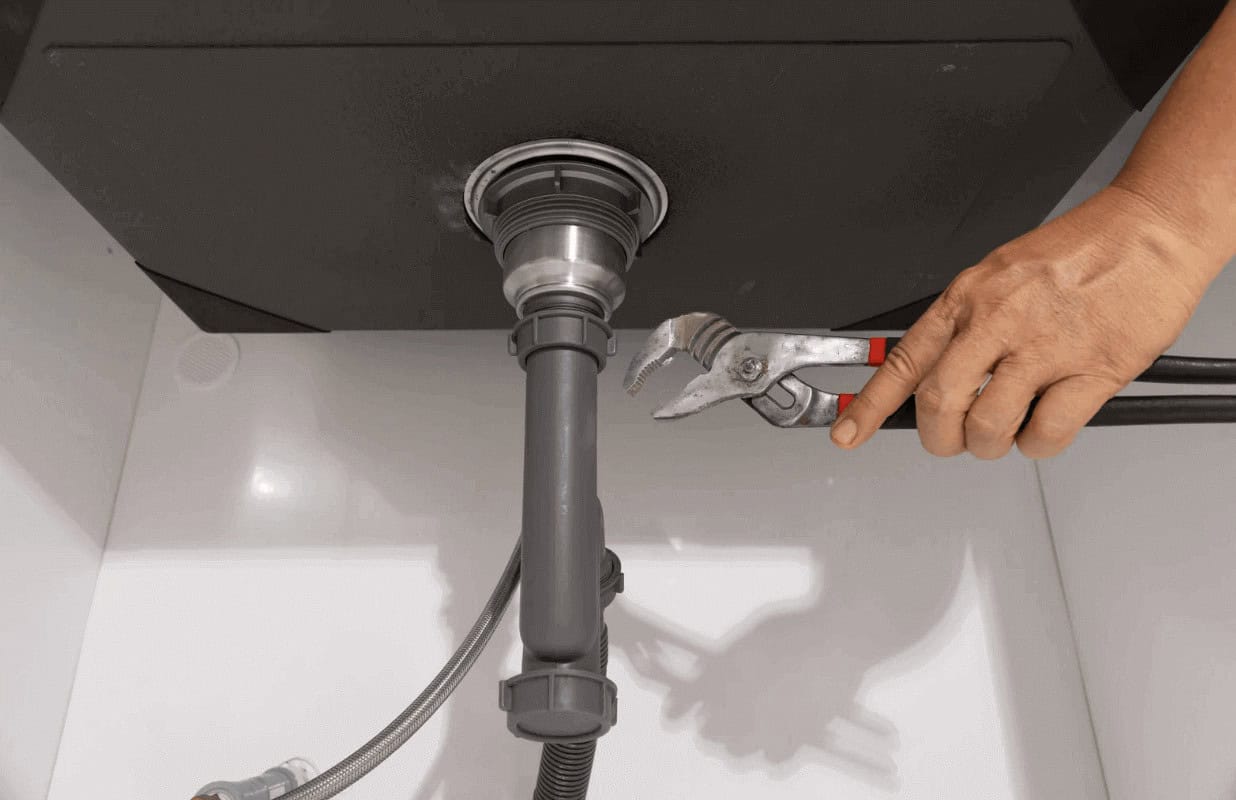
Why Professionals Diagnose Before Clearing a Drain
A blocked drain is not just a clog. It is a water problem. And water can damage your home fast.
Before clearing anything, a professional thinks about what could go wrong. Could water back up into the house? Could pressure damage an older pipe? Could wastewater spread into the yard?
They also look for the real cause of the problem.
A slow sink might mean hair or soap buildup. But if several fixtures drain slowly, the issue may sit deeper in the main line. Bad smells, gurgling sounds, or backups after heavy rain often point to a larger restriction underground.
Instead of attacking the drain with maximum force, professionals look for patterns first. This protects your pipes and prevents repeat blockages.
Drain Inspection Methods That Protect Your Home
The best way to protect your home during a drain repair is simple. Do not dig until you know exactly where the problem is.
Modern professional drain repair starts with inspection tools, not guesswork.
CCTV Drain Camera Inspections
A technician feeds a small waterproof camera into the drain line. The live video shows:
- The exact location of the blockage
- Cracks or broken pipe joints
- Tree roots inside the pipe
- The pipe material and condition
This step prevents unnecessary digging. Instead of tearing up a driveway or opening a wall to search for the issue, the team can target the exact spot that needs repair.
That saves time, money, and your landscaping.
Smoke and Dye Testing for Hidden Leaks
If you notice bad smells or unexplained damp areas, professionals may use smoke or colored dye to trace the source.
These tests help locate hidden leaks or improper connections without cutting into floors or walls. By narrowing the search area, they reduce damage to finished surfaces.
Inspection first. Repair second. That order protects your home.
Cleaning Methods That Don’t Sacrifice Pipe Integrity
Clearing the line is only half the job; doing it without harming the system is where expertise shows.
High-pressure water jetting—used responsibly
Jetting is incredibly effective, but pressure and nozzle selection must match the pipe. Too much force in older clay pipework can exploit weak joints. Too little and you leave a greasy film that traps debris again.
A careful operator will adjust for pipe condition, access distance, and blockage type (fat, silt, wipes, scale). They’ll also manage downstream flow so dislodged material doesn’t simply compact further along and create a bigger problem.
Mechanical rodding and root cutting—targeted tools
Rods can be the right call for localised obstructions, especially close to an access point. Root cutting tools, used with a camera-led approach, can clear intrusions while minimising the chance of “punching through” a compromised pipe wall. Importantly, professionals clean first, then re-check with CCTV—because you don’t want to miss a crack that was hidden behind the blockage.
How Professionals Protect Your Floors and Yard
Drain repair can get messy. A professional team plans for that before work begins.
You should see protective steps in place right away.
Before starting, most experienced contractors will:
- Cover indoor floors with protective mats or plastic sheeting
- Protect access covers before lifting them
- Set hoses in safe paths to prevent tripping or surface damage
- Control water spray around outdoor drains
- Wear proper protective gear when handling wastewater
These steps may seem simple, but they prevent stains, scratches, and contamination.
Containing Dirty Water
Blocked drains can involve wastewater, grease, and debris. Professionals work carefully to keep contaminated water from spreading into clean areas of your home or yard.
Indoors, they may isolate the affected fixture before testing or cleaning. Outdoors, they control runoff so wastewater does not flow into flowerbeds or across walkways.
A careful setup at the start prevents a larger cleanup later.
Managing Odors and Hygiene
Drain cleaning can release unpleasant smells. In some cases, bacteria can spread if the work is handled poorly.
Professionals reduce this risk by controlling spray direction, disinfecting affected areas, and checking drain traps and seals before they leave.
This protects your indoor air and keeps your home sanitary after the repair.
Drain Repairs: Options That Minimize Damage to Your Property
Sometimes a drain is not just blocked. The pipe itself may be cracked, separated, or collapsed.
When that happens, the goal is to fix the pipe while disturbing as little of your property as possible.
Drain Lining and Spot Repairs
In many cases, professionals can repair a damaged pipe from the inside. This method is called drain lining.
A flexible liner is inserted into the existing pipe and cured in place. Once hardened, it forms a new pipe inside the old one.
Drain lining works well for:
- Small cracks
- Minor joint separations
- Leaks
- Areas weakened by root growth
This method avoids digging up driveways, patios, or landscaping. It is faster and often less expensive than full excavation.
When Excavation Is Necessary
If a pipe has collapsed or shifted out of place, digging may be required.
A professional team will first use camera measurements to pinpoint the exact repair location. This limits how much of your yard or driveway needs to be opened.
After replacing the damaged section, they should restore the surface properly so you are not left with uneven soil or sinking pavers later.
The right repair solves the problem without creating new ones.
How Professionals Help Prevent Future Drain Problems
A good drain repair does more than fix today’s blockage. It helps prevent the next one.
Repeated drain clogs are rarely random. They usually follow a pattern. Grease buildup, root growth, pipe misalignment, or poor drainage habits often cause repeat problems.
After completing the repair, professionals may recommend simple steps to protect your system:
- Keep grease and cooking oil out of kitchen drains
- Use strainers in sinks and showers
- Avoid flushing wipes or paper towels
- Trim or remove trees with aggressive roots near sewer lines
- Schedule periodic drain inspections for older homes
For properties with a history of blockages, a preventive maintenance plan can catch small issues before they become expensive repairs.
Small habits protect your plumbing system for years.
The Bottom Line
Drain problems are stressful. But the right professional approach keeps the issue contained and controlled.
Experienced drain specialists protect your home by diagnosing carefully, cleaning safely, and repairing with minimal disruption. When done correctly, a drain repair should solve the problem without creating new damage.
If your drain has backed up, focus on more than speed. Focus on how the work will protect your home.