Selling a house with severe structural issues presents a massive financial dilemma for property owners. Facing unexpected contractor quotes forces tough decisions between spending personal savings upfront or accepting steep discounts. Unseen costs often turn quick fixing projects into endless money pits.
Evaluating realistic options early helps safeguard your hard-earned bank balance. Weighing contractor expenses against potential sales proceeds offers a clear roadmap toward a successful property transaction. Careful planning lets sellers regain total control over their timeline and wallet.

Image by Karolina Grabowska for Unsplash
Assessing Roof Damage And Age
Roof issues top the list of major property defects discovered during standard home inspections. Aging shingles, active leaks, or ceiling water stains quickly turn away traditional buyers looking for move-in ready houses.
Replacing a severely damaged roof costs anywhere from $8,000 to $25,000 depending on materials and square footage. Fixing the roof might raise your final home sale price, but you must pay contractors upfront before closing.
Minor patch jobs save cash right now, but prospective buyers often request complete replacements during price negotiations. Understanding your local buyer pool will clarify if spending money on roof work yields a positive return.
Evaluating Foundation Issues And Structural Costs
Foundation cracks and sloping floors trigger serious concern during standard buyer walkthroughs. Fixing major structural issues can run into tens of thousands of dollars without guaranteed dollar-for-dollar equity recovery.
Structural defects can also complicate mortgage approvals for buyers who require traditional financing. When repair costs become difficult to justify, some homeowners consider alternatives that let them skip agents, repairs and fees with a cash sale rather than taking on major upfront expenses. This approach may appeal to property owners who want to avoid committing significant funds to extensive structural work before selling.
Structural repairs require formal engineering reports and municipal permit sign-offs from city hall. Administrative steps add extra weeks or months to your selling timeframe, raising monthly holding costs.
Plumbing Hazards And Major Pipe Replacement
Sewer line leaks and outdated galvanized pipes create hidden nightmares inside older residential properties. Water damage spreads rapidly behind drywall, creating toxic mold and destroying expensive flooring materials throughout the house.
An industry report explained that an as-is transaction simply means the seller will not perform repairs or fix defects. Setting the boundary upfront protects sellers from endless repair lists demanded by prospective buyers after inspections.
Replacing entire plumbing networks requires tearing open walls and pulling up tile flooring in bathrooms. Local plumbers charge premium rates for emergency plumbing overhauls required before a traditional home listing goes live.
Outdated Electrical Systems And Safety Risks
Knob-and-tube wiring or outdated breaker boxes fail modern safety inspections consistently in older neighborhoods. Buyers struggle to secure home insurance policies when electrical panels pose immediate fire risks or code violations.
Rewiring an entire residential house requires permits and licensed electricians who bill high hourly rates. Leaving electrical systems in their current condition narrows your prospective buyer pool down to cash investors.
Sellers must balance the upfront installation price against potential price reductions on the open market. Replacing an outdated breaker box might satisfy mortgage underwriters without requiring a complete whole-house rewiring job.
HVAC Upgrades Versus Existing Unit Repairs
Heating and cooling systems represent another major expense line during typical real estate transaction negotiations. An old furnace or broken central air unit can halt deal progress late in escrow negotiations.
An industry study revealed home selling expenses averaged $67,245, far surpassing the typical $18,557 expectation. High renovation expenses account for a substantial portion of those unexpected home-selling costs.
Installing a modern HVAC unit offers peace of mind, but full financial recovery remains uncertain at closing. Sellers should carefully calculate immediate out-of-pocket costs against potential buyer repair credits during price negotiations.
Comparing Financial Outlays For Repairs
Market figures indicated over 14 percent of pending home sales fell through at 2025 start. Structural defects and uncompleted repair demands frequently cause buyers to cancel contracts right before closing day.
Financing major home repairs out-of-pocket drains personal savings accounts rapidly during uncertain market conditions. Taking out high-interest personal loans or credit lines to cover contractor costs introduces unnecessary personal financial risk.
Evaluating liquid cash reserves helps determine whether funding major structural fixes makes sound financial sense. Selling a house without completing fixes eliminates the threat of unexpected contractor price increases during project work.
Handling Time Limits And Renovation Stress
Major home renovations require multiple months to complete from initial contractor estimates to final municipal inspections. Carrying costs like property taxes, mortgage interest payments, and ongoing utilities accumulate every single month during construction.
Managing construction crews generates daily stress and scheduling headaches for busy property owners. Key timeline factors to evaluate before starting major fixes include:
- Contractor availability and municipal permit processing delays in your local county.
- Supply chain delays for specialized replacement building materials and custom fixtures.
- Seasonal weather windows that limit exterior masonry, roofing, and foundation work.
If your situation requires a fast exit, waiting months for construction work creates significant personal hardship. Selling without making repairs allows you to bypass extended construction schedules and move on quickly.
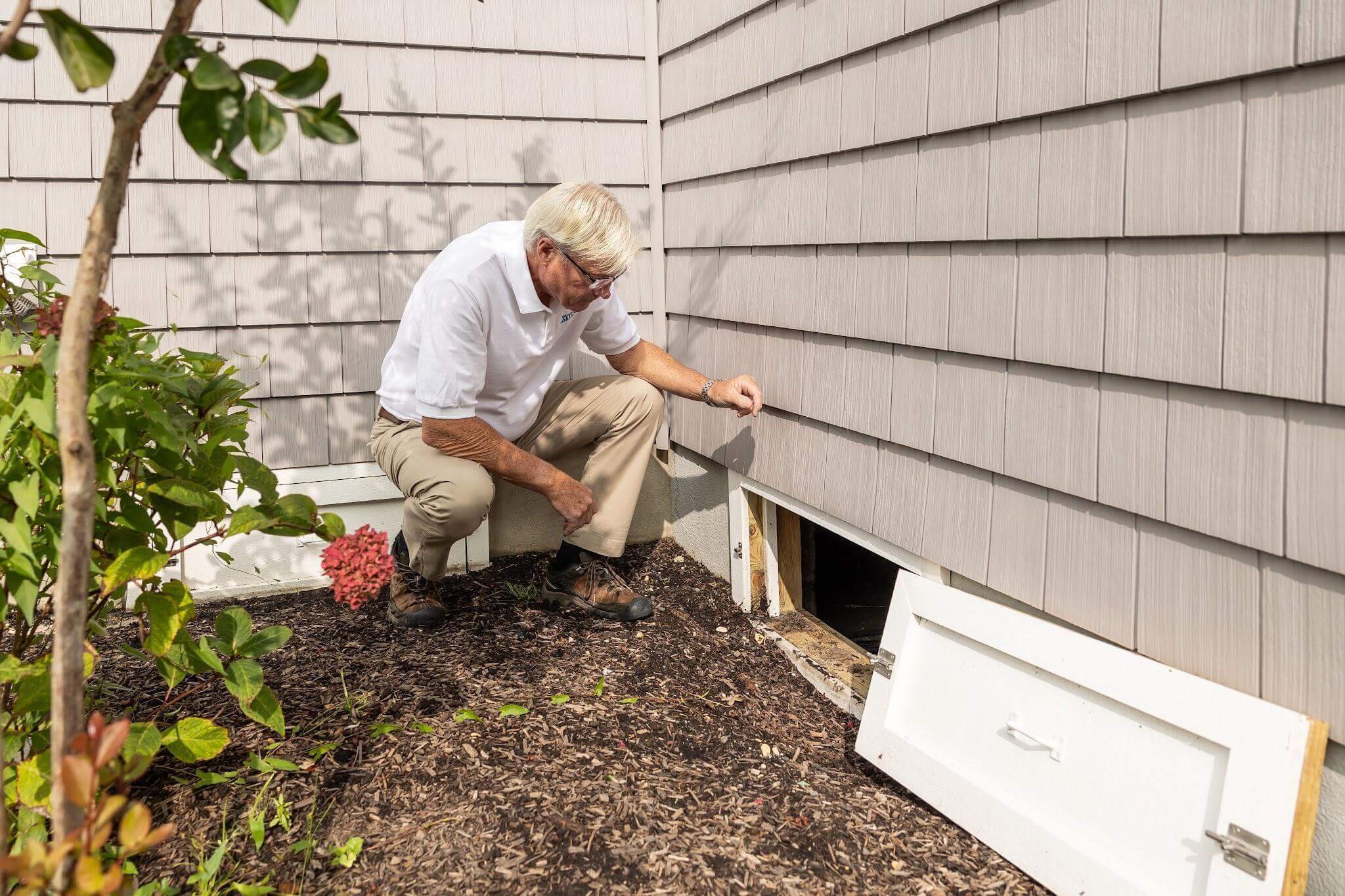
Choosing The Best Selling Strategy
Every homeowner balances a unique combination of financial return, personal timeline needs, and stress tolerance. Selecting the right path requires an honest evaluation of your current cash reserves and long-term goals.
Key considerations when selecting your home sale method include:
- Total estimated repair costs compared against projected post-renovation property value.
- Monthly holding costs accumulated while waiting for contractors to finish physical work.
- Immediate need for liquid funds without managing ongoing property maintenance liabilities.
Evaluating all major property defects early gives you complete clarity during real estate negotiations. Selecting a strategy aligned with your priorities leads to a predictable and successful property sale.
Deciding between fixing major defects or selling as-is comes down to balancing cash, time, and personal comfort. Homeowners who analyze their financial limits clearly navigate real estate decisions with complete confidence. Moving forward without completing repairs often saves months of unnecessary construction stress.
Reviewing your target moving dates and liquid funds directs you toward the most practical route. Choosing a strategy aligned with your needs protects your wallet from unpredictable contractor bills. Taking charge of your selling plan guarantees a smoother transition to your next home.