You own a moisture meter, an outlet tester and a good flashlight. You probably own an inspection camera too. Most DIYers use those tools one project at a time. Used together on a single walk-through, they can help you decide whether to repair or sell as-is.

Photo by Todd Quackenbush on Unsplash
For homeowners in coastal areas such as Hampton Roads, Virginia, humid conditions, crawl space moisture, and salt air can contribute to deterioration over time. While these issues aren’t unique to Virginia, they can make repairs particularly challenging for homeowners in the region. When inspection results reveal extensive problems, some may consider selling rather than investing in costly repairs. I
n Virginia, homeowners exploring this option might search for the best house buyers Virginia has to offer, including local companies such as 757 Property Solutions in Virginia Beach, which purchases homes for cash in various conditions.
Selling as-is means you sell the house in its current condition and skip the repairs. Buyers can still inspect it. They can then ask for a lower price, ask for a credit or walk away, so as-is does not mean the first offer is final.
What Can Your Tool Bag Tell You About the House?
Give yourself one Saturday morning and a notepad. Work from the ground up and write down every reading:
- Moisture meter in the crawl space: high readings on joists and sill plates point to rot, mold or a vapor barrier problem.
- Screwdriver probe on soft spots: wood that gives under light pressure near doors or sills often means rot or insect damage.
- Outlet tester in every room: open grounds and reversed polarity hint at older or amateur wiring.
- Inspection camera in the drains: roots, sags and corroded cast iron show up fast on screen.
- Laser level across the floors: a slope you can measure is worth tracking before you blame the flooring.
Pay attention to cracks as well. Charles & Hudson has a useful guide to telling whether a crack is cosmetic or structural. That one judgment can swing your whole budget.
Why Do Coastal Virginia Homes Wear Out Differently?
Moisture is the common thread. Summer humidity soaks crawl spaces, and poor drainage keeps them wet. Salt air chews through exterior fasteners, HVAC coils and metal railings faster than it would inland.
The ground matters too. Virginia’s official disclosure form lists marine clays as a topic buyers should research themselves. These soils can shift as they wet and dry, which stresses slabs and piers.
Age adds another layer. Many homes near the bases and older neighborhoods have decades of patch jobs. Charles & Hudson’s look at hidden plumbing materials in older homes is worth a read here. An old supply line can turn a bathroom refresh into a repipe.
Which Repairs Pay You Back Before a Sale?
Small, visible fixes tend to earn their cost back because buyers notice them. These suit a confident DIYer with basic tools:
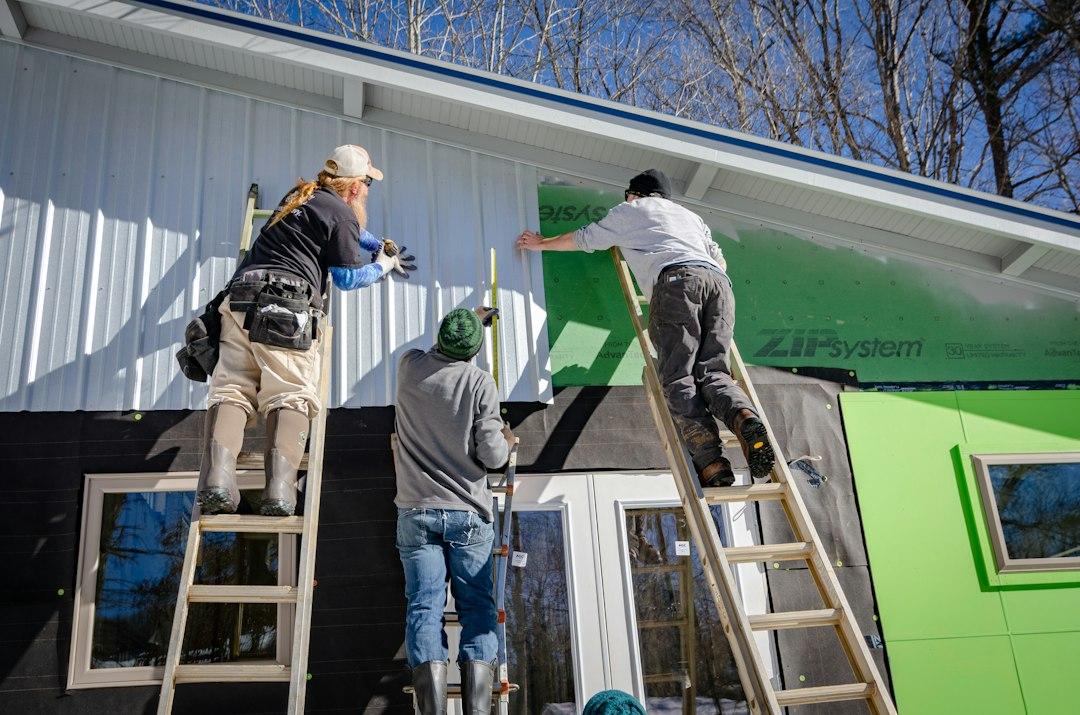
Photo by Jens Behrmann on Unsplash
- Paint: fresh neutral color on walls and trim.
- Caulk: new beads around tubs, sinks and exterior windows.
- Hardware: new cabinet pulls and light fixtures.
- Gutters: cleaned, with downspouts aimed away from the foundation.
- Small fixes: drips, running toilets and sticky doors.
None of these hide a defect, and none should. Their job is to show a buyer that the house was cared for.
Which Jobs Should a DIYer Leave to a Pro?
Some work is a code question, not a skill question. Virginia runs one building code for the whole state, the Uniform Statewide Building Code. Under the current Virginia building codes, the 2021 I-codes and the 2020 National Electrical Code took effect on January 18, 2024.
Your local building department enforces those rules. Panel swaps, structural repairs, new circuits and major plumbing usually need permits and inspections. Refrigerant work on a heat pump needs a certified technician. A crawl space with standing water needs a drainage plan, not a dehumidifier alone.
If a job needs a permit you cannot pull or a trade you do not have, price it with a contractor. That number is the real input to your decision.
When Should You Stop Repairing and Sell As-Is?
No formula fits every house. A few signals, though, should make any DIYer stop and run the math:
- The repair total is close to what the work would add to the sale price.
- Your readings point to structural movement or ongoing water intrusion.
- A code violation is already open on the property.
- You are out of weekends, money or patience.
- The house is inherited, vacant or far from where you live.
Two or more of these usually mean the house is a project for someone else. That is not a failure. It is a sound use of your time.
There is also a middle path. If your readings turn up one or two deal-breakers, fix only those and sell the rest as-is. Or offer a closing credit and let the buyer handle the work. Get a contractor bid first so the credit matches the real cost.
What Does Virginia Expect From an As-Is Seller?
Virginia leans toward buyer due diligence. Under the Residential Property Disclosure Act, the owner makes no representations about the property’s condition. Buyers are advised to do their own inspections before settlement.
That does not mean anything goes. The same page lists situations where a seller must disclose in writing, such as pending building code violations. Ask a Virginia real estate attorney if you are unsure what applies. This article is general information, not legal or financial advice.
Repair or Sell As-Is: How Does a Cash Sale Compare?
Run both paths on paper. For the repair path, add materials, contractor bids, permit fees and months of carrying costs. Then subtract that from a realistic listing price, minus commission.
Expect the as-is route to cost you something at the closing table. Offers tend to come in lower, and fewer buyers will bid on a house with open problems. Some buyer loans also have minimum condition standards that can rule out a house with major defects. Cash buyers skip that hurdle, usually at a steeper discount.
For the as-is path, 757 Property Solutions says you can skip the repairs, realtor fees and lengthy inspections. It does not ask you to clean or stage the house. The firm says it aims to make a fair cash offer in 24 hours or less. It can close in as little as seven days.
Compare what you keep under each plan. A higher sale price can still leave less money once every bill is paid.
Hanging Up the Tool Belt On Your Terms
Your tools are good at more than repairs. They are honest witnesses to a house’s condition. Whether you repair or sell as-is, let the readings, the contractor bids and the calendar make the call, and either path can be a smart one.
Frequently Asked Questions
What Moisture Reading Is Too High In a Crawl Space?
It depends on the meter and the wood species, so check your manual. Readings that stay high after a dry spell suggest an ongoing problem. Ask a crawl space pro to confirm before you budget.
Do I Have to Fix Code Problems Before Selling As-Is?
Not always, but some must be disclosed in writing. Virginia’s disclosure rules cover pending code violations. Talk to a real estate attorney about your situation.
Can I Sell a Hampton Roads House With Foundation Issues?
Yes. 757 Property Solutions says it buys homes in any condition, including those needing major repairs. A traditional buyer’s lender may be less flexible.
Which Pre-Sale DIY Projects Are Worth the Effort?
Paint, caulk, hardware, light fixtures and gutter cleaning usually give the best return. They are cheap, quick and easy for buyers to notice. Skip anything that needs a permit you cannot pull.