Older homes carry a level of character and craftsmanship that many homeowners find difficult to resist. Original hardwood floors, detailed trim work, vintage tile, and solid construction can make older properties feel far more unique than modern builds. But behind those charming walls, many homes still contain aging plumbing materials that can create serious problems during remodelling projects.
Homeowners often focus on finishes, layouts, and fixtures during renovations while overlooking the condition of the plumbing system hidden underneath. Unfortunately, outdated pipes and drainage materials can quickly turn a straightforward remodel into a much larger and more expensive project.
Understanding the hidden plumbing materials commonly found in older homes can help homeowners avoid water damage, code issues, and costly surprises once demolition begins.
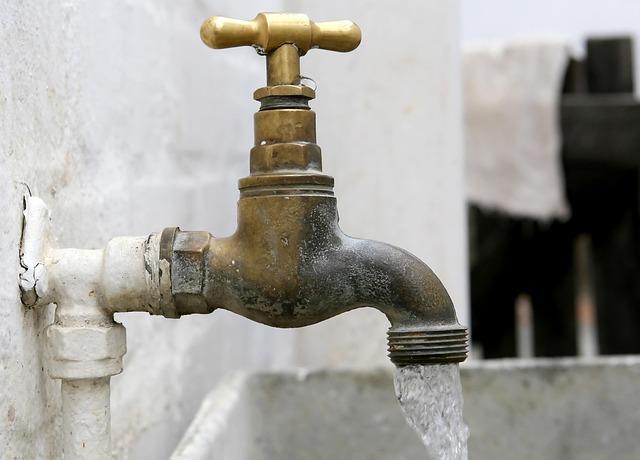
Galvanized Steel Pipes and Restricted Water Flow
Galvanized steel pipes were widely used in residential plumbing systems for decades. While these pipes were once considered durable, time has revealed several long-term problems associated with them.
As galvanized pipes age, corrosion gradually forms inside the pipe walls. Over the years, mineral buildup and rust reduce the pipe’s interior diameter, restricting water flow throughout the home. Many homeowners notice symptoms such as inconsistent water pressure, discoloured water, or slow fixture performance without realizing the plumbing system itself may be deteriorating.
During renovations, opening walls often exposes sections of galvanized piping that have significantly weakened over time. Even if the visible exterior appears acceptable, the inside of the pipe may already be heavily corroded.
This is one reason many homeowners work with a renovation plumbing contractor before redesigning kitchens, bathrooms, or laundry rooms. Identifying aging pipe systems early can help avoid leaks and emergency repairs later in the project.
Polybutylene Pipes and Unexpected Failures
Polybutylene pipes became popular in residential construction because they were affordable and easy to install. However, these pipes eventually developed a reputation for sudden failures and cracking.
Over time, exposure to chlorine and oxidants in municipal water supplies weakens the material from the inside out. Unlike some plumbing problems that show visible warning signs, polybutylene pipes may fail without much notice.
Homeowners renovating older bathrooms or upgrading plumbing fixtures often discover these gray or blue flexible pipes hidden behind walls or ceilings. Once exposed, many choose to replace the system entirely rather than risk future water damage.
Replacing outdated materials during renovations is usually far less disruptive than dealing with a major leak after the walls have already been closed and finished.
Cast Iron Drain Pipes and Hidden Deterioration
Cast iron drain systems are common in older homes and were once valued for their durability and sound-dampening properties. While cast iron can last for many decades, age eventually takes a toll.
Moisture exposure causes the interior walls of cast iron pipes to corrode slowly over time. As rust buildup accumulates, drainage problems can develop throughout the home. Some homeowners notice recurring drain clogs, sewer odours, or slow drainage before realizing the drain system itself may be failing.
One of the biggest concerns during renovations is that cast iron pipes can appear solid externally while hiding severe interior deterioration. Demolition work, fixture upgrades, or shifting plumbing layouts can place stress on weakened sections of pipe and trigger leaks.
For this reason, experienced contractors often recommend camera inspections before major remodelling work begins in older properties.
Lead Solder and Older Water Supply Lines
Many older plumbing systems contain lead-based solder or older service materials that no longer meet modern safety standards. Although these systems may still function, renovations provide an opportunity to replace potentially hazardous materials before they create health concerns.
Disturbing older plumbing during demolition can expose hidden connections and outdated materials that homeowners were previously unaware of. Once walls are opened, many homeowners choose to modernize the plumbing system entirely to improve water quality and long-term reliability.
Even homes that appear well-maintained cosmetically may still contain outdated plumbing infrastructure beneath floors and behind walls.
Orangeburg Sewer Pipes and Structural Collapse
One of the lesser-known materials still found in some older homes is Orangeburg pipe. Unlike modern PVC or cast iron systems, Orangeburg pipes were made from layers of wood pulp and pitch.
Initially marketed as a lightweight and affordable sewer solution, these pipes deteriorate significantly with age. Soil pressure, moisture exposure, and root intrusion often cause the pipe walls to deform or collapse entirely.
Many homeowners only discover these aging sewer lines after recurring backups or drainage failures begin affecting the property. Renovation projects that involve basement finishing, bathroom additions, or landscaping work frequently uncover these outdated sewer systems.
Replacing aging sewer infrastructure before completing a renovation can help prevent expensive excavation work later.
Why Renovations Often Reveal Plumbing Problems
Many plumbing systems in older homes continue functioning just well enough to avoid immediate attention. However, renovation projects place additional demands on the system that expose underlying weaknesses.
New fixtures, layout changes, increased water usage, and demolition work all place stress on existing pipes and drains. What worked decades ago may no longer support modern plumbing demands efficiently.
For example, installing a large rainfall showerhead, adding double vanities, or relocating plumbing fixtures may require updated pipe sizing, venting adjustments, or drainage modifications. Older systems often were not designed for modern fixture loads or current building standards.
This is why plumbing evaluations are an essential part of any major remodelling project.
The Cost of Ignoring Hidden Plumbing Materials
Many homeowners attempt to avoid plumbing upgrades to reduce renovation costs. Unfortunately, hidden plumbing problems rarely become cheaper over time.
Failing pipes can lead to:
- water damage behind walls
- mold growth
- structural deterioration
- sewage backups
- flooring damage
- emergency repair expenses
In some cases, homeowners complete expensive cosmetic renovations only to reopen walls months later because the underlying plumbing system begins failing.
Addressing aging materials during renovations may increase the upfront project cost slightly, but it often prevents much larger expenses in the future.
Planning Ahead During Renovations
Older homes can absolutely be modernized successfully, but careful planning matters. Before beginning demolition or fixture upgrades, homeowners should understand the condition of the plumbing system already in place.
Working with a renovation plumbing contractor can help identify outdated materials, drainage concerns, and infrastructure limitations before they delay the project. Early inspections also allow homeowners to budget more accurately and avoid unexpected complications once renovations are underway.
Modern finishes and upgraded fixtures may improve the appearance of a home, but the plumbing system behind the walls ultimately determines how reliable that home will remain for years to come.
Renovations provide a valuable opportunity not only to improve aesthetics, but also to replace aging plumbing materials that may otherwise continue causing hidden problems beneath the surface.