Running a busy professional workshop teaches you one thing fast. Efficiency matters. When tools, materials, and people are all moving at once, even small delays can slow everything down.
The good news is you do not need a commercial shop to apply those lessons. Many of the same strategies used in high-traffic workshops can make a simple home workshop more organized, safer, and easier to use.
If your garage or workspace feels cluttered or hard to manage, a few smart changes can make a big difference. The ideas below show how to borrow proven systems from high-output shops and use them to improve your own setup at home.
Here are a few key areas where these improvements can have the biggest impact.

1 Optimize the Physical Space for Maximum Throughput
Your workshop doors open at 8 a.m., and everything starts moving at once. The last thing you want is a traffic jam in the aisle or someone tripping over a misplaced cart.
Optimizing your layout is the foundation of an efficient workspace. The goal is to move people, tools, and materials quickly without slowing things down or creating safety risks. These same principles apply in a home workshop, especially when space is limited.
Start by reviewing your floor plan. Look at how you move through your space during projects. Identify tight areas where movement feels restricted and clear those spots. Even small changes can improve flow in a garage or basement setup.
In the U.S., workshop layouts must stay compliant with fire codes and Americans with Disabilities Act (ADA) accessibility rules. So, make sure the venue has clear 36-inch pathways and well-marked emergency exits.
Keep pathways open and safe. Make sure exits are easy to access and avoid stacking items where you walk or work. Try organizing your space into simple zones for storage, active work, and cleanup.
Place frequently used tools within easy reach so you are not constantly stopping to search. Use flexible furniture like rolling carts or foldable tables so your setup can adapt to different projects.
2 Implement Frictionless Security Screening at Venue Entrance Points
High-traffic workshops deal with valuable tools, expensive materials, and sometimes sensitive projects. Security plays an important role, but it should not slow everything down.
In larger operations, newer systems are designed to keep people moving while still maintaining safety. OPENGATE AWDS (advanced weapons detection system) has been gaining traction recently. These types of systems allow for continuous flow without the need for constant stopping or manual checks.
In a home workshop, this idea translates into safe and controlled access without adding friction to your workflow. You may not need advanced screening systems, but you still need to manage how tools and materials are stored and used.
Keep sharp tools, power equipment, and supplies stored safely when not in use. This is especially important if kids or guests are around. Limiting easy access helps prevent accidents without getting in your way.
You can also apply the idea of smooth entry and exit flow. Keep doorways clear and avoid piling items near entrances. Build simple habits like returning tools after use and keeping your space tidy.
Small steps like locking cabinets, labeling storage, and maintaining a clean entry point help create a safer and more efficient workspace.
3 Modernize Inventory Control to Prevent Costly Bottlenecks
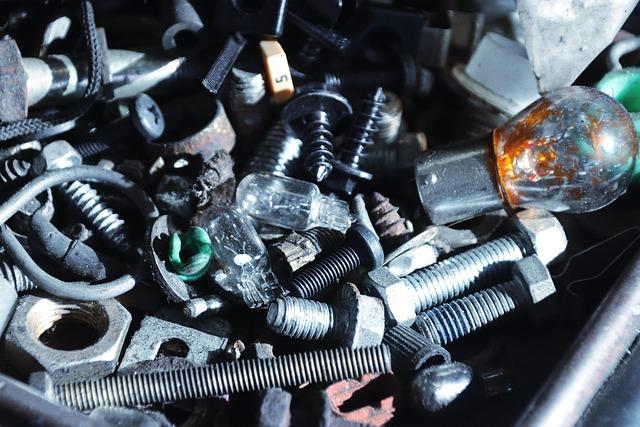
Nothing slows down a project faster than running out of materials or losing track of tools. In larger workshops, outdated systems often cause delays. At home, this usually shows up as wasted time searching for items you know you have.
In professional shops, many teams switch to real-time digital systems that track everything automatically. Radio Frequency Identification (RFID) tags or barcode scanners on tools and supplies let you know instantly what is in use, what is low, and what needs reordering.
At home, you can take a simpler approach while using the same idea. Start with labeled bins, shelves, and clear storage zones so everything has a place.
If you want to go further, basic barcode apps or digital lists can help track supplies. This is especially useful if you work on multiple projects or keep a variety of materials on hand.
Keep commonly used items stocked and easy to reach. Store less-used materials out of the way. When everything is organized, you spend more time working and less time searching.
Efficiency is Your Workshop’s Greatest Asset
You do not need a large or busy shop to benefit from these ideas. The same systems that keep high-traffic workshops running smoothly can make a big difference in a home workshop or garage workspace.
Start with small changes. Clear your layout, improve how you organize tools, and make sure everything has a place. Pay attention to how you move through your space and where things slow you down.
Over time, these adjustments add up. A more organized DIY workspace helps you work faster, stay safer, and enjoy your projects more. The goal is simple. Build a workshop setup that works with you, not against you.