Modern workshops have changed a lot in the past decade. If you have ever lost track of a part in the middle of a build, you know how quickly a project can slow down. Time gets wasted, mistakes happen, and simple jobs become frustrating.
It is no longer just about getting projects done quickly. Today, accuracy, organization, and accountability matter just as much.
Whether you are working in a small garage shop or a larger fabrication space, keeping track of parts, tools, and builds can quickly get complicated. As projects become more detailed, the need to label and identify components clearly has become part of the process.
This is where permanent marking comes in. What used to be optional is now becoming a standard step in many workshops. From labeling custom parts to adding serial numbers or branding, permanent marking helps ensure that important information stays with the item over time.
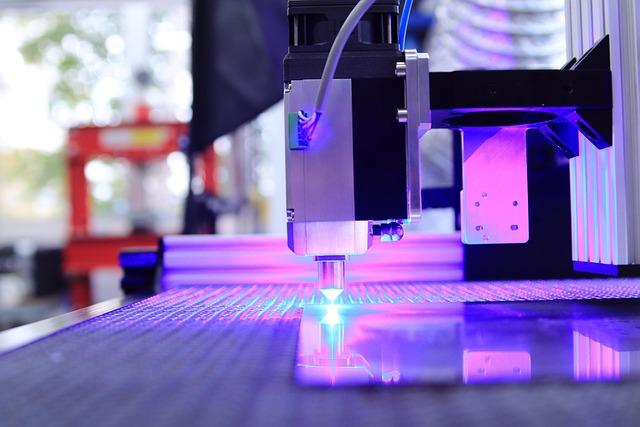
For those using solutions like a laser marking machine, the goal is not just efficiency. It is about creating a cleaner, more reliable workflow from start to finish.
Improving Product Traceability and Identification
Staying organized is one of the biggest challenges in any busy workshop. When you are working on multiple builds or handling repeat projects, it becomes easy to lose track of parts or mix up components.
Think about a custom furniture build or a metal fabrication job with multiple pieces that look similar. Without clear markings, parts can get swapped or installed in the wrong place.
Before permanent marking, many workshops rely on tape, markers, or memory. Labels fall off, ink fades, and parts get harder to identify as the project moves forward.
After permanent marking, each part carries its own information. You can pick it up at any stage and know exactly where it belongs.
Permanent marking helps solve that problem by putting key information directly onto the part. Instead of relying on stickers or tags that can fall off or fade, markings stay in place for the life of the item.
This is especially useful for:
- Custom builds with multiple components
- Replacement parts that need to match exact specs
- Tools and equipment that get shared or moved around
Clear identification also makes it easier to fix problems. If something goes wrong, you can quickly trace the part back to when and how it was made. That saves time and reduces guesswork.
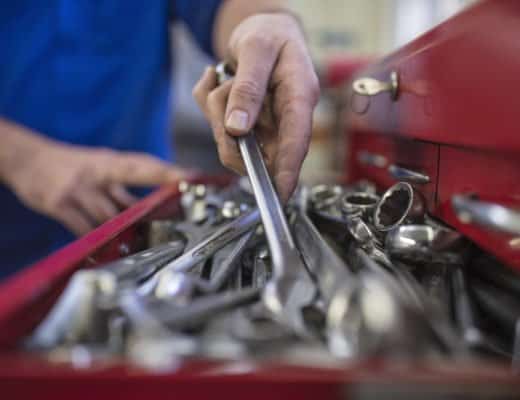
Accurate measurement still plays an important role here. Before adding any marking, parts need to be consistent in size and finish. Tools like a micrometer tool help confirm those details so markings are placed correctly every time.
Placement matters just as much as the marking itself. If a mark is hard to find or read, it loses its value. Combining good measurement with consistent marking ensures every part is easy to identify when it counts.
Laser markers are using a Q-switch to provide a more intense, high-peak power pulse that engraves exceptionally crisp lines into hardened industrial surfaces. This advanced optical technique ensures that vital tracking barcodes and serial numbers remain perfectly legible even under harsh environmental conditions
Why Marking Technology Is Becoming a Standard in Workshops
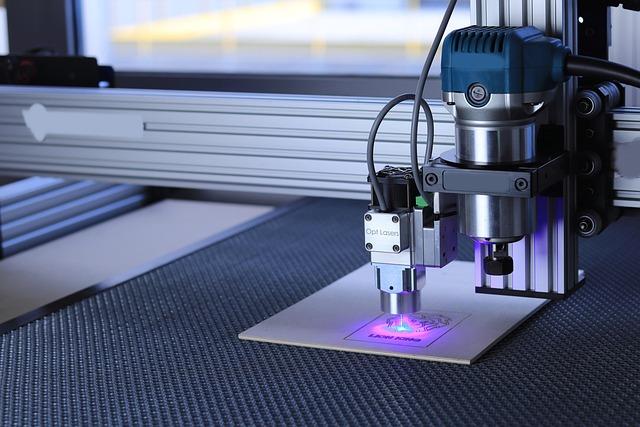
As workshops take on more complex projects, having a reliable way to label and track parts is becoming more important. Permanent marking fits naturally into that process.
One reason is flexibility. Modern marking tools can handle different materials like metal, plastic, and even coated surfaces. That makes it easier to use one system across different types of projects without changing your setup.
Durability is another key benefit. Workshop items often deal with heat, dust, moisture, and heavy use. Permanent markings hold up in these conditions, which means labels stay readable over time.
This becomes especially useful for tool sets and shared equipment. Instead of re-labeling tools or replacing worn tags, markings stay clear even after heavy use.
Measurement tools still play a role in keeping things consistent. Simple tools like calipers help confirm that parts are ready for marking and that everything lines up as expected. This step helps avoid mistakes and keeps the final result clean and professional.
Another advantage is workflow. When marking becomes part of your regular process, you spend less time managing labels or tracking parts manually. Everything is built into the job from the start.
Permanent marking also supports more advanced setups. As more workshops move toward digital tracking or organized build logs, having a clear way to connect physical parts to records becomes more useful. A simple mark can link a part to its specs, build date, or design file.
Conclusion
Permanent marking is quickly becoming a standard part of modern workshop practice. It helps keep projects organized, improves accuracy, and makes it easier to manage both simple and complex builds.
By combining reliable marking methods with precise measurement tools, workshops can create processes that are easier to manage and repeat. Every marked part becomes easier to track, use, and maintain over time.
As workshops continue to evolve, small improvements like this make a big difference. Permanent marking is not just about labeling. It is about building a workspace that runs smoother and produces more consistent results.