
Heavy snowfall and wind drive property owners toward impact-resistant shingles and metal materials to ensure structural integrity and long-term home defense.
Winter storms bring harsh weather cycles, relentless ice damming, and crushing snow loads that quickly expose the weaknesses of basic builder-grade roofing. Protecting your property in cold regions means changing your focus toward reinforced deck protection and heavy-duty, impact-resistant materials.
Making this switch secures your structural longevity and keeps your interior warm and dry during the most brutal freezes. You deserve peace of mind when the blizzard warnings flash across your screen. Investing in premium exterior defense mechanisms removes the panic from winter property ownership.
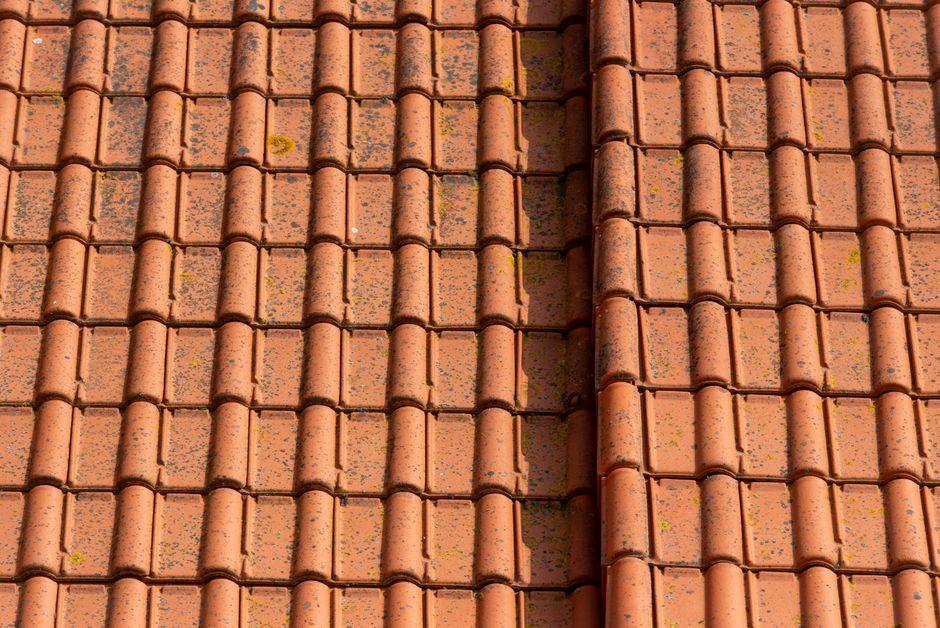
Why Do Winter Storms Wreak Havoc on Standard Roofs?
Cold climates test the limits of residential architecture year after year. Repeated freeze-thaw cycles force materials to expand and contract relentlessly, which loosens standard three-tab shingles and degrades their adhesive seals. Wind-driven snow then pushes moisture under these compromised gaps, rotting the underlying wood decking before you even realize a leak exists.
Upgrading your defensive barrier stops this hidden cycle of decay entirely. Heavy-duty roofing options resist tearing and uplift during intense blizzard conditions, holding firm while lesser roofs fail. Moving past entry-level materials gives your home the resilience needed to survive decades of sub-zero temperatures. You stop reacting to weather damage and start actively deflecting the worst elements nature throws your way.
What Does Thermal Reflection Mean for Your Home?
Metal roofing systems bring a different set of structural advantages to winter weather survival. Metal panels actively reflect solar radiation rather than absorbing the heat into the attic space. This reflective capability regulates the temperature of the roof surface, which minimizes the rapid melting and freezing cycles that cause structural water damage.
Partnering with qualified regional contractors for localized snow-load installations guarantees these panels perform exactly as designed. Reaching out to professionals like SkyRight Roofing and Gutters provides a solid starting point for exploring metal options tailored to your exact climate zone. Proper installation allows the smooth metal finish to shed heavy snow burdens cleanly before the sheer weight threatens your structural supports. Your home sheds the winter load effortlessly, keeping your framing perfectly intact.
How Does Structural Longevity Compare Between Materials?
Evaluating your options starts by looking at the physical density of the roofing products available today. Architectural shingles feature multiple layers of fiberglass and asphalt, creating a dimensional thickness that outlasts flat, single-layer alternatives. This extra bulk acts as a massive shock absorber against pounding hail and falling tree limbs.
Industry standards measure this durability through rigorous physical testing protocols. The Asphalt Roofing Manufacturers Association notes that building materials receive one of four classification ratings, and products achieving a Class 4 rating provide the maximum possible defense against physical impacts. Choosing these top-tier shingles guarantees your roof can withstand localized snow-load stresses and severe storm debris. You gain decades of reliable performance by selecting materials designed for high-stress environments.
What Causes Destructive Ice Dams on Your Eaves?
Snow accumulating on your roof acts as a thick, heavy blanket of thermal insulation. Heat escaping from your living space warms the highest points of the roof deck, melting the bottom layer of snow directly against the shingles. This liquid water trickles down the slope until it reaches the unheated eaves, where the freezing outside air turns it solid again.
Experts at the University of Minnesota Extension explain that this process creates a solid barrier of ice right at the roof’s edge, which blocks subsequent meltwater from draining away properly. This trapped water forms a pooling reservoir behind the blockage, seeping under the shingles to wreck your interior ceilings and wall insulation. Stopping this destructive chain reaction requires a multi-layered approach to exterior design and climate management. You must control the temperatures across every square inch of your roofing structure.
Why Are Integrated Gutter Systems Non-Negotiable?
Moving melting water away from your vulnerable foundation requires an integrated gutter system. Standard gutters clog with autumn debris, providing a perfect foundation for winter ice to anchor and expand uncontrollably.
Upgrading to oversized, seamless troughs gives the heavy winter runoff a clear, unobstructed path away from your vulnerable siding. Managing this heavy flow actively protects your exterior walls from creeping frost damage and structural erosion.
- Clear seasonal blockages: Removing pine needles and dead leaves before the first hard freeze stops localized pooling and prevents massive ice blocks from forming.
- Install heating cables: Running specialized radiant wires through the downspouts melts residual frost buildups immediately, keeping the exit channels completely open.
- Adjust mounting angles: Pitching the horizontal gutters slightly downward forces heavy slush to exit the system rapidly rather than sitting stagnant.
- Reinforce bracket hardware: Spacing heavy-duty metal hangers closer together prevents the aluminum channels from sagging under extreme ice weight.
How Do You Vet Qualified Regional Roofers?
Choosing the right structural materials solves only half the architectural equation. The technical skill of your installation crew determines whether those premium materials perform under extreme atmospheric pressure.
Evaluating Manufacturer Warranties
Premium architectural shingles and standing-seam metal panels come with extensive financial guarantees, often spanning decades of reliable coverage. Manufacturers void these warranties instantly if the installation crew cuts corners or ignores official application guidelines. Protecting your investment requires matching the product quality with exceptional craftsmanship.
You must demand written proof that your chosen contractor holds active factory certification from the brand of materials you select. Factory-certified installers understand the exact nailing patterns and overlapping flashing techniques required to keep your warranty fully intact and legally binding.
What Crew Safety Certifications Should You Verify?
Winter roofing projects carry physical risks for the workers navigating steep, icy pitches. Protecting your personal assets from liability means thoroughly checking a contractor’s safety credentials before signing any binding contracts. A highly professional roofing operation will gladly supply documented proof of their safety protocols and maximum insurance limits.
- Request insurance certificates: Direct confirmation from their insurance provider proves they carry adequate workers’ compensation and comprehensive general liability coverage.
- Check safety records: Public safety databases reveal whether the roofing company has a documented history of workplace accidents or state negligence fines.
- Verify local licensing: State or county registration boards confirm the business operates legally within your exact jurisdiction and follows current building codes.
- Review fall protection: Outlining their exact harness requirements and heavy scaffolding procedures shows they take physical crew safety seriously.
Navigating the complex world of exterior structural upgrades demands an objective decision-making rubric for weatherproofing your property. Weighing the structural longevity of architectural shingles against the thermal efficiency of metal panels allows you to tailor your defense strategy to your exact local climate.
Securing proper attic ventilation and installing robust gutters will actively stop seasonal freeze damage long before it breaches your interior walls. Hiring fully certified regional professionals guarantees your financial investment withstands the harshest blizzards, keeping your home safe, dry, and resilient for decades.
