Most windows show signs of wear long before they stop working altogether. You might notice a draft around the frame, condensation that won’t wipe away or a window that has become harder to open and close. These problems are easy to overlook during mild weather, but they can become much more noticeable once temperatures drop.
Checking your windows before winter gives you time to figure out whether you’re dealing with a small repair or a window that needs replacing. It also means you can address drafts and other problems before you start relying on your heating system every day.
Here are some of the most common signs that an older window may be reaching the end of its useful life.
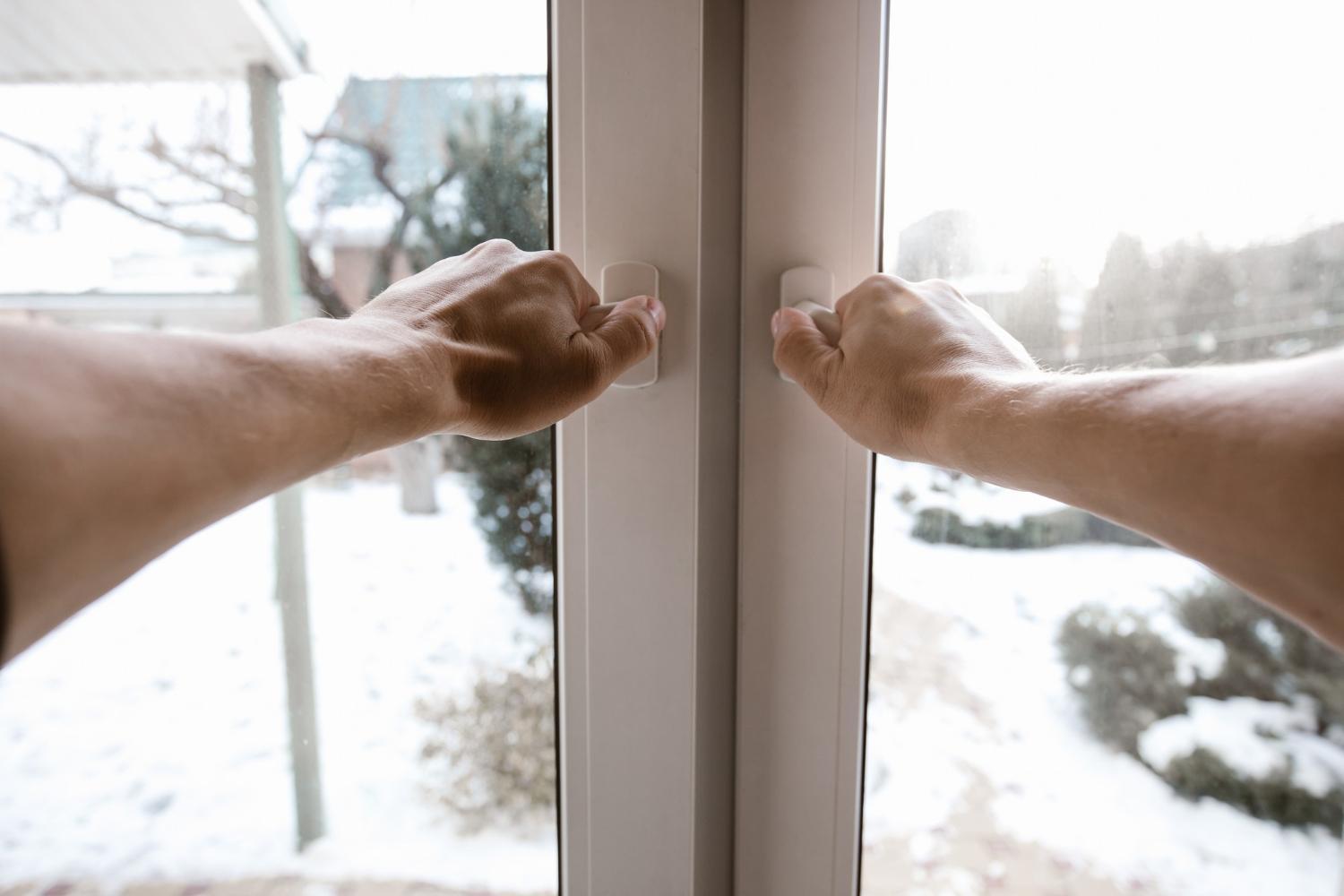
Image by maximkostenko on Magnific
Working with a window replacement specialist
Choosing the right replacement window involves more than picking a style. Frame material, glass, energy ratings and installation quality all affect how well a window performs. Climate matters too, so the right specifications can look different in Southern California than they do in colder parts of the country.
Looking at installers in other climates can be useful when comparing those priorities. KobyCo Window, for example, serves northern Illinois and southern Wisconsin, where windows have to perform through cold winters and changing seasonal temperatures. Wherever you live, comparing materials, energy ratings and installation methods can help you choose windows that make sense for your home and local climate.
Condensation between the panes
Double and triple-pane windows are sealed units that may contain argon or krypton gas for added insulation. When a seal fails, moisture can get between the panes and create fogging or condensation that won’t wipe away from either side of the glass.
Once the seal has failed, the window loses some of its insulating ability, and the fogging may get worse over time. The US Department of Energy notes that heat gain and loss through windows account for a significant share of residential heating and cooling energy use. That makes the condition and efficiency of your windows worth paying attention to, especially before winter.
Draughts around the frame
You don’t need special equipment to check a window for drafts. On a cold day, slowly move your hand around the frame and sash and feel for moving air. If you notice a draft, worn weatherstripping or a gap around the frame may be responsible.
Weatherstripping can often be replaced without replacing the entire window. If the frame has warped, shifted or separated from the opening, however, a simple repair may not solve the problem.
Difficulty operating the window
A window that suddenly becomes difficult to open or close deserves a closer look. Wood frames can swell or warp as moisture and temperatures change. Vinyl is less prone to these problems, but it can still change shape or become harder to operate over time.
Pay attention to the latch as well. If the window no longer closes tightly enough for the latch to engage, outside air may be getting through the gap. A window that won’t latch securely can also become a security concern.
Visible frame damage
Soft areas in a wood frame can be a sign of rot, especially if the window has been exposed to moisture for a long time. Left untreated, that moisture can eventually reach materials around the window and turn a relatively small repair into a larger job.
Vinyl frames can develop problems too. Look for cracks around the corners and other areas that receive regular stress. Damage that continues to spread may be a sign that the frame is reaching the point where replacement makes more sense than another repair.
Cold surfaces and radiant heat loss
Sometimes you can feel an inefficient window before you notice anything visibly wrong with it. On a cold day, older glass may feel noticeably colder than the walls and other surfaces around it. Sitting or standing near the window can make the room feel colder as a result.
Modern low-E windows are designed to limit heat transfer through the glass. Replacing an older single-pane window with a more efficient unit can make the area around the window more comfortable during cold weather while also reducing heat loss.
Timing the replacement
If you want new windows in place before winter, don’t wait until the first cold spell to start planning. Custom and semi-custom windows can take time to order, and installation is generally easier before temperatures fall too far.
Early to mid-autumn can be a practical time to schedule the work. It gives you time to order the windows, deal with any unexpected problems around the openings and have everything sealed before you’re relying on the heating system every day.
Don’t Wait for a Window to Fail Completely
A window doesn’t have to be broken to cause problems. Persistent drafts, condensation between the panes, damaged frames and windows that no longer open or latch properly are all worth checking before colder weather arrives.
Some problems may only require new weatherstripping or another small repair. Others can point to a failed seal, damaged frame or aging window that makes replacement the better long-term option. Checking early gives you time to compare your options and schedule any work before winter weather makes the problem harder to ignore.