Energy efficient window replacement lowers your bills by stopping the steady heat loss and unwanted heat gain that old windows often allow through weak glass, tired seals, shifted frames, and poorly insulated openings. Around a working house, that loss shows up before the utility bill arrives.
One room cools down faster after the furnace shuts off. It is cold on the outside edge that touches the wall close to the garage. It may still be worth the time to remedy this minor issue, especially if you have a sturdy frame and just a deteriorated stripping or caulk to worry about. The picture gets complicated if your window frosts up in-between panes or you have a squishy sill.
That is when professional window replacement becomes a practical home improvement decision, not a cosmetic upgrade. Buildmart’s Ottawa service fits this kind of project because cold winters, wet shoulder seasons, and hot summer weeks put real pressure on the whole window opening.
A new unit only lowers bills when the glass, frame, spacer, insulation, flashing, trim, and sealant work together. From a DIY point of view, this is the same logic used with tools or trucks: the strongest single part does not help much if the whole system is poorly matched. The savings come from reducing repeated energy waste, not from buying a window that only looks newer.
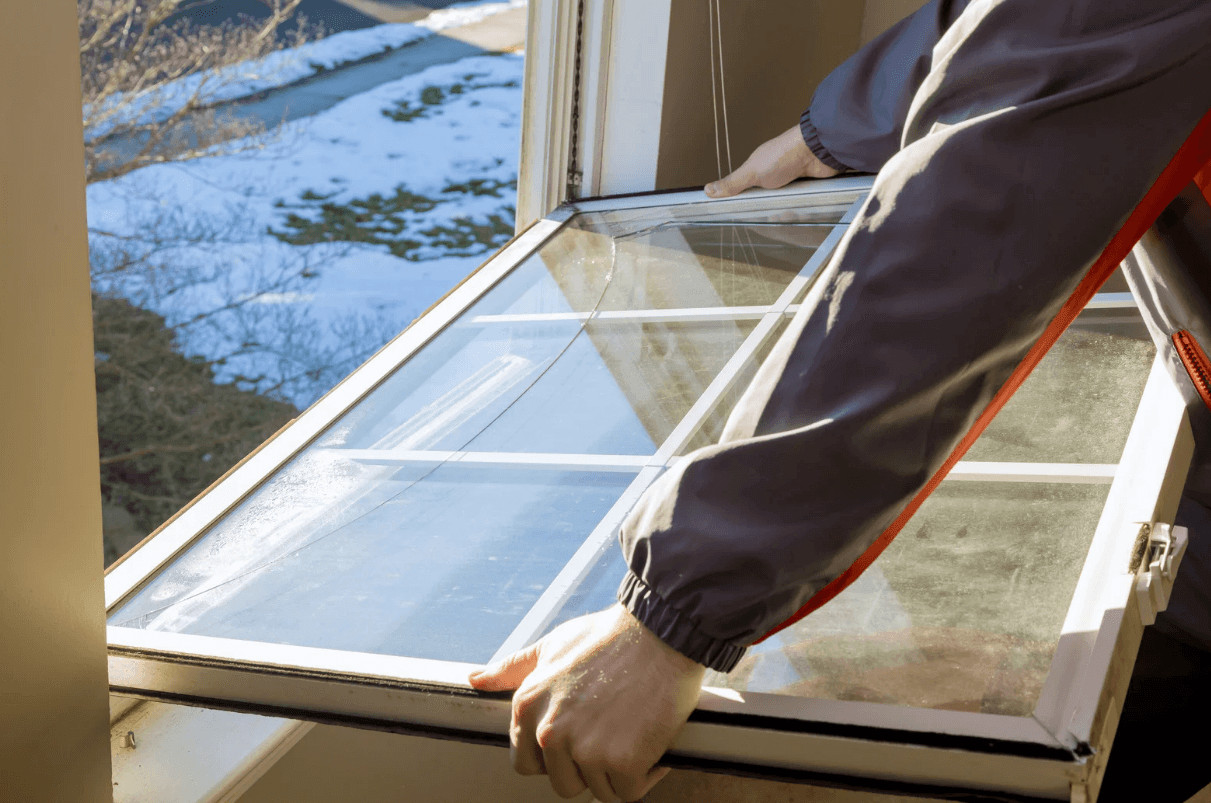
How Energy Efficient Window Replacement Cuts Heating Waste
Heating costs climb when the house keeps losing the warmth the system just produced. Old glass can feel cold enough to pull comfort out of a room, but the hidden gaps around the frame can be just as wasteful. That is why an energy efficient upgrade should never be judged by the glass alone – the window, frame, rough opening, insulation, and installation method all influence the result.
The owner need not employ any technical apparatus for this purpose. All that is needed to find out a great deal about the home during a leisurely walk around it are a smoke pen, flashlight, bubble level, hygrometer, and an infrared thermometer.
- Run a hand around the sash while the window is locked.
- Watch for smoke movement near the trim and meeting rail.
- Check for fog trapped between glass panes.
- Press the lower sill with a putty knife to find soft spots.
- Compare the glass edge temperature with a nearby interior wall.
- Look outside for cracked sealant, open joints, or water stains.
| What shows up | What it can mean |
| Cold air near trim | Air may be leaking around the rough opening |
| Fog between panes | The insulated glass seal has likely failed |
| Soft sill corners | Moisture has reached the frame or substrate |
| Sash will not lock tight | The frame may be shifted or worn |
Why Cooling Bills Also Change With Better Windows
Old windows do not only waste heat in winter. In summer, weak glazing and loose frames can make one side of the house feel hotter than the rest, especially near a deck, patio, driveway, or open yard where sun and wind hit harder.
That matters for people who use their homes as real working spaces – moving between the garage, tools, truck bed, backyard projects, and outdoor living areas. A room beside a patio door or workshop entrance can become the place where the AC works hardest. Energy efficient window replacement helps when it reduces solar heat gain, improves sealing, and keeps cooled air from slipping through gaps.
The bill impact depends on the house. All these factors affect your savings. Nevertheless, the logic is quite evident. For example, if one room becomes hot soon and maintains its temperature for some time after sunset, something is wrong with the windows rather than the cooling system.
A better glazing package can reduce heat transfer. A tighter frame can stop air leakage. Better installation can close the hidden space behind trim. A well-installed window usually beats a better-looking window installed carelessly, because the wall opening is where many comfort problems begin.
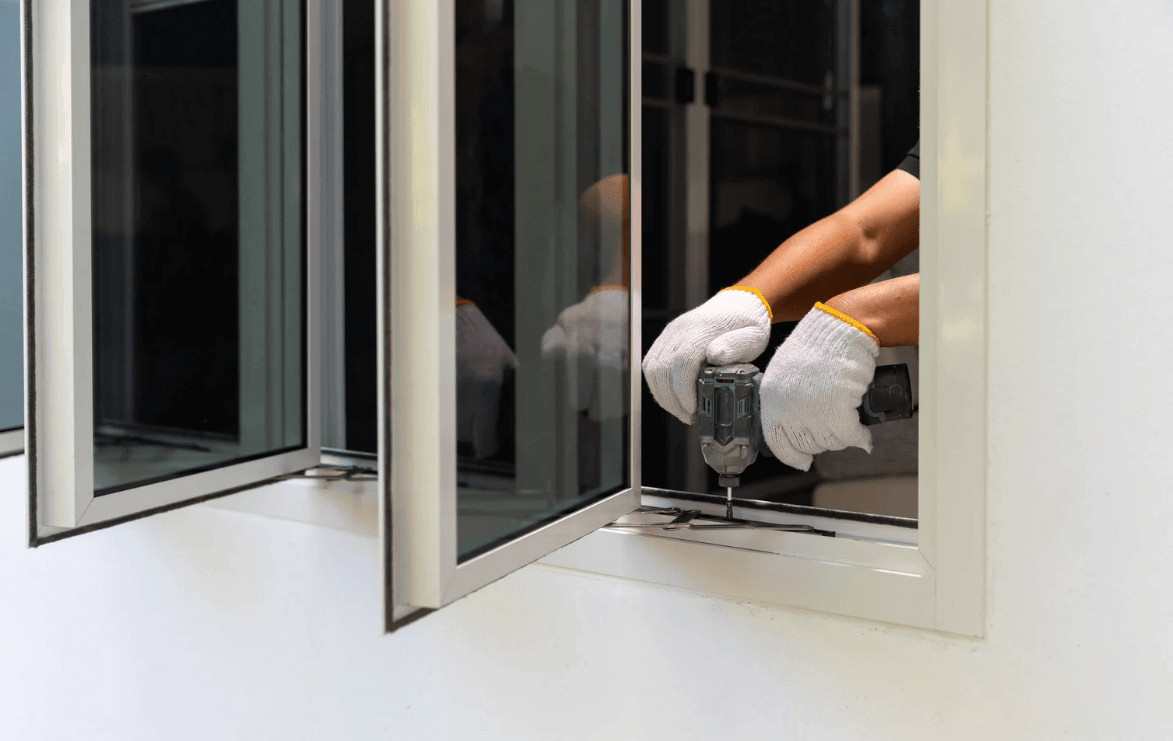
Where Old Windows Quietly Cost Money
Old windows usually waste energy in layers. The obvious issue might be cracked caulk, but the real problem can sit behind the casing. Paint can hide small gaps. Trim can cover stained framing. Heavy curtains can disguise cold glass. That is why any renovation involving window replacement must begin with proof rather than speculation.
A rational homeowner must find recurring trends where the same window gets cold every winter, the same sill gets wet, the same room needs more heating or air conditioning, and the same exterior joint pops open during every thawing season. At that point, the house is giving useful information.
- Drafts remain after weatherstripping has been replaced.
- Fog stays inside the glass unit and cannot be cleaned away.
- Exterior caulk cracks again shortly after repair.
- The lock no longer pulls the sash evenly into the frame.
- One room feels unstable in both winter and summer.
- Trim stains suggest air or moisture movement around the opening.
| Problem | Bill effect | DIY check | Better direction |
| Failed glass seal | Lower insulation value | Flashlight across the pane | Replace glass or full unit |
| Loose sash | Warm or cool air escapes | Smoke test near meeting rail | Adjust, repair, or replace |
| Soft sill | Hidden moisture and air gaps | Press with putty knife | Repair damage before install |
| Poor install gap | Energy loss behind trim | Check cold casing edges | Re-seal or replace correctly |
How Energy Efficient Window Replacement Pays Back
The payback from energy efficient window replacement is not limited to a lower monthly bill. Comfort has value too. A smaller opening could result in fewer cold areas during the winter season and also avoid any hot areas in the summer season.
This would also prevent condensation formation on the glass windows and avoid frequent repairs each year on the same window. Anyone who has pulled trim and found soft framing knows that small leaks rarely stay polite. They spread into repairs that take more time, more material, and more money than a planned replacement would have required.
When comparing quotes, the questions should be practical. What frame material fits the climate? What glazing package makes sense for the room exposure? How will the space between the new window and rough opening be insulated? Will damaged wood be repaired before the new unit goes in? Will exterior flashing and trim be checked?
A contractor that responds well to these questions is more trustworthy than someone who simply emphasizes style and savings. As far as practical home owners go, making the right selection is much like making sure you have suitable equipment for the job: It must be suitable for the task, suited to the environment, and durable enough to survive its first season.
A Tighter Home Is the Real Win
The smartest window decision comes after inspection, not after frustration. If one small draft comes from worn weatherstripping and the frame is sound, fix it and move on. That is a good Saturday repair. If several windows show fogged glass, soft sills, cold trim, poor locking, and rooms that never feel steady, replacement belongs in the budget. A strong DIY mindset does not mean doing every job alone. It means knowing when a repair is clean and when trained installation protects the house better.
Energy-efficient windows will reduce your expenses by minimizing the effort put forth by your HVAC system. The windows will keep your home less responsive to wind, sunshine, rainfall, and sudden drops in temperature. This is important because you live in an actual home and not an empty structure, and you take into consideration such aspects as the garage and outdoor areas. The goal is not to replace windows blindly. The goal is to stop paying month after month for energy that keeps leaking through weak openings.