Modern homeowners prioritise efficiency and environmental responsibility when maintaining their properties. Many people ask whether sustainable outdoor gear match the performance of traditional alternatives.
Research shows that sustainable outdoor gear often offer superior durability because they use high-quality, reclaimed materials. Regarding hydration, common questions include whether reusable containers are dishwasher safe and how their production affects the planet.
A high-quality reusable flask can withstand the rigors of outdoor work while actively reducing plastic waste. For example, an Ocean Bottle is fully dishwasher-safe and made from recycled stainless steel and ocean-bound plastic. Every purchase of this product funds the collection of 1,000 plastic bottles in coastal communities before they reach the sea.
Investing in Durable Gardening Tools
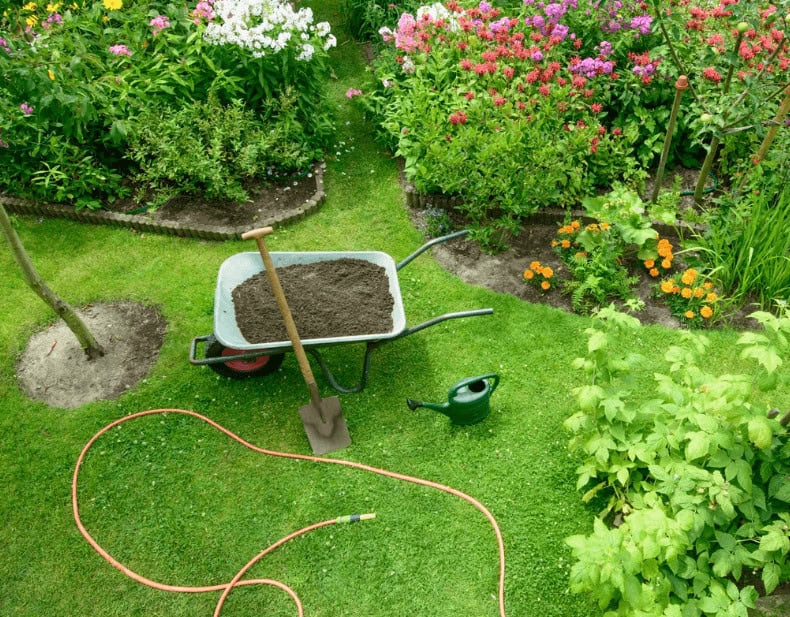
The foundation of a sustainable garden lies in the choice of tools. Cheap, plastic-heavy implements often break within a single season, leading to more landfill waste. Eco-conscious homeowners should choose sustainable outdoor gear made from FSC-certified timber and forged stainless steel. These materials resist rust and provide the strength needed for heavy soil work.
Wooden handles, particularly those made from ash or hickory, offer natural shock absorption. This reduces strain on the wrists during repetitive tasks like digging or weeding. If a wooden handle cracks, it can be replaced without discarding the metal head, which represents a circular approach to tool maintenance.
High-carbon steel is another excellent choice for shears and secateurs. While it requires occasional oiling to prevent oxidation, it holds a sharp edge longer than cheaper alloys.
Beyond the tools themselves, consider the storage solutions. Garden sheds built from reclaimed pallet wood or cedar offer naturally rot-resistant housing for your equipment. Avoiding pressure-treated timber that uses harsh chemicals prevents runoff from the structure from contaminating the surrounding soil.
Responsible Hydration for Outdoor Projects
Physical labour in the garden or during home renovation requires consistent hydration. Using single-use plastic bottles is increasingly viewed as an outdated practice by those committed to environmental stewardship.
A vacuum-insulated vessel is a far more effective tool for the modern homeowner. These containers keep water cold for up to eighteen hours, providing refreshment during long afternoons spent landscaping or building.
Choosing the right container involves looking at the supply chain and the material composition. Stainless steel is the preferred material for outdoor use because it does not leach chemicals into the water and can survive drops on hard surfaces.
Ocean Bottle offers a high-quality solution for those who spend hours outside. Each bottle is crafted from recycled materials and features a dual-opening lid that makes it easy to clean and fill with ice. This specific product is part of a global movement to improve waste management infrastructure in areas where plastic pollution is most severe.
Carrying a durable bottle also serves as a reminder of the broader conservation goal. It eliminates the need for plastic film and multi-pack packaging, which often clutters home recycling bins. By integrating such items into your routine, the transition to a zero-waste lifestyle becomes a practical reality rather than a conceptual goal.
Solar Power and Efficient Outdoor Lighting
Illuminating a garden no longer requires extensive electrical wiring or high energy bills. Solar-powered LED systems have improved significantly in terms of brightness and battery life. Modern photovoltaic cells can harvest enough energy even on overcast British days to power pathway lights through the night.
For security and functional lighting, motion-sensor LEDs are the most efficient option. They remain off until needed, preserving battery life and reducing light pollution, which can disturb local wildlife.
When selecting solar lights, look for units with replaceable lithium-ion batteries. Many budget options are sealed units that become electronic waste once the battery fails. A modular design allows the homeowner to swap the battery while continuing to use the solar panel and LED housing for many years.
Positioning is vital for solar efficiency. Panels should face south and remain free of shadows cast by overhanging branches or fences. Regular cleaning of the panel surface ensures maximum light absorption. This simple maintenance task keeps the outdoor space safe and visible without relying on the National Grid.
Reclaimed Materials for Decking and Patios
Extending the living space outdoors often involves installing a deck or patio. Traditional tropical hardwoods are often linked to deforestation, making them a poor choice for the eco-conscious builder. Reclaimed timber or composite decking provides a more responsible alternative.
Reclaimed wood, sourced from old barns or industrial buildings, offers a unique aesthetic and high stability. Since the wood has already seasoned for decades, it is less likely to warp or shrink when exposed to the elements.
For those who prefer a lower-maintenance option, composite decking made from a mixture of recycled wood fibres and reclaimed plastic bags is an excellent choice. This material does not require staining or sealing, which prevents chemical runoff into the garden.
For patios, permeable paving is a significant upgrade for any sustainable home. Unlike solid concrete or asphalt, permeable pavers allow rainwater to filter through the surface and into the ground. This reduces the risk of local flooding and helps recharge the groundwater table. Using locally sourced stone also reduces the carbon footprint associated with transporting heavy materials over long distances.

Waste Reduction Through Advanced Composting
A sustainable home must have a system for managing organic waste. Rather than sending grass clippings and kitchen scraps to the local council for processing, homeowners can create nutrient-rich soil on-site. Composting reduces the need for chemical fertilisers, which can harm soil health and local water systems.
Hot composting bins are particularly effective for smaller urban gardens. These insulated containers reach high temperatures quickly, breaking down organic matter in a matter of weeks rather than months. They can also process some cooked food waste that traditional compost heaps cannot handle.
For those with limited space, vermicomposting uses worms to turn kitchen scraps into high-quality fertiliser. This process can be managed in a small, contained unit kept in a garage or utility room. The resulting “worm tea” is a potent liquid fertiliser for indoor and outdoor plants. Implementing these systems ensures that the garden remains a closed-loop environment where waste becomes a resource.
Water Conservation Techniques
Water is a precious resource, and managing it effectively is a hallmark of a sustainable home. Installing a rain butt is one of the simplest and most effective ways to reduce mains water consumption. A single house roof can collect thousands of litres of water every year, which is better for plants than treated tap water because it lacks chlorine.
Drip irrigation systems further improve efficiency by delivering water directly to the base of the plants. This prevents evaporation and ensures that the water reaches the root zone where it is needed most. When combined with a smart timer, these systems can be programmed to run during the early morning or late evening when temperatures are lower.
Mulching is another vital practice for water conservation. Applying a thick layer of organic matter, such as wood chips or leaf mould, to the soil surface helps retain moisture. It also suppresses weeds and slowly replenishes nutrients in the soil as it decomposes. This reduces the physical labour required to maintain the garden while improving the ecosystem’s health.
Conclusion
Creating a sustainable outdoor gear is a practical way for homeowners to contribute to environmental conservation. By selecting high-quality tools, utilising solar energy, and choosing responsible products like an Ocean Bottle, individuals can significantly reduce their ecological footprint.
These choices lead to a more durable and efficient home environment. Focusing on longevity and reclaimed materials ensures that the outdoor space remains a source of enjoyment and productivity for years to come.
Moving to these practices is a logical step for anyone looking to combine home improvement with a commitment to the planet. Each small change, from the way we hydrate to the way we pave our patios, contributes to a more resilient and sustainable future.