
Most people packing up a house work through it in a predictable order. Bedrooms, kitchen, living room, then whatever is left. The garage gets pushed to the end because it feels like a problem for later. In coastal households, it is usually the room that takes the longest, costs the most, and creates the most surprises on move day.
The reason is simple. Homes near the water accumulate a category of possessions that does not exist inland in the same volume. Paddleboards, kayaks, surfboards, bikes, beach carts, coolers, folding chairs, umbrellas, fishing rods, crab pots, outdoor furniture, and a grill that has not been cleaned since spring. None of it fits in a standard box, most of it is awkward to carry, and a fair amount of it is coated in salt.
Start with the gear that needs to be rinsed and dried
Salt is corrosive on metal and hard on fabric, and anything sealed up damp will not come out of the truck in the same condition it went in. Bikes, fishing equipment, cooler hinges, chair frames, and umbrella poles all benefit from a freshwater rinse and a full day of drying before they get wrapped for transport. Grills need a grease clean and the propane tank removed, since tanks cannot legally travel on a moving truck.
Doing this a week ahead rather than the night before matters more than it sounds. Wet gear packed tight is the single most common source of odor and rust complaints after a move, and it is entirely avoidable.
Measure the long items before anyone quotes the job
A twelve-foot paddleboard, a pair of kayaks, and a set of patio furniture change the shape of a load in a way that room count does not capture. Long items have to be planned into the truck rather than fitted in around everything else, and a crew that arrives without knowing about them may run out of usable space.
List the oversized pieces separately when you request an estimate. A company like Tidal Town Moving can plan the load and the equipment around them when the information comes in advance, whereas discovering three boards and a kayak rack on the morning of the move usually costs everyone time.
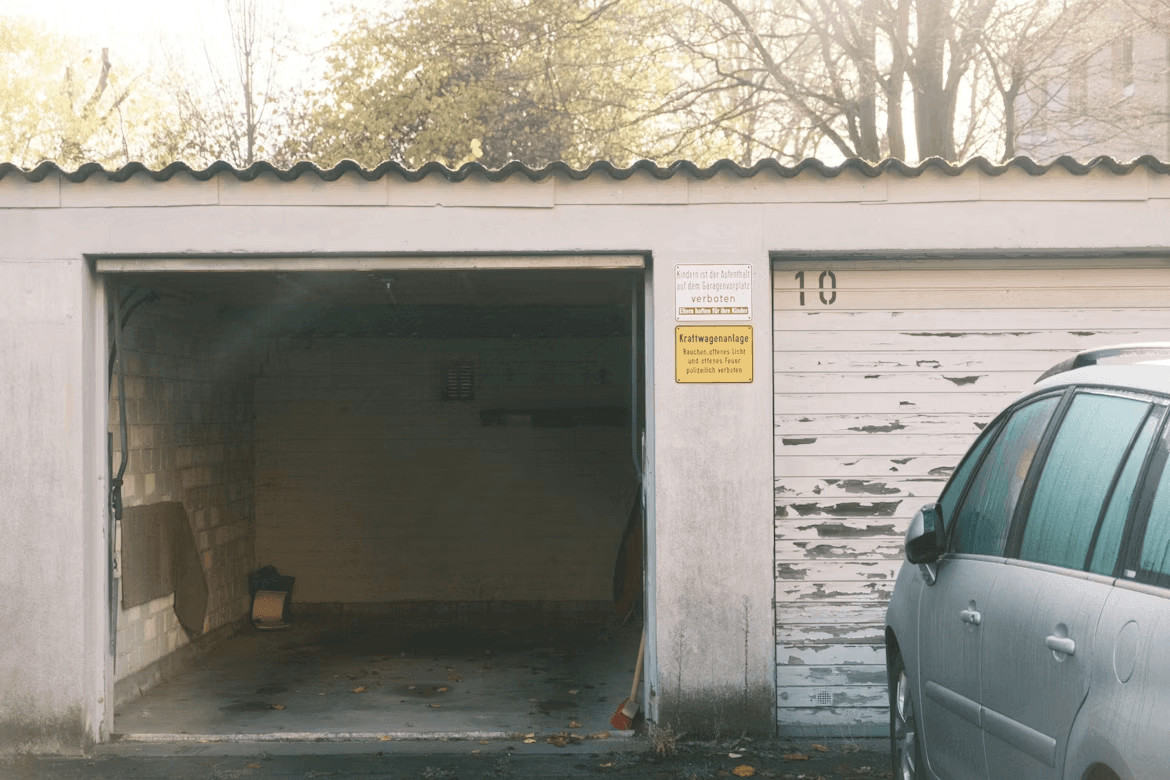
Decide what is actually coming with you
Coastal garages tend to hold a lot of gear that gets used once a season, or once, or never. Moving it is not free. Hourly work means every trip to the truck is time on the clock, and a garage packed with equipment nobody has touched in three years is an expensive thing to relocate.
Sort into three piles well before move week: coming, going to someone else, and disposal. Local outdoor gear shops, secondhand groups, and community organizations in the Virginia Beach area readily absorb usable equipment, particularly ahead of the summer season. Whatever is left goes to a scheduled bulk pickup, which is best booked early because slots fill up.
Handle the things that cannot go on the truck
This trips up more households than expected. Propane tanks, gasoline for a mower or generator, charcoal lighter fluid, pool chemicals, paint thinner, and other flammable or corrosive materials are not permitted on a moving truck. Neither are car batteries or partly filled fuel cans.
Plan for them separately. Use up what you can, and take the rest to a local household hazardous waste collection site. Ask your moving company for their refused items list when you book, since the specifics vary and the list is longer than most people guess.
The payoff
A garage handled two weeks out becomes an ordinary part of the job. A garage handled on move morning becomes the reason the crew is still working at eight at night. The households that finish on schedule are almost always the ones that treated the garage as the first room to deal with rather than the last.

