Some of the most expensive home repairs do not begin with a dramatic failure.
They start with a faint stain on the ceiling. A breaker trips twice in one week. One room suddenly takes longer to cool. A small crack near a window looks a little wider than it did last year.
The house still works, so it is easy to ignore the warning.
That is often when a manageable repair has the chance to grow into something much more expensive.
Knowing where problems tend to hide can help homeowners catch them sooner, plan repairs with less stress, and avoid turning a small maintenance issue into a major project.
Hidden Water Damage and Plumbing Problems
A burst pipe is obvious.
A slow leak can be much harder to notice.
Water may drip behind a cabinet, beneath flooring, or inside a wall for weeks before the damage becomes visible. The first clue might be a musty smell, peeling paint, a soft spot in the floor, or a water bill that suddenly rises.
By the time you see a stain, the leak itself may have been there for a while.
Make a habit of checking the places where water problems are most likely to appear.
Look beneath kitchen and bathroom sinks. Check around toilets, washing machines, dishwashers, and water heaters. Pay attention to corrosion around fittings, damp cabinet floors, warped trim, or discoloration on nearby walls.
Do not assume drying the surface solves the problem.
If moisture keeps returning, the source needs to be found and repaired. Otherwise, water may continue reaching drywall, flooring, insulation, or framing.
A small plumbing repair is usually easier to deal with than damaged flooring, mold cleanup, and wall repairs later.
HVAC Problems Often Build Slowly
Heating and cooling systems rarely go from perfect performance to complete failure overnight.
More often, they become less effective little by little.
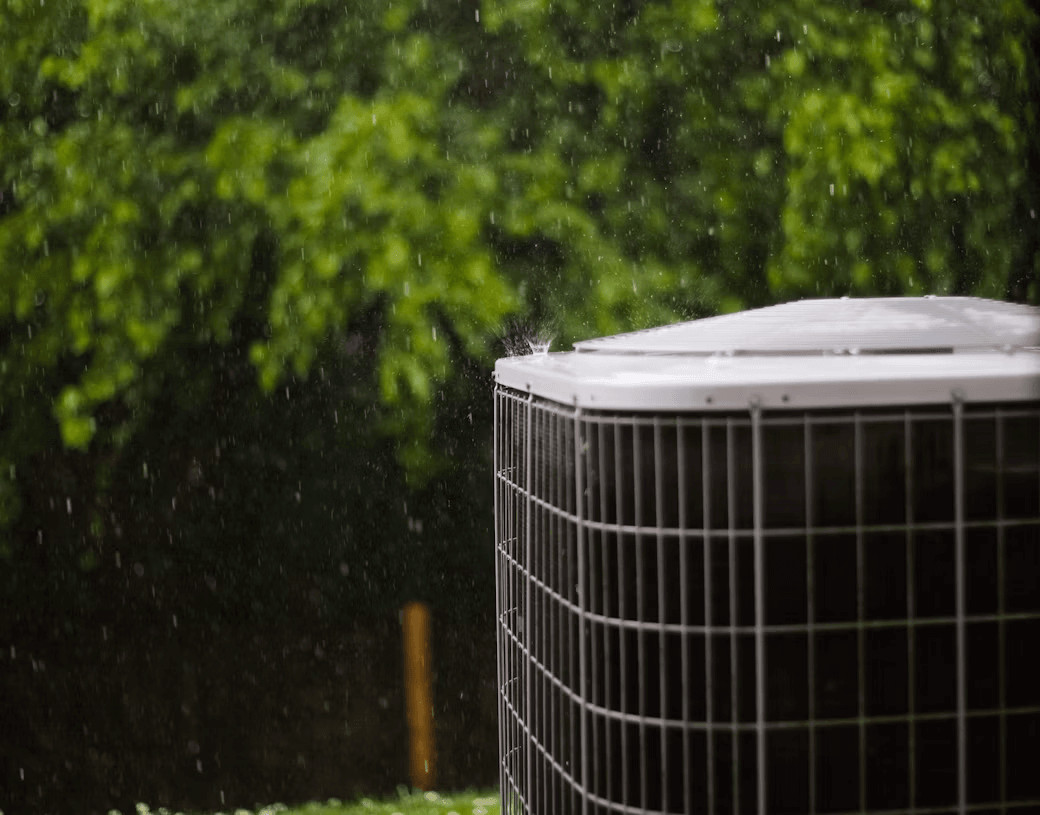
You may notice that the system runs longer than it used to. One bedroom may stay warmer than the rest of the house. The unit may make a new rattling, buzzing, or grinding sound.
Energy use may also start climbing even though your thermostat settings have not changed.
Those are signs worth paying attention to.
Basic maintenance can help reduce unnecessary strain. Follow the system’s instructions to clean filters according to the manufacturer’s guidance, and arrange professional servicing when recommended.
A technician may be able to identify restricted airflow, worn parts, drainage issues, or electrical problems before the system stops working completely.
That matters because HVAC failures tend to happen at exactly the wrong time.
An air conditioner often gives up during the hottest week of summer. A furnace problem becomes urgent on a freezing night.
Catching performance changes earlier gives you more time to compare repair options instead of making an expensive decision under pressure.
Roof Problems Can Stay Hidden Until Water Gets Inside
Your roof takes a beating from rain, wind, heat, snow, and falling debris.
Much of that wear happens where you cannot see it from the ground.
A missing shingle or damaged section of flashing may not seem serious until water reaches the attic. From there, moisture can spread into insulation, ceilings, and walls.
After severe weather, look for visible changes.
You might notice:
- Missing or damaged roofing materials
- New ceiling stains
- Damp areas in the attic
- Damaged flashing
- Sagging sections
- Water around vents or chimneys
You do not need to climb onto the roof yourself to perform a basic check.
Many warning signs can be spotted from the ground, through attic access, or by having a roofing professional inspect areas that are difficult or unsafe to reach.
Small roof repairs are usually easier to plan than interior repairs caused by months of unnoticed water intrusion.
Foundation and Structural Changes Deserve Attention
Not every crack means a house has a serious structural problem.
Homes move slightly over time, and small cracks can appear as materials expand, contract, and settle.
The important part is noticing change.
A crack that stays the same for years may be very different from one that grows noticeably over a few months.
Other signs worth watching include doors that suddenly stop closing properly, windows that begin sticking, sloping floors, or new gaps between walls and trim.
Take photographs when you first notice something unusual.
Include a date and, if possible, something that shows the scale of the crack or gap. That gives you a simple record to compare later.
If a structural change continues to grow or appears suddenly, have a qualified professional inspect it rather than guessing at the cause.
Electrical Problems Should Not Be Put Off
Some household repairs are inconvenient.
Electrical problems can be dangerous.
Flickering lights, warm outlets, burning smells, buzzing switches, and breakers that repeatedly trip all deserve attention.
One tripped breaker may simply mean a circuit was overloaded.
A breaker that keeps tripping is different.
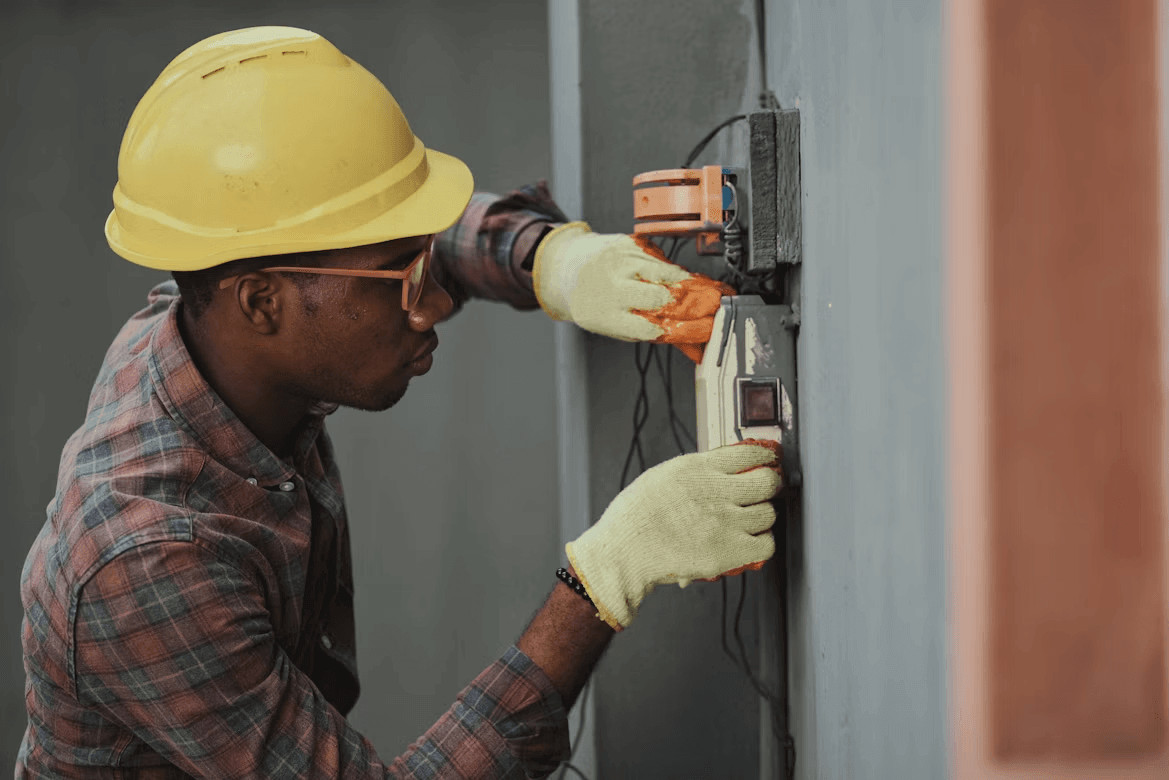
Avoid repeatedly resetting it without finding out why the problem is happening.
The same applies to outlets or switches that feel unusually warm. Temporary workarounds may hide the symptom without addressing the electrical issue behind it.
Have recurring electrical problems checked by a licensed electrician.
This is one area where trying to save money with an improvised repair can create a much larger problem.
Appliances Rarely Fail at a Convenient Time
The refrigerator stops cooling the day after a large grocery trip.
The washing machine quits halfway through a load.
The water heater fails before everyone needs to shower.
Appliance failures are ordinary parts of homeownership, but they can still disrupt the household and create an unexpected expense.
Keeping simple records can make replacement decisions easier.
Write down the model number, purchase date, warranty information, and approximate age of major appliances. You can also keep a rough idea of what replacement would cost.
That does not mean you need to replace an appliance just because it gets older.
It simply gives you more information when something breaks.
If an aging appliance begins needing repeated repairs, compare the repair cost with the cost of replacement before automatically approving another service call.
Watch for Small Problems Around Windows and Doors
Windows and exterior doors are easy to overlook because they can keep working even when seals, flashing, or surrounding materials begin to fail.
Look for water stains, peeling paint, drafts, swollen trim, or condensation appearing where it did not before.
A small gap around a window may allow rainwater or outdoor air into the wall assembly.
Caulk and weatherstripping can solve some minor problems, but repeated water intrusion deserves closer attention.
If staining returns after every storm, the issue may involve flashing or another part of the exterior rather than the visible seal alone.
Treat the cause instead of repeatedly covering the symptom.
Drainage Problems Can Become Foundation Problems
Water should move away from the house.
When gutters overflow, downspouts dump water beside the foundation, or the ground slopes toward the structure, moisture can collect where you do not want it.
That can contribute to damp basements, crawlspace moisture, erosion, and other problems.
Walk around the exterior during or shortly after heavy rain.
Look at where water goes.
Are gutters overflowing?
Are downspouts directing water away from the house?
Does water collect against the foundation?
Are there low spots that stay wet long after the storm passes?
Drainage problems are much easier to address when they are still exterior maintenance issues rather than interior water problems.
The Garage Door Is Easy to Forget Until It Stops Moving
A garage door may be one of the largest moving parts in the house, yet many homeowners rarely think about it.
Changes in how it moves can provide early warning.
Listen for grinding, squeaking, or unusual popping sounds. Watch for jerky movement, uneven lifting, or a door that suddenly moves more slowly than usual.
Some maintenance may be simple, but garage door springs and other tensioned components can be dangerous to work on.
If the problem involves springs, cables, or major mechanical parts, leave the repair to someone trained to handle them safely.
Create a Home Repair Fund Before You Need One
Good maintenance can reduce surprises, but it cannot eliminate them.
Eventually, something will break.
A dedicated home repair fund can make that moment much easier to handle.
You do not need to predict exactly whether the next expense will involve plumbing, HVAC equipment, an appliance, or the roof. The purpose of the fund is simply to have money available when an essential repair arrives.
Keep it separate from money intended for routine monthly expenses.
Review the amount occasionally, especially after making a large withdrawal for a repair.
You should also understand what your homeowners insurance covers.
Insurance may help with certain sudden or accidental losses, but normal wear, maintenance issues, and gradual deterioration may be treated differently depending on the policy.
Read your coverage before you need to file a claim.
Know Your Options Before an Emergency
There may still be times when an urgent repair costs more than you have available in cash.
If that happens, avoid focusing only on how quickly you can get money.
Compare the full cost.
Homeowners considering financing such as online personal loans should look at the interest rate, fees, repayment schedule, monthly payment, and total amount that would be repaid.
Other options may also be available depending on the repair, contractor, insurance coverage, or household finances.
The key is to understand the terms before committing.
Researching possible financing choices before an emergency can make it easier to evaluate them calmly rather than making a rushed decision while water is leaking through the ceiling.
Keep a Simple Home Maintenance Record
You do not need an elaborate spreadsheet to keep track of your house.
A folder, notebook, or digital document can be enough.
Keep records of:
- Major appliance purchase dates
- HVAC service
- Plumbing repairs
- Roof work
- Electrical upgrades
- Warranty information
- Contractor contact details
- Photos of cracks, stains, or other changes
- Insurance information
These records become more useful as the house gets older.
They can help you remember when equipment was serviced, identify recurring problems, and explain previous work to a contractor.
They also make it easier to see when a repair that feels sudden has actually happened before.
Pay Attention Before Something Stops Working
Homes usually give you clues.
A new noise, a small stain, a slow drain, a warmer-than-usual room, or an outlet that suddenly behaves differently may seem minor on its own.
You do not need to panic over every change. You should notice patterns. The same principle applies when you read a property condition report before buying a home: individual findings matter, but recurring problems and issues involving water, electricity, structure, or safety deserve closer attention.
You should notice patterns.
When something keeps returning, gets worse, or affects water, electricity, structure, or safety, investigate it.
A little attention now can give you something homeowners rarely have once a major repair happens: time.
Time to compare contractors.
Time to understand the problem.
Time to check your budget.
And time to make a repair decision before a small warning becomes an expensive emergency.