Ordering car parts online should be straightforward. In practice, it is one of the product categories most prone to expensive errors – wrong fitment, counterfeit components, misleading listings, and return policies designed to frustrate rather than protect. A repair that looked like a straightforward saving can quickly turn into a costly lesson.
The good news is that most of these mistakes are entirely avoidable. Knowing what to check before clicking purchase is the difference between a smooth repair and a wasted week waiting for the wrong part to be returned.
Always Start With Your VIN, Not the Model Name
The single most effective thing a buyer can do before searching for any part is locate their 17-digit Vehicle Identification Number. The VIN encodes the vehicle’s exact factory specifications – engine type, production year, regional market, trim level, and in some cases, mid-year manufacturing changes that the same car’s name would never reveal.
Searching by model name alone – “Toyota Corolla 2019,” for example – can surface dozens of compatible-looking results that actually differ in mounting points, sensor connectors, or bracket geometry depending on the specific variant. Reputable platforms offer VIN-based lookup that filters results to only show parts verified for the buyer’s exact vehicle. Using it is not optional; it is the starting point of a safe purchase.
Verify Part Numbers, Not Just Descriptions
Every genuine automotive component carries a standardised OEM part number – a unique identifier that removes all ambiguity about what the part is and what it fits. Before buying, locate the OEM number on the existing part (usually stamped, engraved, or printed on a sticker), check the vehicle manual, or call a dealership’s parts department with your VIN.
Cross-referencing this number against a listing eliminates the risk of purchasing something that looks right but differs in a specification invisible to the naked eye. Aftermarket equivalents will typically carry their own reference number, but should also provide an OEM cross-reference to confirm what they replace. Any seller who cannot or will not supply this information is a seller to avoid.
Read the Return Policy Before You Do Anything Else
Return policies in the auto parts sector vary enormously, and some are designed to make returns effectively impossible. A 14-day return window, a 20% restocking fee, or a policy that excludes electrical components entirely can leave a buyer with a useless part and no recourse if something goes wrong.
Reputable sellers offer return windows of at least 30 to 90 days with clear, customer-friendly terms and no punitive fees for parts returned in original condition. A generous return policy is not just reassurance – it is a signal that the seller is confident in what they are selling. If the return conditions are buried in small print, require multiple approval steps, or exclude broad categories of parts, that should inform the purchase decision before any money changes hands.
Treat Suspiciously Low Prices as a Red Flag
Unusually low pricing on automotive components is one of the most consistent indicators of a counterfeit or substandard part. Counterfeit automotive parts – including fake brake components, sensors, and safety systems – are a persistent and documented problem across online marketplaces, with law enforcement agencies and consumer protection bodies across Europe and North America having flagged the issue repeatedly.
Reputable sellers price parts competitively but realistically. The price reflects quality materials, proper testing, and a working warranty. A part listed at a fraction of what every other seller charges is either in unacceptably poor condition, not what it claims to be, or both. For safety-critical components – brakes, airbags, suspension elements, and steering components – the cost of a counterfeit failing in service is not measured in the purchase price. It is measured in the repair bill that follows, or worse.
Check Seller Credentials and Platform Verification
Not all online listings are equal, and the platform a part is listed on matters as much as the listing itself. Sellers with a meaningful volume of verified sales, high positive feedback ratings, and a documented history of resolving disputes are systematically safer than unknown vendors with no track record and no reviews.
On aggregator platforms and multi-seller marketplaces, the better-quality operators distinguish themselves through transparency – detailed part descriptions, real photographs of the actual item rather than stock images, documented mileage and condition history for used components, and warranty information clearly stated upfront.
Platforms like OVOKO, which connect buyers with hundreds of verified dealers, build trust through consistent seller standards and structured part information, reducing the guesswork that makes individual marketplace listings risky. When evaluating a seller, checking independent review platforms alongside the marketplace’s own rating system gives a fuller picture than either source alone.
Understand the Difference Between OEM, Aftermarket, and Used
The language used in parts listings is not always applied consistently, and the distinction between OEM, aftermarket, and used matters both for compatibility and for quality expectations.
OEM parts are manufactured to the exact specification of the original component fitted at the factory. They guarantee fit and carry the manufacturer’s implied quality standards, though they typically carry a higher price. Aftermarket parts are produced by third-party manufacturers – quality varies widely, from parts that meet or exceed OEM specifications to products that cut materials costs in ways that shorten component life.
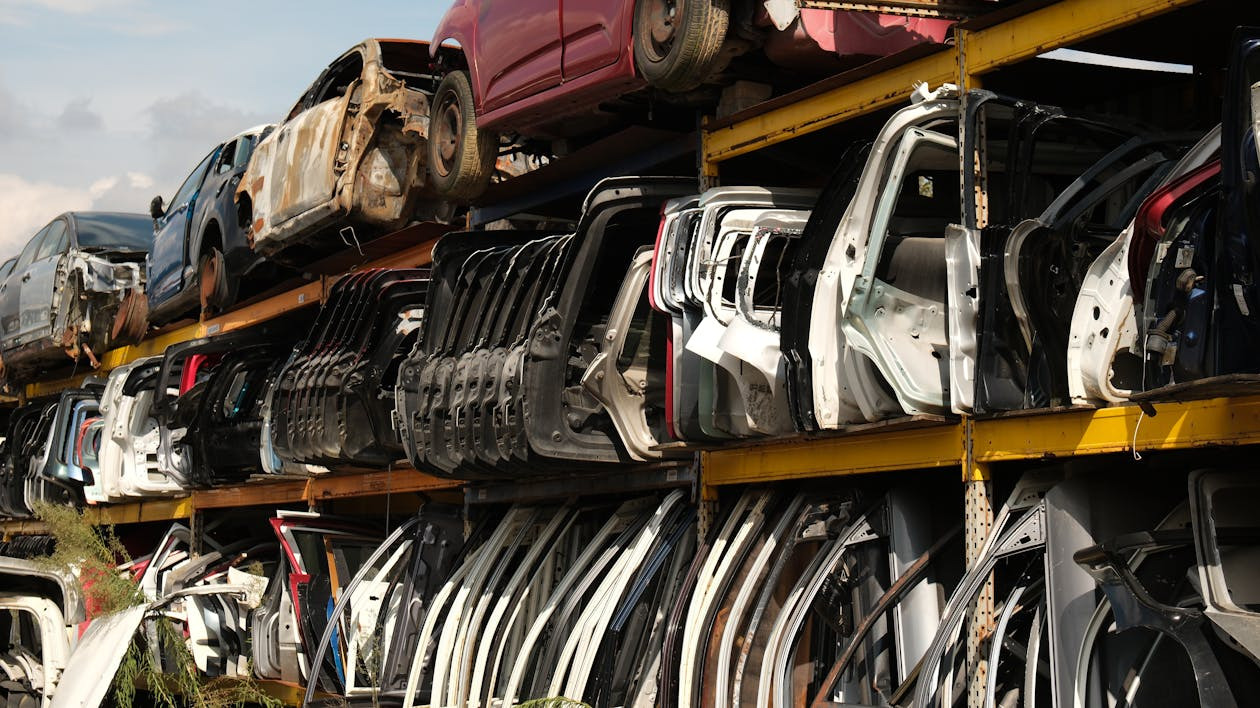
Used OEM parts sourced from end-of-life vehicles occupy a distinct and often underappreciated category: they are the same part the manufacturer fitted originally, at a fraction of the price, provided they have been properly inspected and tested before listing. For many non-safety-critical repairs, a verified used OEM component represents the optimal combination of quality, fit, and cost.
Check Photos Carefully and Ask for More If Needed
A listing with only stock photography – manufacturer images of a generic new part – provides no useful information about the actual condition of what is being sold, particularly for used or refurbished components. Real photographs of the specific part, showing multiple angles, any visible wear, the part number label, and any included components, are the baseline standard for a responsible used parts listing.
If photos are insufficient or absent, asking the seller for them is entirely reasonable and is a common step among informed buyers. A seller who declines to provide additional images of a specific item, or who responds with evasive answers to specific condition questions, is exhibiting a pattern that experienced buyers recognise and avoid. The conversation before purchase often reveals more about the seller’s reliability than the listing itself.
Factor in the Full Cost, Including Shipping and Labour
The visible price of a part online is rarely the total cost of the decision. Shipping charges for heavy components can be substantial, and some listings headline an attractive part price that is offset by logistics costs not shown until checkout. For bulky items like engines, gearboxes, or body panels, delivery charges can run into meaningful figures, and some sellers in distant markets price parts attractively precisely because they expect to recover a margin on freight.
More significantly, the labour cost of installation does not change whether the part works or not. A used component that fails shortly after fitting means paying for the same labour twice – which is why the warranty on a used part is not an optional extra but a genuine financial protection.
Before committing to a purchase on price alone, the total calculation should include shipping, any installation costs, and the realistic consequence of the part not performing as expected. A slightly higher-priced part from a verified seller with a solid warranty and a clear return policy is almost always the more cost-effective choice in the end.