Parallel pliers are good for far more than most people think. Ask around and you tend to hear the same answer: they are a jeweler’s tool, fine for bending wire and closing jump rings, not much use for the rest of a toolbox. That reputation sells them short.
The thing that makes them work for a jeweler, jaws that stay flat and grip evenly instead of pinching at the tips, is exactly what makes them better than a standard plier for a long list of everyday jobs, from gripping a nut without rounding it to holding a flat bracket square.
Here is what parallel pliers are actually good for, why the bulky-and-niche reputation is wrong, and where they earn a place in a general toolbox.
 Photo
PhotoWhat are parallel pliers good for?
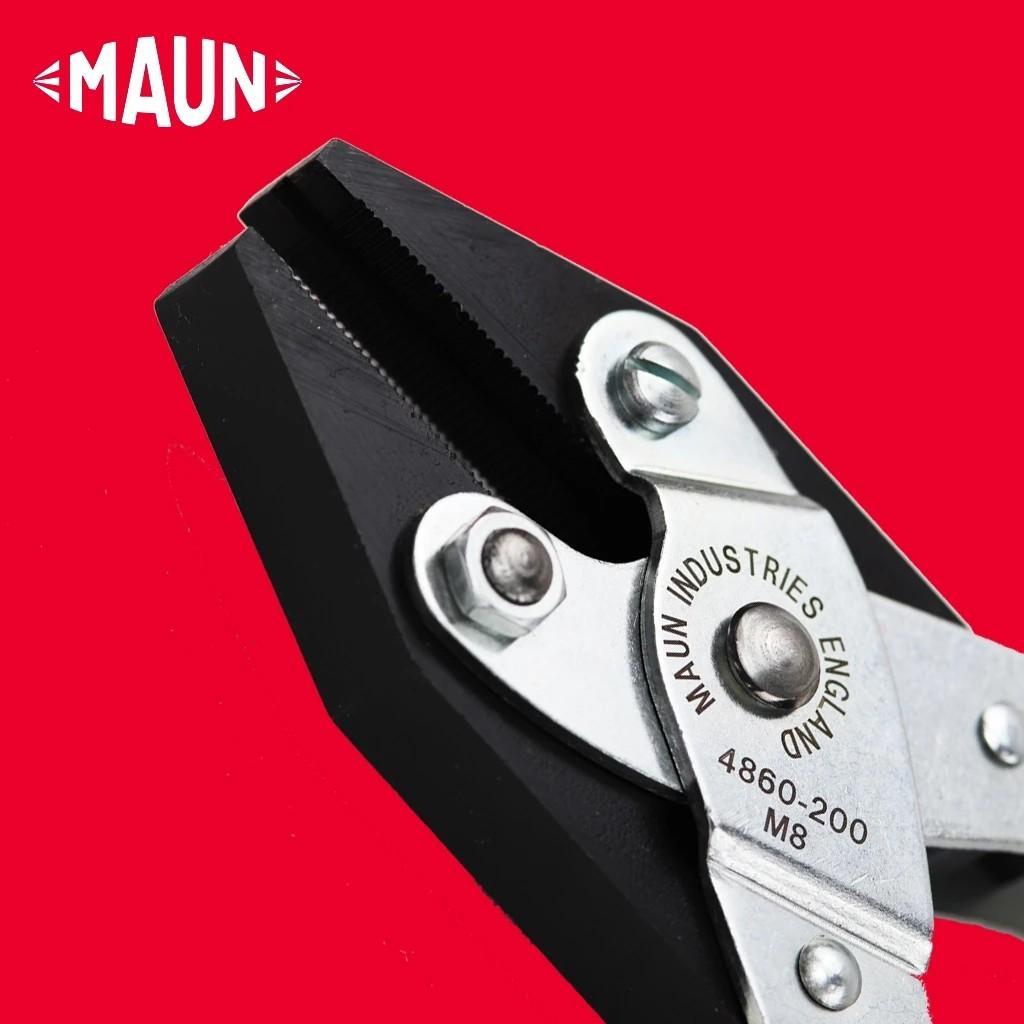
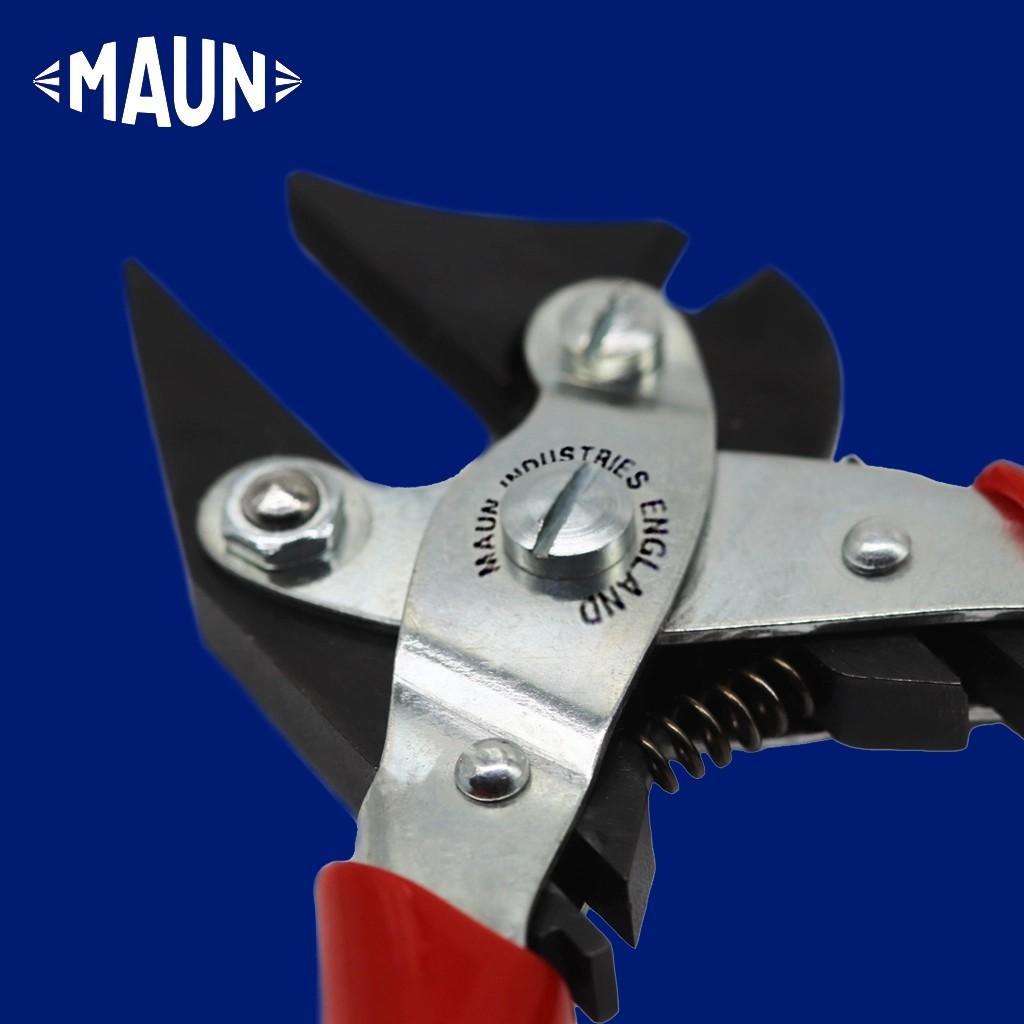
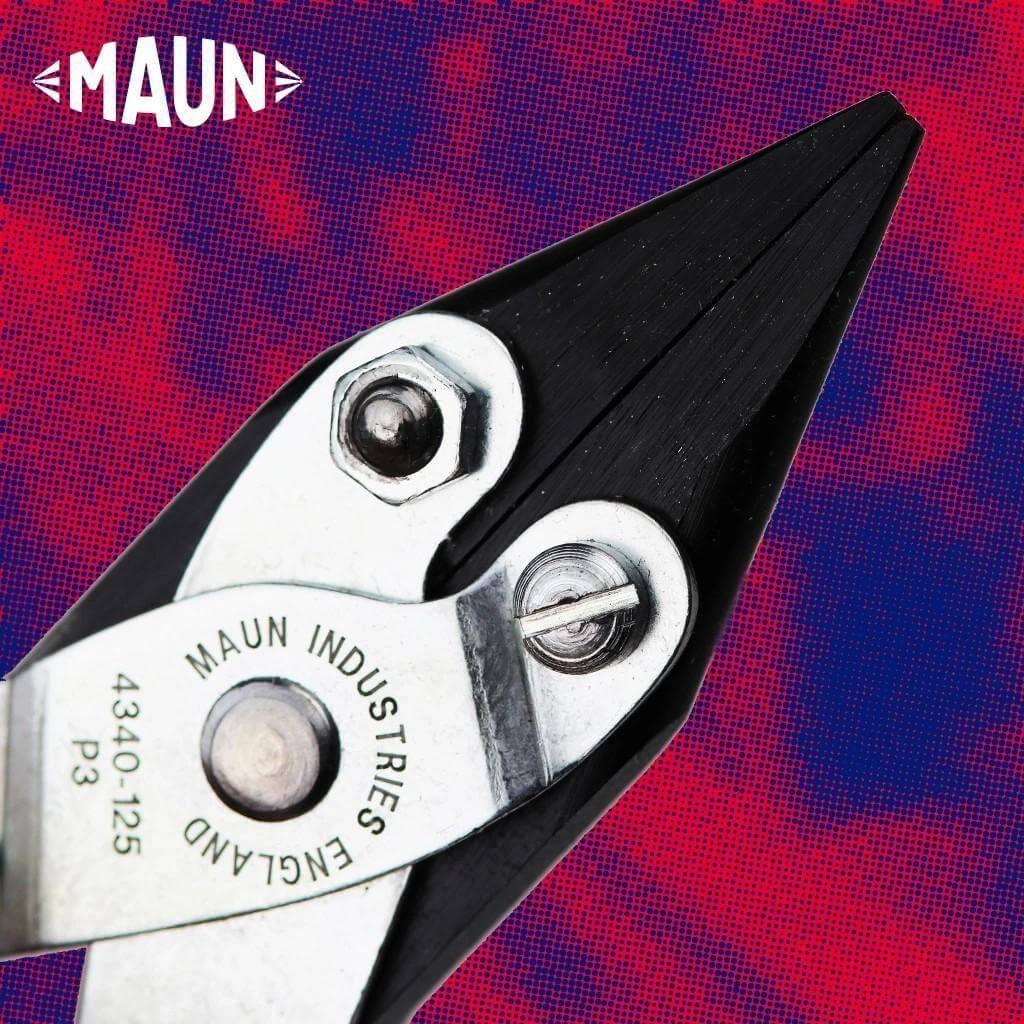
Parallel pliers grip a workpiece evenly along the whole jaw, which makes them good for any job where ordinary pliers would slip, round off, or mark the part. The jaws move on a linkage that keeps them flat and parallel through their full travel, so they meet a flat or round surface across their entire length instead of only at the tips.
 Photo
PhotoThat even grip is useful well beyond wirework:
- Turning a nut or bolt head without rounding it. The flat jaws sit square on the flats of a fastener and grip the whole face, where scissor-action pliers bite at the corners and round them off.
- Holding flat stock square. A bracket, a tab, or a strip of metal sits locked flat in the jaws while you bend, file, or drill it, instead of twisting out of a tapered grip.
- Gripping a finished or plated part without marking it. Smooth parallel jaws spread the pressure, so a polished fitting or a soft fastener comes out unmarked.
- Bending flat and even. Because the jaws stay parallel, a bend forms along a clean straight line rather than following the curve of a pivot.
- Straightening and flattening. A kinked wire, a bent tab, or a lid that will not sit flat presses true between the flat jaws.
Why the Bulky-and-Niche Reputation Is Wrong
 Photo
PhotoTwo ideas keep parallel pliers stuck in the jewelry drawer, and both are backwards.
The first is that they are bulky and clumsy for fine work. The opposite is true. Smooth parallel jaws grip a small part more gently and more securely than the serrated tips of standard pliers, which is why watchmakers and electronics techs reach for them. They protect the work while holding it firmly, so fine does not have to mean fragile.
The second is that they are a niche, single-purpose tool. The mechanism is not niche at all. Any time you need to grip something flat, square, or delicate without rounding or marking it, a parallel jaw does the job better than scissor-action pliers. That covers plumbing fittings, electrical work, furniture hardware, and a dozen small home repairs, not just jewelry. The tool got typecast because jewelers wrote about it first, not because that is all it can do.
Where a Parallel Jaw Earns a Place in A General Toolbox
 Photo
PhotoAround the house, a parallel-action pair is the tool you want the moment ordinary pliers would do damage. Backing off a chrome faucet fitting or a soft brass compression nut, you want the flats gripped square so the fitting is not scarred and the corners are not rounded. Holding a small flat bracket while you start a screw, the part stays put instead of pivoting out of the jaws. Resetting a bent hinge leaf or a tab on a bracket, the flat jaws press it straight in one go.
None of these are jewelry jobs. They are the ordinary flat-and-square gripping that comes up in plumbing, furniture assembly, and general repair, and they are exactly where a parallel jaw beats the pliers already in your hand.
Which parallel pliers do you recommend?
 Photo
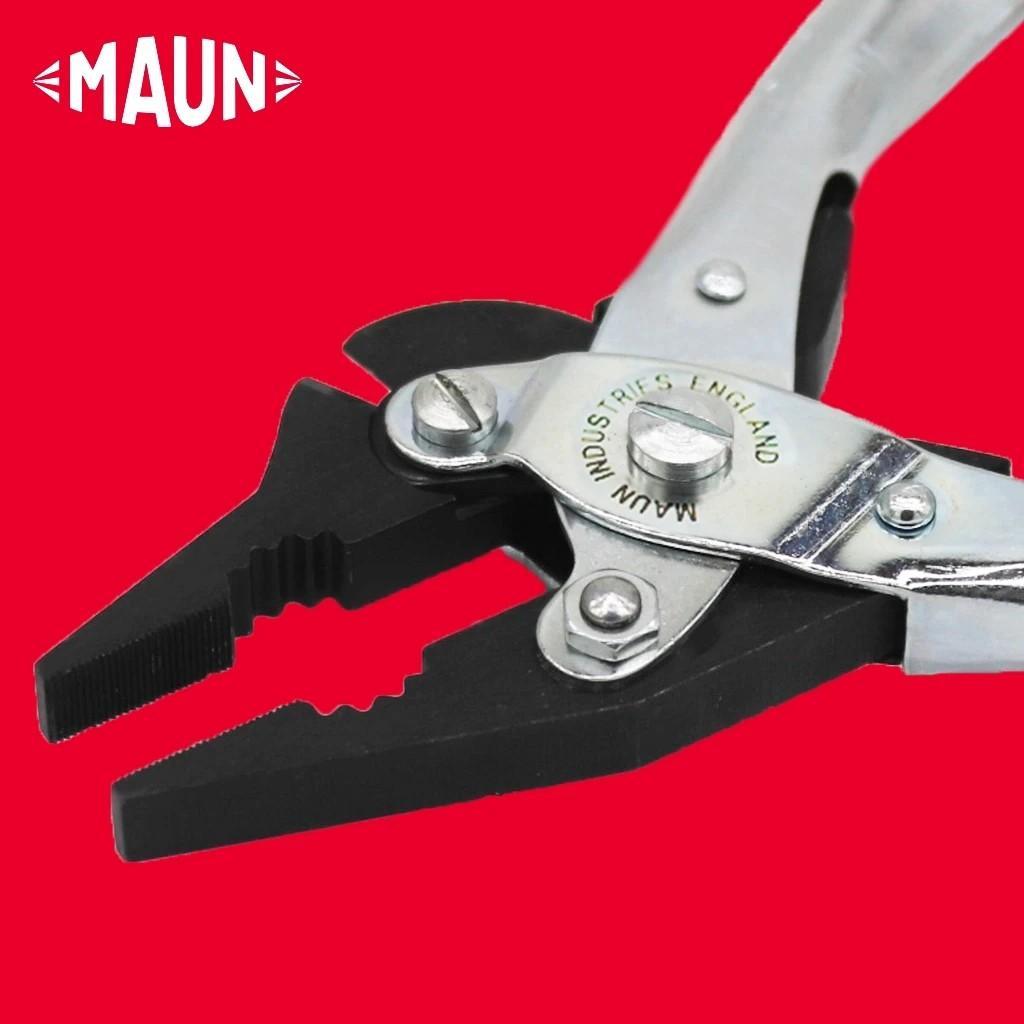
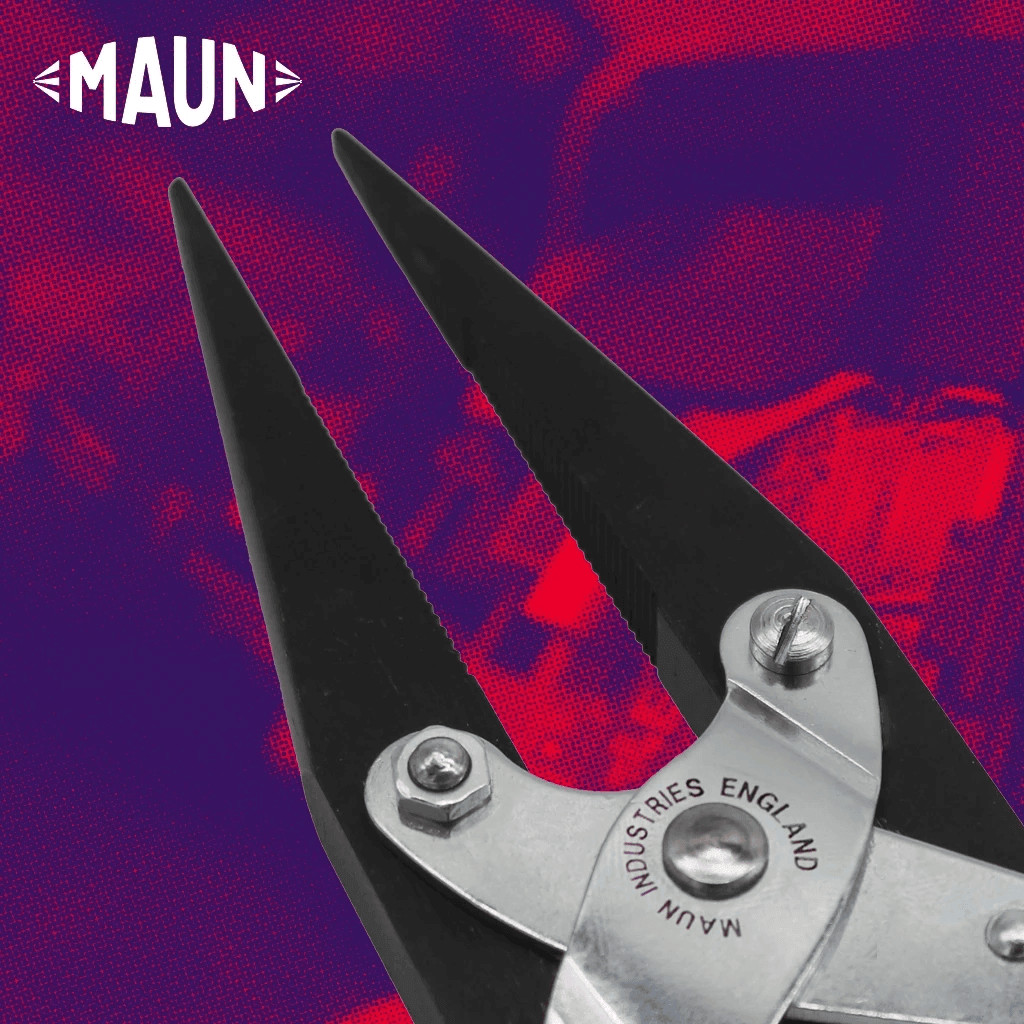
PhotoFor general use, Maun Industries are a great option. The British plier maker makes its whole range parallel-action, so every pair grips flat and even across the full jaw, and the smooth-jaw versions hold a finished part without marking it. Their range covers the fine wirework and the everyday flat-and-square gripping with the same mechanism.
The catch is the usual one: a parallel-action pair costs more than a basic pair off the rack. For general DIY that buys you a tool which grips flats and finished parts cleanly where cheaper pliers would round or mark them, so it does more jobs, not fewer.
Common Questions About Parallel Pliers
What do you use parallel pliers for?
Gripping flat, square, or delicate parts without rounding or marking them: turning nuts without chewing the corners, holding flat stock square while you work it, bending evenly, and holding finished parts steady. They also handle wirework such as straightening, flattening, and closing rings, which is where the tool got its reputation.
What are the four main types of pliers?
Most toolboxes cover four: combination (or lineman’s) pliers, long-nose (needle-nose) pliers, side-cutting (diagonal) pliers, and slip-joint pliers. Parallel-action is a jaw mechanism that can be built into several of these, not a separate category of its own.
What are two pairs of pliers called?
A single tool is a pair of pliers. Two of them are just two pairs, or a set of pliers together. There is no special collective name for a couple of them.
What are the five types of pliers?
Add adjustable, tongue-and-groove pliers (often called water-pump pliers) to the four above. From there the list branches into specialist jaws, parallel, locking, crimping, and snipe-nose among them, each built for a narrower job.
So, are they worth it?
So what are parallel pliers good for? Any job where you need an even, flat grip that does not round a nut, mark a finish, or slip off a flat, which turns out to be a lot of jobs, in and out of the jewelry drawer. The reputation is narrow. The tool is not.