Residential break-ins occur far more often at the front door than through windows or secondary entries. Most homes ship with Grade 3 locks installed by default, which is the lowest tier in the residential security rating system. Closing that gap does not require a major renovation project or a large upfront budget. A few deliberate hardware changes and access decisions produce measurable improvements in how well protected your home actually is.
Getting a clear picture of your current setup is the smartest move before spending anything on new hardware. All Hour Locksmith helps homeowners across Salt Lake City identify hardware weaknesses and recommend practical changes that fit each situation. That outside perspective often reveals problems that go completely unnoticed until an incident makes them obvious. Starting with a professional evaluation saves both time and prevents spending money in the wrong areas first.
Photo by Sueda Dilli
Upgrade the Deadbolt on Every Exterior Door
Most homes are built with Grade 3 deadbolts, the lowest rating in the ANSI/BHMA grading system used across the residential lock industry. Moving up to a Grade 1 deadbolt creates a real difference in how much force the hardware can absorb before failing under pressure. These locks are sold at most hardware stores and install with the basic tools already in your kit. The performance gap between a Grade 3 and a Grade 1 lock is measurable and matters when conditions actually test it.
The bolt should extend at least one full inch into the door frame when fully engaged. Strike plate quality is just as important, since the plate is what holds the bolt in place during any forced entry attempt. Replacing a standard plate with a reinforced one, fastened with 3-inch screws that reach the wall studs, addresses one of the most frequent failure points in residential door hardware. That single change makes the average exterior door considerably harder to force open quickly.
Smart Locks Offer Control Without Reducing Strength
Modern smart locks carry ANSI Grade 1 or Grade 2 ratings, placing them at or above the performance standard of traditional deadbolts. Most fit directly into existing door cutouts, so installation rarely requires new drilling or additional hardware purchases. A standard install takes roughly an hour using a screwdriver and the manufacturer’s instructions. The hardware is no weaker than what it replaces, and the added features provide genuine everyday value.
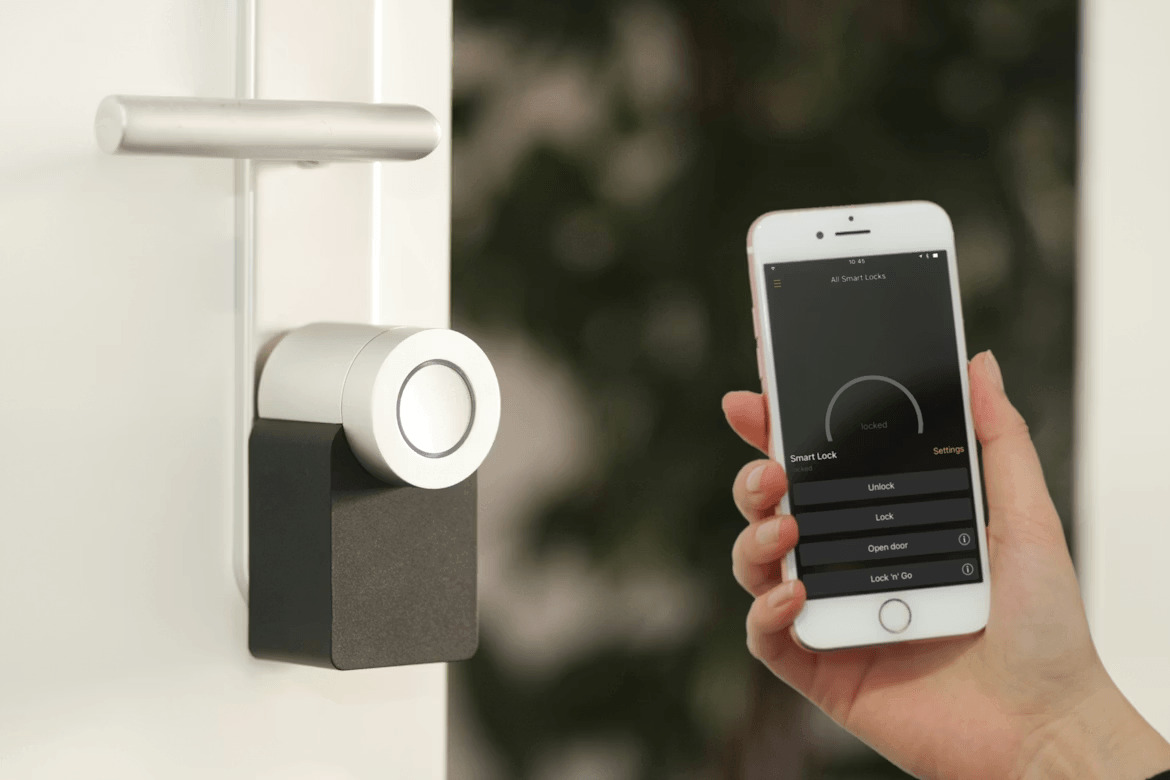
The main advantage of smart locks is access management. Codes can be assigned to family members, contractors, or regular visitors and deleted remotely the moment access should end. Activity logs in the companion app record who entered and at what time, offering an accountability trail that a physical key cannot match. For homes with frequent service visitors or short term renters, that log becomes a practical record worth having.
Battery life typically runs between six and twelve months depending on how often the lock sees use. Most models send a low battery notification through the app before power runs out, giving enough time to swap batteries without any service interruption. Some also include a physical key override as a reliable backup if the battery drains faster than expected.
Rekeying Versus Full Lock Replacement
Rekeying modifies the internal pin configuration inside a lock cylinder so that old keys no longer operate it. A locksmith can complete a standard rekey in a few minutes, and the cost stays well below a full hardware replacement. It is the right move when existing hardware is in good condition but access needs to be reset for any reason.
Moving into a previously occupied home is the most common reason to rekey without delay. There is rarely a reliable way to know how many copies of the original key were made or who still holds one. According to the FBI’s Uniform Crime Reporting program, most residential burglaries target ground-level entry points, which makes resetting access at those locations a priority after any change in occupancy.
Full replacement becomes the better choice when hardware is worn, outdated, or rated below current standards. Upgrading from an old Grade 3 deadbolt to a Grade 1 model during that process adds protection that rekeying alone cannot provide. The combination covers both the access and hardware gaps in a single step.
Reinforce Frames, Sliding Doors, and the Garage
A Grade 1 deadbolt installed in a weak door frame still fails quickly under direct force. Door reinforcement kits add steel plating around the lock zone and along the frame jamb, targeting exactly the spots where most forced entries succeed. These kits are available at hardware stores and require no professional help or specialized tools to install correctly.
Sliding glass doors need separate attention from standard entry door work. Most sliding door latches are designed for daily convenience rather than resistance, and they do not hold up against sustained lateral pressure. A commercial door bar or a wooden dowel cut to fit the track prevents the door from being forced open even after the latch has been bypassed.
The garage is one of the most overlooked access points in most homes. An attached garage provides a direct route into the interior of the house, so the connecting door should meet the same standard as the main entry. Browsing door reinforcement hardware guides can help you identify what fits your frame and budget before purchasing. Garage security changes worth addressing include:
- A solid core door connecting the garage to the main living space
- A Grade 1 deadbolt installed on that interior connecting door
- A padlock or locking bar on the overhead door track during extended time away from home
- A door sensor that sends an alert whenever the overhead door opens unexpectedly
Exterior Lighting, Window Locks, and Cameras
Standard window hardware is designed for ease of daily use rather than resistance to forced entry. Keyed sash locks, pin locks, and sliding window bars all improve on what most homes include as a default. Security film applied directly to glass holds fragments together longer during an impact, adding time that fast, opportunistic entries count on not running into.
Exterior lighting works alongside physical hardware rather than substituting for it. Guidance from the Cybersecurity and Infrastructure Security Agency consistently points to visibility improvements at entry points as one of the most reliable deterrents for residential crime. Motion activated lights at doors, garage areas, and side entries are among the most cost effective additions available with consistent real-world impact.
Security cameras at main entries add deterrence and documentation together. A visible camera positioned above the front door changes the risk calculation for anyone considering a property as a target. Comparing exterior security camera options helps you match coverage angles and mounting positions to your layout before committing to a setup. A two camera arrangement covering the front entry and one secondary access point delivers far more visibility than most households currently have in place.
Building a Setup That Holds Over Time
Home security hardware performs best when it receives occasional attention rather than being installed and then ignored. Checking the deadbolt throw and strike plate screws once each year catches anything that has shifted or loosened through regular use. Smart lock batteries should be tested before any extended travel period when the home will sit empty longer than usual.
Any time access changes, whether through a move, the end of a project, or a missing spare key, rekeying is the fastest and most cost effective way to reset. Strong hardware on reinforced frames, combined with exterior lighting and a clear access plan, reduces the most common residential risks without demanding major ongoing investment. These are maintenance habits, not projects, and they make the difference between hardware that works and hardware that just looks like it should.