The shower runs cold halfway through on a winter morning, with shampoo still in someone’s hair. That is often the moment a homeowner starts thinking seriously about the hot water system.
The problem is that a failed unit rarely leaves much time for research. Someone calls a plumber, asks what is available, and picks from the models that can be installed quickly. Whether that means one of the best hot water systems for the house or simply the unit that can arrive tomorrow often depends on how much planning happened before the old system failed.
Once the replacement is installed, most homeowners stop thinking about it. The system sits outside, in a cupboard, or in the garage and quietly heats water for years.
That makes the replacement decision more important than it first appears. The system you choose affects available hot water, energy use, installation costs, maintenance, and what options you have later if you add rooftop solar.
If your current unit is getting older, the best time to compare those choices is before the shower turns cold.
The Old System Usually Gives You Some Warning
Hot water systems do not always fail without notice.
Sometimes the first sign is a small patch of rust near the tank. Other times, the system starts making popping, knocking, or rumbling sounds that were not there before.
You might also notice that hot water does not last as long as it used to.
One symptom on its own may not mean the system needs replacing. Several changes happening together deserve more attention.
Watch for things such as:
- Rust or corrosion around the tank or fittings
- Water collecting around the base
- Unusual noises during heating
- Hot water running out sooner
- Water taking longer to heat
- Changes in water temperature
- A noticeable rise in energy use
A leak deserves particularly quick attention. Water around a hot water system can indicate anything from a minor connection problem to a tank that has started to fail.
Instead of waiting for a complete breakdown, have an older system checked when its performance begins to change. That gives you time to decide whether a repair makes sense or whether replacement is the better option.
Electric, Gas, and Heat Pump Systems Work Differently
There is no single hot water system that makes sense for every house.
The right choice depends on the number of people living there, how much hot water they use, existing gas or electrical connections, available space, climate, and energy prices.
Electric Storage
Traditional electric storage systems are familiar and relatively simple.
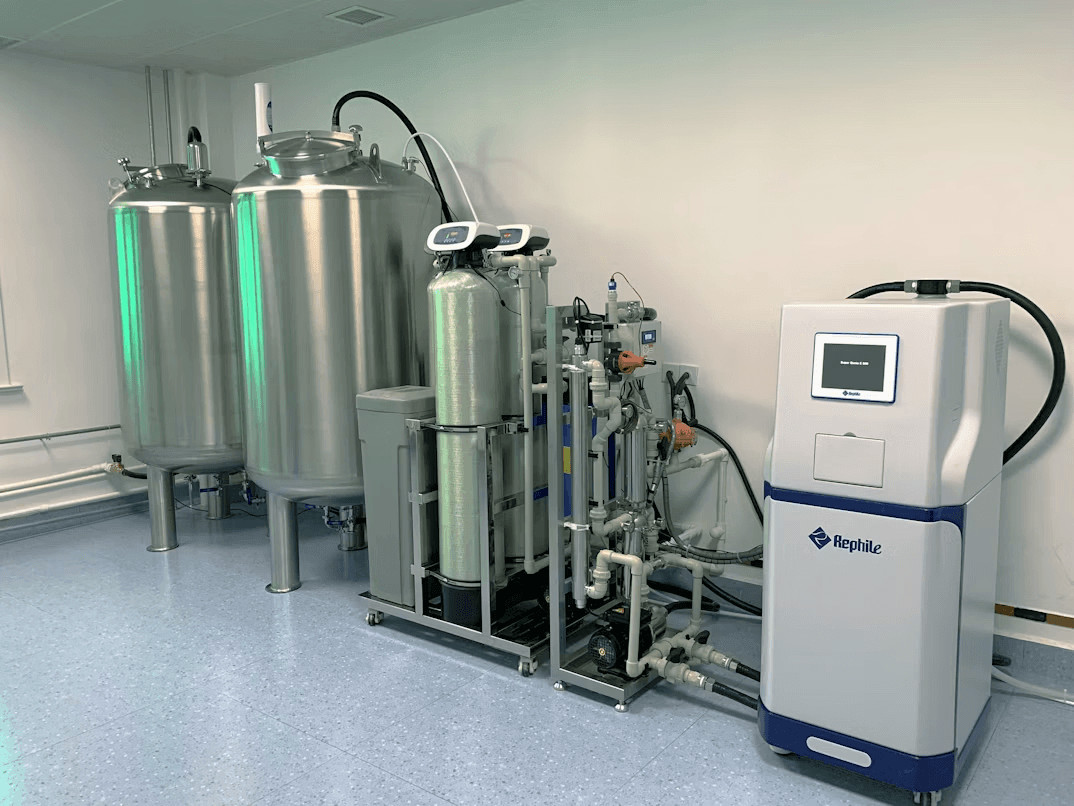
They use an electric heating element to warm water inside an insulated tank. Once the water is hot, the tank stores it until someone turns on a tap or shower.
Installation can be straightforward when an existing electric storage system is being replaced with a similar model.
Running costs depend on the unit, tariff, tank size, and when it heats. A system that can heat during lower-cost periods or while rooftop solar is producing power may operate very differently from one that relies on higher-priced grid electricity.
Gas
Gas systems can use either a storage tank or a continuous-flow design.
A storage system keeps a supply of hot water ready. A continuous-flow system heats water as it is needed rather than holding a full tank of hot water.
Gas can make sense in homes that already have an appropriate gas connection, but the purchase price should not be the only consideration. Homeowners also need to look at ongoing gas charges, installation requirements, household demand, and how long they expect to keep the system.
Heat Pump
A heat pump hot water system works differently from a standard electric resistance heater.
Instead of creating all its heat with an electric element, it transfers heat from the surrounding air into the water.
That can reduce electricity use, but the local climate matters. Heat pumps still operate in cool weather, although performance and heating time can vary between models as outdoor temperatures fall.
For homes around Geelong, cold-weather performance is worth checking before choosing a unit. Ask how the model performs during winter, whether it uses a backup heating element, and what operating temperature range the manufacturer specifies.
Do not rely only on the efficiency figure printed in a brochure. The system needs to work well where you actually live.
Solar Changes How You Should Think About Hot Water
If a house already has rooftop solar panels, hot water can become part of the home’s broader energy plan.
An electric or heat pump system that can be scheduled to run during strong daytime solar production may use more of the electricity the house produces instead of sending that energy back to the grid.
Timing matters.
Many households use most of their hot water early in the morning and evening, while rooftop solar produces the most electricity during the day. A suitably controlled system can heat and store water while solar production is available, then keep that water ready for later.
If you are considering solar in the next few years, mention that before replacing the hot water system.
A system chosen without considering future solar may still work, but you could miss features such as timers, controls, or configurations that make it easier to use your own solar generation.
Tank Size Matters More Than the Logo on the Front
Homeowners often start by comparing brands. Capacity deserves just as much attention.
A tank that is too small can leave the last person in the house with a cold shower.
A tank that is much larger than the household needs may spend energy keeping more water hot than the family regularly uses.
Sizing is not simply a matter of counting bedrooms.
A family of four that takes short showers may use less hot water than a family of three with long showers, frequent laundry loads, and a large bath.
When choosing a system, consider:
- Number of people in the home
- Typical shower length
- Baths
- Washing habits
- Dishwasher use
- Morning and evening demand
- Whether several people shower one after another
- Whether household size is likely to change
Continuous-flow systems have different sizing considerations, including flow rate and how many hot water outlets may operate at the same time.
A plumber who understands the household’s actual use can give a much better recommendation than a generic chart based only on the number of occupants.
Look Past the Purchase Price
The cheapest system on installation day is not always the cheapest system to own.
A fair comparison should include more than the price of the unit.
Think about installation work, expected energy use, warranty coverage, maintenance, and how long you expect the system to stay in service.
You may also need electrical upgrades, plumbing changes, a new gas connection, removal of the old unit, or alterations to the installation area. Those costs can change the final quote considerably.
The goal is to understand the total cost of owning the system rather than choosing based on the appliance price alone.
Brand Reputation and Warranty Still Matter
Hot water systems work every day, usually without much attention.
That makes reliability important.
Established manufacturers often have a larger installer network and better access to replacement parts. That can matter years after installation when a valve, controller, heating component, or other part needs attention.
Compare warranty terms carefully as well.
Do not look only at the large number printed on the brochure. A system may have different warranty periods for the tank, compressor, electrical components, labour, or other parts.
Ask what is covered, for how long, and who handles a warranty claim.
A longer warranty does not guarantee that a system will last longer, but the terms can tell you a great deal about what support you will receive if something goes wrong.
Rebates Can Change the Upfront Cost
Efficient hot water systems can sometimes qualify for government rebates, certificates, or other incentives.
These programs change over time. Eligibility can also depend on the system being installed, the system being replaced, the property, household circumstances, and the installer.
That makes old articles and forum discussions a poor place to get a final answer.
Before accepting a quote, ask the installer which current incentives may apply and whether the quoted price already includes them.
Also confirm eligibility through the relevant government program before making a purchase based on an expected rebate.
A system that looks expensive at first may become more competitive once current incentives are taken into account.
Think About How and When the System Heats
The cost of heating water depends on more than the appliance itself.
When the system runs can matter too.
A household with rooftop solar may want a heat pump or electric storage system to do much of its heating during daylight hours.
Another household may have an electricity tariff that rewards heating during particular periods.
A large family may care more about recovery time because several showers happen close together.
These details are easy to overlook when the old unit has already failed and everyone simply wants hot water again.
Ask about controls and scheduling before installation. A built-in timer or suitable control system can give you more flexibility over how the unit operates.
Waiting for Complete Failure Usually Means Fewer Choices
There is a big difference between replacing an aging system on a planned weekday and replacing a failed system during an emergency.
When the system has already stopped working, speed becomes the priority.
You may have fewer models to choose from. You may have less time to compare quotes. Weekend or emergency work may also affect installation costs.
Planning ahead changes the conversation.
Instead of asking, “What can you install today?” you can ask:
- Which system suits our household?
- What size do we actually need?
- Will it work well with rooftop solar?
- How does it perform in winter?
- What will it cost to operate?
- What warranty does it include?
- Are any rebates available?
- What installation changes will be required?
Those are much better questions to answer before the old tank starts leaking across the yard.
Plan the Replacement Before You Need It
Most homeowners will live with the hot water system they choose for years. That makes a little research before replacement worthwhile.
Start paying attention as the existing system gets older. Look for corrosion, leaks, unusual noises, slower heating, and changes in hot water availability. If something changes, have the system inspected rather than assuming it will keep going indefinitely.
Then compare the replacement options while you still have time.
Consider the fuel or energy source, household size, available solar, cold-weather performance, warranty, installation requirements, and total running costs.
Hot water is easy to ignore when it works.
The goal is to make the important decisions while it still does.