Takeaways
- Prioritize your safety before entering any water-damaged area.
- Stop the source of the water if it is safe to do so.
- Document the damage for insurance purposes.
- Remove excess water and protect valuables when possible.
- Contact a professional restoration company immediately to begin drying and mitigation.
Water Damage Requires Immediate Action
Whether it’s caused by a burst pipe, heavy rainfall, a leaking appliance, or a sump pump failure, water damage can spread much faster than most homeowners expect. Within minutes, water can soak into flooring, drywall, furniture, and personal belongings. If left untreated, the damage can become significantly more expensive and may even lead to mold growth or structural problems.
Many homeowners assume that removing standing water is enough, but moisture often remains hidden behind walls, beneath flooring, and inside insulation. These areas can continue to absorb water long after visible puddles disappear.
Acting quickly is one of the most effective ways to reduce repair costs and protect your home’s structure. The first few hours after water damage are often the most important, making it essential to follow the right steps before the problem worsens.
Working with experienced professionals can help homeowners begin the recovery process immediately. If you live in Brookfield, a trained restoration team from Action Flood Water Restoration can help using commercial-grade equipment to remove water, dry affected materials, and identify hidden moisture that household fans and wet vacuums often miss.
The good news is that taking a few simple actions right away can make a significant difference in limiting damage while you wait for professional assistance.
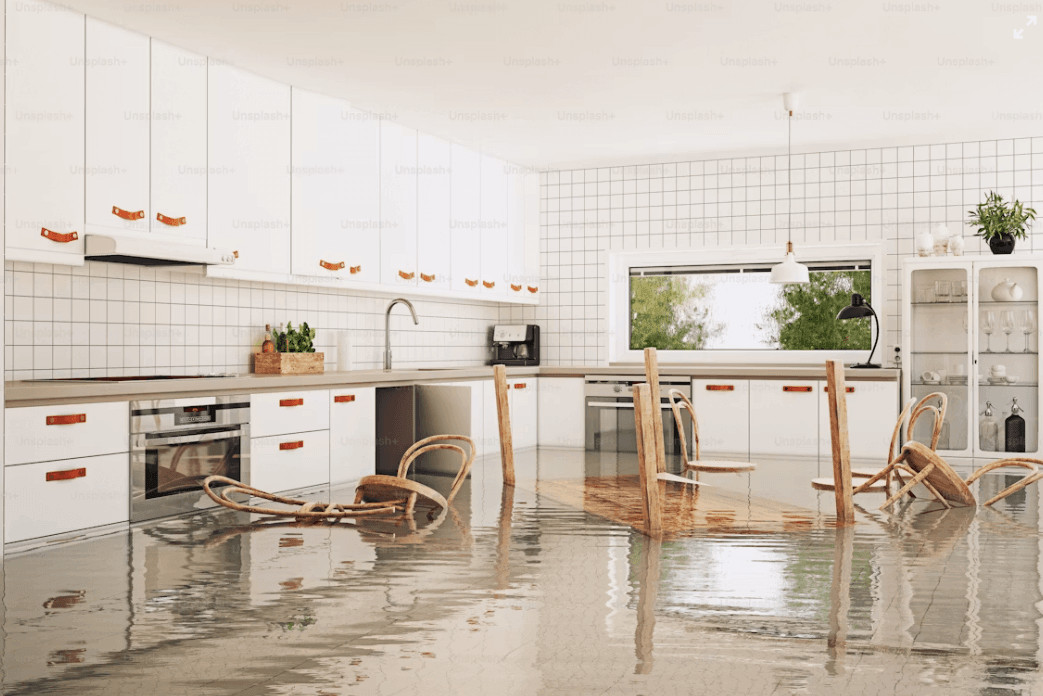
Image: Getty Images for Unsplash
Step 1: Put Safety First
Before doing anything else, make sure the area is safe to enter.
Water and electricity can create a dangerous combination. If water has reached electrical outlets, appliances, or your breaker panel, avoid entering the affected area until it’s safe to do so. If you suspect an electrical hazard, contact your utility provider or a qualified electrician before attempting any cleanup.
You should also be cautious if the water came from a sewage backup or floodwater. Contaminated water may contain bacteria, chemicals, or other harmful substances that require specialized cleanup procedures.
If you’re unsure whether it’s safe to enter your home, wait for professional guidance before beginning any cleanup efforts.
Step 2: Stop the Source of the Water
If it’s safe to do so, identify where the water is coming from and stop it as quickly as possible.
Common sources include:
- Burst or leaking pipes
- Overflowing toilets or sinks
- Washing machine or dishwasher failures
- Roof leaks
- Water heater leaks
- Sump pump failures
Turning off your home’s main water supply can help prevent additional damage if the source is related to your plumbing system.
If the damage was caused by severe weather or flooding, focus on protecting yourself and your family first before attempting any repairs.
Step 3: Document Everything for Insurance
Before moving furniture or beginning cleanup, take clear photographs and videos of the affected areas.
Document:
- Standing water
- Damaged flooring
- Wet drywall
- Furniture
- Electronics
- Personal belongings
- Visible water stains
Good documentation can help support your insurance claim and provide a record of the damage before restoration begins.
If possible, make a list of damaged items along with their estimated value. Keeping receipts or warranty information for expensive belongings may also be helpful during the claims process.
Step 4: Remove Excess Water if You Can Do It Safely
The sooner standing water is removed, the better.
For small amounts of clean water, you may be able to use:
- Towels
- Mops
- Buckets
- A wet/dry vacuum designed for water removal
However, avoid using household vacuum cleaners unless they’re specifically designed for wet conditions.
Opening windows, improving airflow, and using fans may also help slow moisture buildup while waiting for professional restoration technicians to arrive.
Keep in mind that these temporary measures only remove surface water. Moisture trapped beneath flooring and inside walls often requires specialized drying equipment to prevent long-term damage.
Step 5: Protect Furniture and Valuables
Once the immediate water source has been addressed, focus on protecting items that haven’t already been damaged.
Whenever possible:
- Move furniture away from wet areas.
- Place aluminum foil or wood blocks beneath furniture legs.
- Remove rugs if they can be safely lifted.
- Relocate important documents, electronics, and valuables to a dry location.
- Hang wet fabrics to improve airflow.
Avoid walking repeatedly across wet carpet, as this can spread moisture and push water deeper into carpet padding.
Step 6: Begin Drying the Affected Areas
Even after standing water has been removed, moisture often remains hidden inside walls, ceilings, subfloors, and insulation. Without proper drying, these damp areas can continue to deteriorate and create conditions for mold growth.
Professional restoration companies use specialized equipment that goes far beyond household fans or portable dehumidifiers. Commercial air movers, industrial dehumidifiers, and moisture meters are designed to remove trapped moisture from building materials and verify that the structure has been thoroughly dried.
While opening windows and improving airflow may help in some situations, they should not replace professional drying methods, especially after significant water damage. Proper drying is one of the most important steps in restoring your property and preventing future problems.
Watch for Signs of Mold Growth
One of the biggest concerns after water damage is mold.
Mold can begin developing within 24 to 48 hours when excess moisture remains inside a home. Once it starts growing, it can spread behind walls, beneath flooring, and inside HVAC systems, making cleanup more difficult and expensive.
Some early warning signs include:
- Musty or damp odors
- Dark spots on walls or ceilings
- Peeling paint or bubbling drywall
- Increased allergy symptoms indoors
- Visible discoloration around damp areas
Understanding what black mold is and why it can be dangerous can help homeowners recognize the importance of acting quickly after water damage. Prompt drying and moisture removal are the best ways to reduce the risk of mold developing and protect your home’s indoor environment.
Common Mistakes Homeowners Make After Water Damage
It’s natural to want to handle everything yourself, but certain mistakes can make the damage worse.
Waiting Too Long to Call for Help
Water continues to spread and soak into building materials even after the leak has stopped. Delaying professional restoration often results in more extensive repairs and higher restoration costs.
Assuming Everything Is Dry
Just because floors and walls feel dry doesn’t mean hidden moisture is gone. Water can remain trapped behind drywall, under flooring, and inside insulation for days if not properly addressed.
Throwing Away Damaged Belongings Immediately
If you plan to file an insurance claim, document damaged items before disposing of them. Taking photos and creating an inventory can make the claims process much smoother.
Using Household Equipment for Large Water Losses
Standard fans and small dehumidifiers are not designed to dry water-damaged structures. Professional restoration equipment removes moisture more efficiently and helps prevent long-term damage.
When Should You Call a Professional Restoration Company?
While minor spills can often be handled at home, larger water damage situations require professional attention.
You should contact a restoration company immediately if:
- Water has affected multiple rooms.
- Drywall or ceilings have become saturated.
- Water has reached electrical outlets or appliances.
- A sewage backup has occurred.
- Floodwater has entered the property.
- Standing water has remained for several hours.
- You notice signs of mold growth.
- The source of the leak is unknown.
Final Thoughts
Water damage can feel overwhelming, but acting quickly can significantly reduce the impact on your home and your wallet.
By prioritizing safety, stopping the source of the water, documenting the damage, protecting your belongings, and contacting experienced restoration professionals as soon as possible, you give your property the best chance of a successful recovery.
Remember that water damage isn’t always limited to what you can see. Hidden moisture can continue causing damage long after surfaces appear dry, making professional inspection and drying an important part of the restoration process.
Need Fast Water Damage Restoration in Brookfield?
When water damage strikes, every minute matters. Whether you’re dealing with a burst pipe, flooding, or a leaking appliance, prompt action can help reduce damage and speed up recovery.
Working with experienced restoration professionals ensures your property is properly inspected, dried, and restored using proven techniques and commercial-grade equipment, giving you confidence that your home is protected from further damage.
Frequently Asked Questions
How quickly should I respond to water damage?
Immediately. The sooner water is removed and drying begins, the better the chances of minimizing structural damage and reducing the risk of mold growth.
Can I clean up water damage myself?
Small spills may be manageable, but significant water damage often requires professional equipment to remove hidden moisture and prevent long-term problems.
How long does the water damage restoration process take?
The timeline depends on the extent of the damage, the affected materials, and how quickly restoration begins. Minor incidents may take a few days, while larger losses can require more time.
Will my homeowner’s insurance cover water damage?
Coverage depends on the cause of the damage and the details of your insurance policy. Many restoration companies can assist with documenting damage and communicating with your insurance provider.
How can I reduce the risk of mold after water damage?
Remove standing water as quickly as possible, begin drying affected areas immediately, improve ventilation where it’s safe to do so, and have your property professionally inspected to ensure hidden moisture has been eliminated.