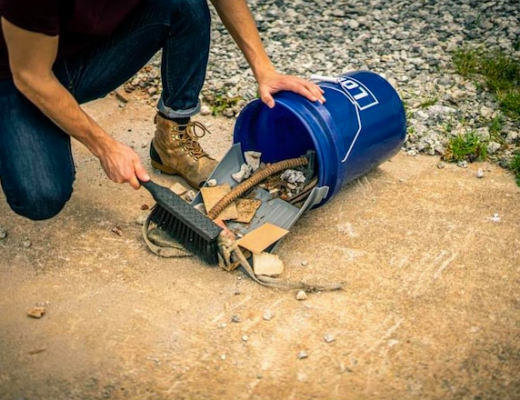
Picture a typical Saturday morning: coffee in hand, you’re standing in the garage looking at a shelf full of caulk, weatherstripping, traps, and half-used cans of ant spray. A few ants showed up in the kitchen, so you treated them. They disappeared for a while. Now they’re back.
For homeowners who like to handle repairs themselves, reaching for a DIY solution makes sense. Small pest problems can often be managed by sealing gaps, removing food sources, fixing moisture issues, or setting a few traps. But when pests keep returning, another trip to the hardware store may not solve much.
Like a renovation that reveals a bigger issue behind the drywall, recurring pest activity often points to something you can’t see. A nest may be hidden in a wall. Mice may be using an opening you missed. Moisture under a sink or in a crawlspace may be attracting insects. Finding that source can matter more than the product you use.
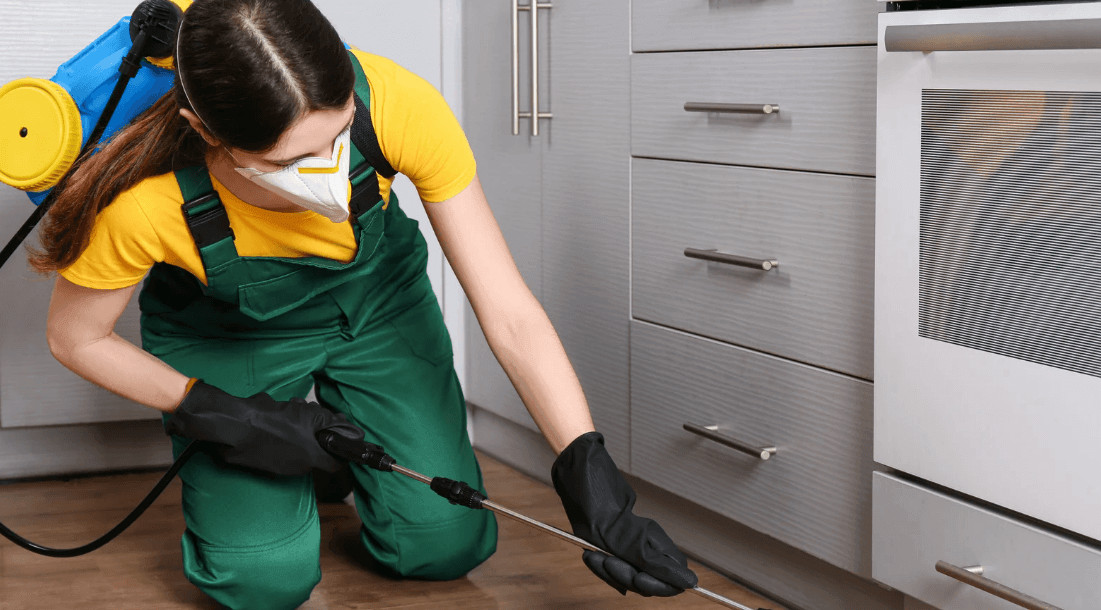
The DIY Pest Control Trap: Why Store-Bought Solutions Sometimes Fail
DIY pest control works well for some jobs. A few ants coming through an open window or a mouse entering through an obvious gap may have a simple fix. Find the opening, seal it, clean up anything attracting the pest, and monitor the area.
Problems get harder when you can’t find the source. Many store-bought sprays kill insects they directly contact, which can make a treatment look successful even when a nest remains behind a wall, beneath a slab, or somewhere else you can’t reach.
Rodents present a similar problem. Mice can squeeze through surprisingly small openings. You might catch one in the kitchen while others continue entering through a gap around a pipe, foundation, garage door, or utility line. Adding more traps won’t close that opening.
Weather, vegetation, housing design, and moisture can also affect where pests show up. Homeowners facing a recurring local problem may benefit from a Dublin pest control professional who knows which pests are common in the area and where they typically enter or hide.
For a stubborn infestation, identifying the nest, entry route, or condition attracting the pests is usually the most useful first step.
The Hidden Cost of Incomplete Pest Treatment
One reason DIY pest control gets expensive is that the individual purchases seem cheap. A can of spray here and a box of traps there doesn’t feel like much. Repeat the process several times, though, and the total starts looking different.
The routine is familiar: treat the visible pests, wait, see activity return, and buy something else. Meanwhile, the foundation gap, leaking pipe, damp crawlspace, damaged screen, or opening around a utility line is still there.
Some pest problems can also become more difficult when treatments are incomplete or poorly matched to the species involved. Certain insect populations can develop pesticide resistance over time. Some social insects may establish additional colonies depending on the species and treatment method. Rodents may simply avoid a poorly placed trap and continue traveling along another route.
Then there’s the damage you may not notice right away. Termites and other wood-destroying insects can remain hidden while feeding on structural materials. Rodents can damage insulation, contaminate storage areas, and chew wiring. By the time the evidence becomes obvious, the repair can be a much bigger job than the original pest problem.
When Should You Stop DIY Pest Control?
There’s no need to call a pest company every time you spot an ant. A better measure is whether your DIY approach is actually changing what you see around the house.
It may be worth calling a professional if:
- Pests return soon after treatment.
- You find activity in several rooms or areas of the house.
- You hear rodents inside walls, ceilings, or the attic.
- You can’t figure out where pests are entering.
- You suspect termites or other wood-destroying insects.
- Droppings, nests, or property damage continue to appear.
- You’ve sealed the obvious openings but activity continues.
- The job requires products or treatment methods you aren’t comfortable using safely.
A pest sighting with an obvious cause is usually easier to tackle yourself. Finding fresh droppings after you’ve already sealed gaps and set traps is a different problem. At that point, another round of the same treatment may only cost you another weekend.
What a Professional Inspection Can Find
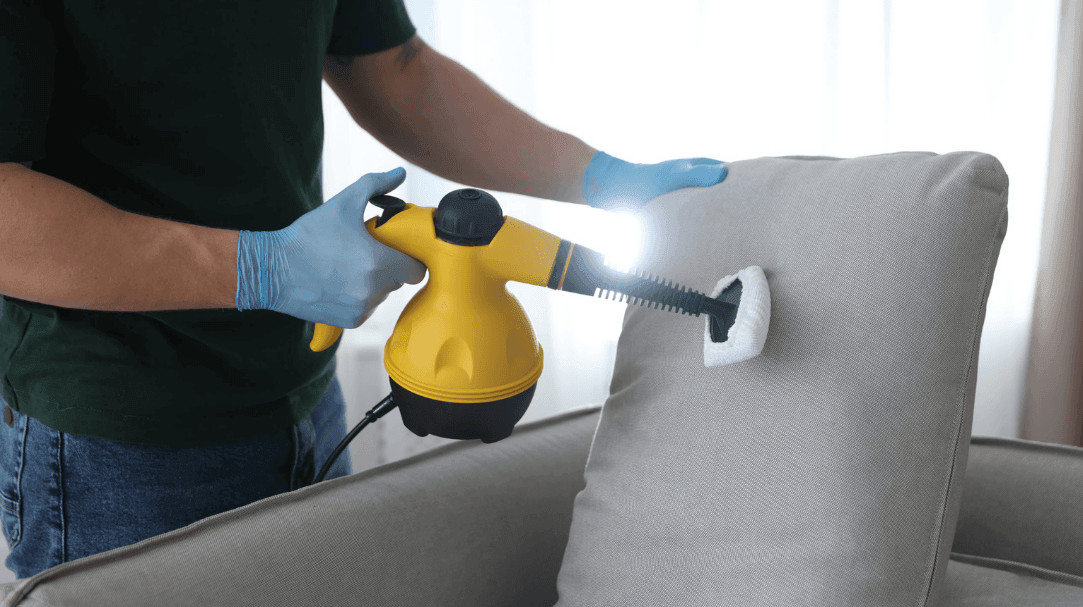
Hiring a licensed pest professional doesn’t necessarily mean someone arrives and starts spraying. The inspection can be the most valuable part of the visit.
A technician can look for small openings around the foundation, utility penetrations, moisture sources, nesting areas, droppings, damaged materials, and other clues that help identify both the pest and its route through the house.
Once the source is clearer, the response can be more targeted. Depending on the problem, that might involve bait, traps, exclusion work, monitoring, sanitation changes, repairs to entry points, or pesticide treatment.
According to Consumer Affairs, pest control professionals bring experience identifying and treating different types of infestations. Correct identification is important because a treatment that works for one species may do little for another.
Anyone who has opened a wall during a remodel and found more damage than expected knows the value of diagnosing a problem before fixing the surface. The same principle comes up in common renovation mistakes to avoid: figure out what caused the damage before spending time and money covering it up.
Does Professional Pest Control Save Money?
A bottle of spray or a pack of traps will almost always cost less than a professional service call. For a minor problem, that may be all you need.
The calculation changes when you keep buying products for the same infestation. Add the cost of sprays, traps, bait, repeat hardware-store trips, cleanup, and repairs, then include the hours spent checking whether each attempt worked.
Professional service isn’t cheap, but the cost becomes easier to judge when you compare it with what an unresolved infestation can lead to. Recent estimates give homeowners a useful starting point:
| Pest control cost or trend | Estimated figure |
| Homeowners who attempt DIY pest control | 74% nationwide |
| Professional single-visit treatment | $250 to $650 |
| Quarterly pest control plan | $300 to $900 per year |
| Typical termite damage before detection | $3,000 to $5,000 |
These figures aren’t a price quote, and costs vary by pest, property, location, and the amount of work required. They do show why the cheapest treatment on day one isn’t always the least expensive option by the time the problem is resolved.
If you’ve already spent two weekends treating the same infestation, that time belongs in the calculation too. Early professional help can be particularly valuable when there’s a risk of property damage. Termites, rodents, and other pests can cause problems in places homeowners rarely inspect.
That still doesn’t make professional service the right answer for every situation. If you know how the pest got in and can correct the problem, start there. If you’re on your third treatment and still finding fresh signs of activity, paying someone to locate the source may be cheaper than making another hardware-store run.
Factor in the Weekend, Too
DIY projects take time, but usually there’s something to show for that time when the job is finished. You install the shelf, repair the gate, seal the window, or replace the faucet.
Repeated pest treatments can be different. An afternoon spent spraying and setting traps feels less productive when you’re doing it again three weeks later.
Keep the DIY approach when you can identify the problem and see that your fix is working. Seal the gap. Remove the food source. Repair the screen. Dry out the damp area. Set the right trap in the right place and keep an eye on it.
When those fixes don’t change the activity, bring in someone who can find what you missed. That leaves the next Saturday open for a project you actually wanted to work on.