Every three years, thousands of electricians, engineers, and manufacturers sit down and rewrite the rules that keep your house from burning down. That isn’t an exaggeration. The National Electrical Code, the benchmark used across most of the country, gets revised on that cycle, and each revision runs hundreds of pages. The changes rarely make headlines, but they shape everything from the outlets in your kitchen to the wiring behind your EV charger.
Here’s the part most homeowners miss: these codes aren’t handed down from on high. They’re built by the very people who install, inspect, and manufacture electrical systems. So when you wonder why an electrician tells you a new kitchen needs GFCI outlets or why your panel upgrade suddenly requires new breakers, the answer lives in how the industry collaborates to write the rules in the first place.
What Actually Drives a Code Change?
Codes don’t change because someone got bored. They change because something failed, because technology moved faster than the old rules, or because a hazard became impossible to ignore.
Think about arc-fault circuit interrupters, or AFCIs. They exist because investigators kept finding fires caused by damaged wires that ordinary breakers never caught. The evidence piled up, fire marshals pushed for a fix, and the code responded. That’s the pattern: a problem gets documented, data gets collected, and the next revision cycle builds in a solution.
Fire statistics from the National Institute of Standards and Technology have driven many of these changes. When researchers quantify how often faulty wiring starts fires, code panels have concrete numbers to justify a new requirement. No data, no change. That’s the quiet truth behind every updated section.
Technology pushes just as hard as tragedy. Twenty years ago, no code panel had to think about solar panels on every third roof or bidirectional EV chargers feeding power back into a home. Now those systems are routine, and the rules have to catch up with how people actually use electricity.
Who Shows Up to Write the Rules?
The National Electrical Code isn’t written by a single agency locked in a government office. It’s assembled through a public process where anyone with a stake can submit a proposal, and then a panel of experts votes on it.
Here’s what that room looks like: representatives from utilities, electrical contractors, fire marshals, labor unions, testing labs, and consumer groups. They argue, they trade studies, and they vote. Manufacturers sit at that table too, which sounds like a conflict until you realize they’re the ones financing most of the research on new products. The system balances their profit motive against the safety focus of inspectors and the practical concerns of the electricians who actually install the gear.
If you want to understand how that coalition functions, the electrical industry association plays a central role in coordinating contractors, advocating for practical enforcement, and feeding real-world installation experience back into the revision process. Contractors see what fails in the field long before engineers do, which makes their input essential to writing rules that hold up.
What surprises most homeowners is how much of this process runs on volunteer labor. Experienced electricians sit on code panels alongside engineers and give up weeks of their time. They do it because the code only works if the people enforcing it can actually install what it requires.
A Recent Shift You Already Live With
You don’t need to read the code to feel its effects. Look at the outlets in your garage or near your kitchen sink. Those are GFCI receptacles, and they exist because code panels decided that protecting people from shock mattered more than saving a few dollars per outlet.
The same thing happened with tamper-resistant receptacles, the ones with the internal shutters that keep kids from sticking things into them. Builders hated the added cost when the requirement first landed. Now they’re standard in every new home, and childhood electrocution rates tell the story. The change worked.
Workplace safety rules follow a similar curve, and the Occupational Safety and Health Administration, or OSHA, often aligns its construction standards with updates to the electrical code. When a residential job site falls under federal oversight, those parallel updates mean contractors train on the same rules homeowners eventually live with.
How to Know if a Change Actually Matters for Your Home
Here’s the practical question: when does a code change affect you, and when is it just noise?
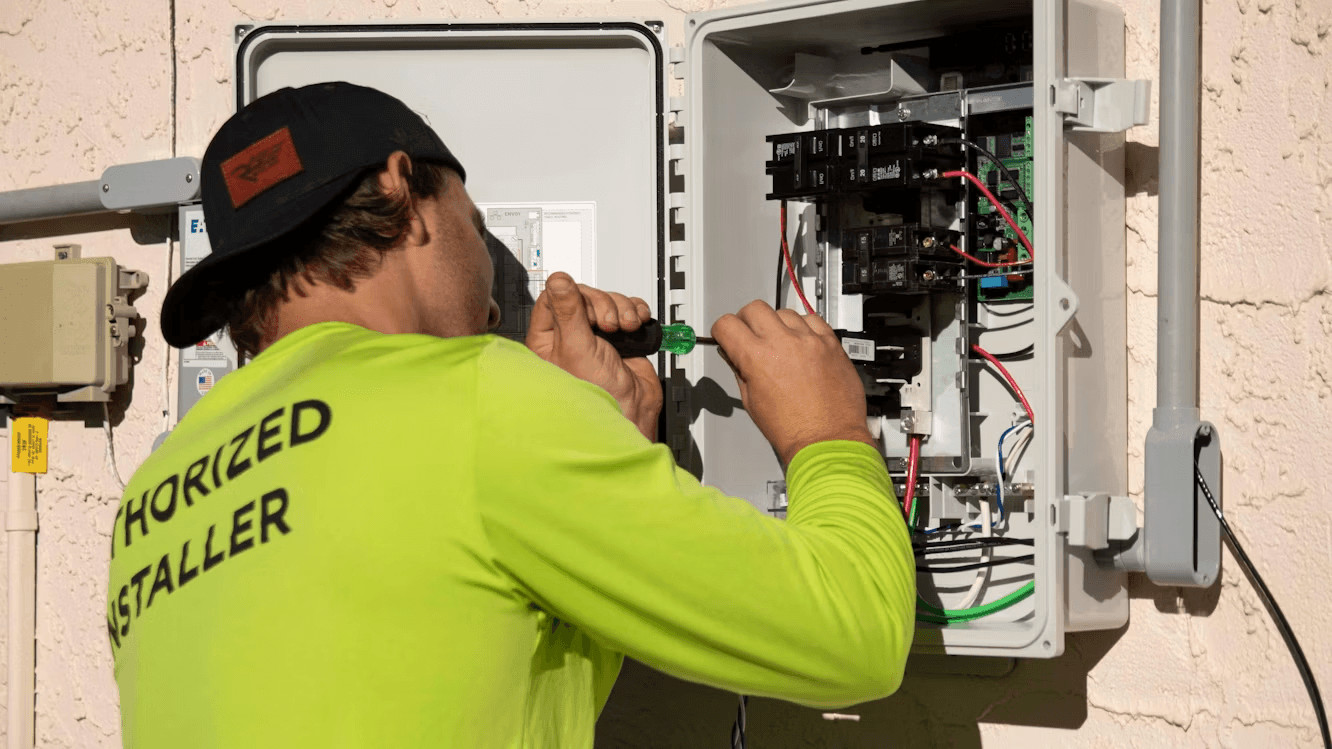
The honest answer is that most changes matter more to builders than to people living in existing homes. Codes in most jurisdictions apply when you renovate or add something new. Your existing wiring isn’t suddenly illegal because the code got stricter. It only has to meet the current standard when you touch it.
Still, a few changes are worth knowing about before you hire anyone:
- Kitchen and bathroom circuits now demand more dedicated runs, so an older home may need a panel upgrade during a remodel.
- Outdoor and garage outlets require GFCI protection, even in homes built before the rule existed if you’re having work done.
- EV charger installations forced a whole new set of rules for load calculations, and many older panels simply lack the capacity.
When an electrician mentions a code requirement during an estimate, ask which edition of the code your area adopted. Most states lag the latest release by a year or two. A contractor quoting the newest rules in an area that hasn’t adopted them yet might be overselling you, or they might be preparing you for what passes next cycle.
Why You Should Care About the Next Revision
The next code cycle is already underway, and it will touch your life in ways you can’t predict. Energy storage systems are the big one. Homes with battery backup used to be rare enough that codes treated them like commercial installations. Now that batteries sit in garages and closets, the rules need to address fire containment, ventilation, and how those systems interact with the grid.
That same shift is pushing changes to how homes handle electric appliances. As more jurisdictions phase out natural gas hookups in new construction, the code has to account for higher electrical loads from heat pumps, induction ranges, and heat pump water heaters. The Department of Energy tracks appliance efficiency trends that feed directly into these load calculations.
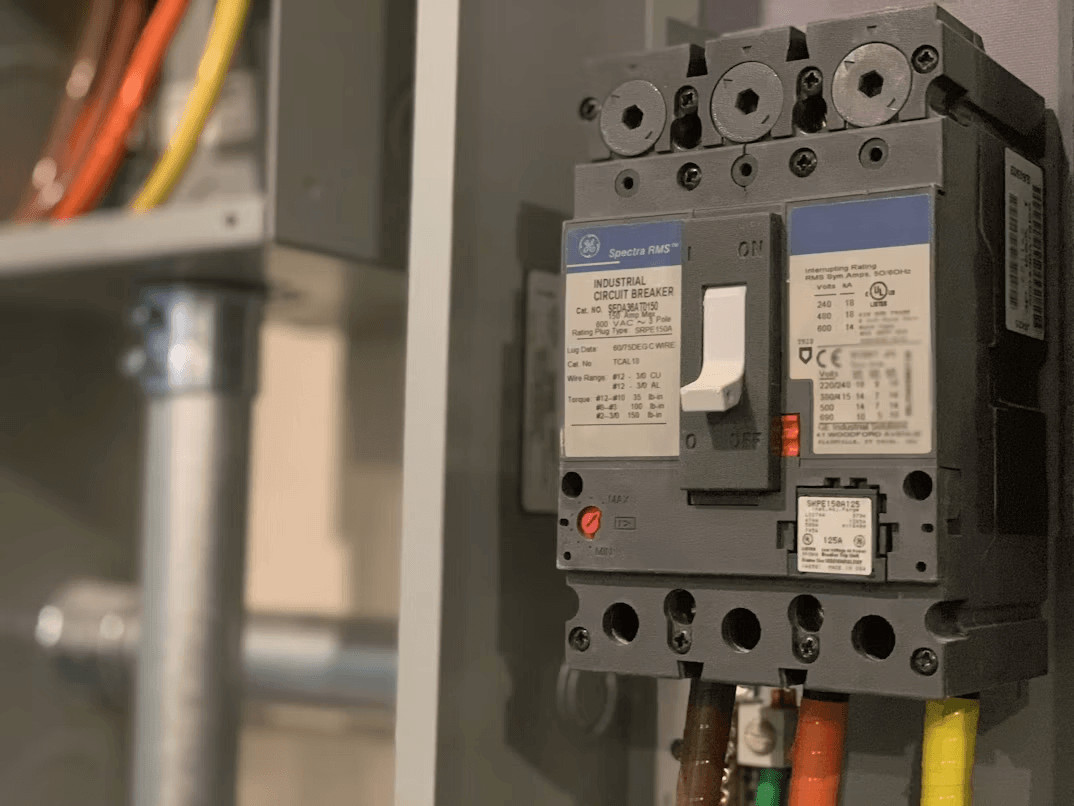
The broader point is that code revisions reflect where the country is headed, not where it’s been. Every panel discussion about battery storage or bidirectional charging is a bet on how homes will use power in the coming decades.
What This Means When You Hire an Electrician
You don’t need to memorize the code. You need to hire someone who stays current with it and can explain the reasoning behind their recommendations.
A good electrician won’t just tell you that a new panel costs six grand. They’ll show you why the existing panel can’t handle the load you’re asking for, and they’ll point to the specific code section driving the requirement. If they can’t do that, treat it as a yellow flag.
Also worth asking: does your local inspector enforce the latest adopted edition, and are they strict about it? Inspectors are the enforcement arm of the code, and their interpretation determines what actually gets built. A contractor who knows the local inspector’s preferences will save you from failed inspections and rework.
One more thing. When you see a contractor grumbling about a new requirement, remember that the grumbling is part of the system working as designed. Pushback from the field is how bad ideas get caught before they become law. The code improves precisely because the people it regulates argue with it.
So the next time an outlet in your kitchen looks different from one in your parents’ house, you’ll know why. A room full of people studied the failures, argued about the fixes, and voted on a rule that eventually kept you safer. It’s a slow, messy process, and it works.