For years, word of mouth has been the backbone of home service businesses. A happy customer tells a neighbor. A neighbor calls for a quote. A family member recommends the plumber, roofer, electrician, landscaper, cleaner, or HVAC technician who showed up on time and did the job right.
That kind of trust still matters. In many ways, it matters more than ever.
But in 2026, word of mouth alone is no longer enough to keep a home service business visible, competitive, and growing. The way people choose service providers has changed. Referrals still spark interest, but customers usually verify that referral online before they make the call. They look at reviews. They compare websites. They check service areas. They scan photos, pricing clues, response times, and Google Business Profiles.
A recommendation may open the door, but your digital presence often decides whether someone walks through it.
Referrals now happen in a digital world.
A customer might still hear your name from a friend at a backyard barbecue, in a neighborhood group, or during a quick conversation after school pickup. But what happens next is different from what happened ten years ago.
They search for your business name.
They look for your reviews.

They check whether your website feels current.
They compare you with two or three other companies that appear nearby.
BrightLocal’s 2025 research found that consumers continue to rely heavily on reviews when evaluating local businesses, and its consumer search behavior research also shows how dominant online search remains in local discovery. Google accounts for 70 percent of general online searches, and nearly three in five consumers search online multiple times a day.
That means even a warm referral is rarely the end of the decision. It is the beginning of a short research process.
For home service businesses, this matters because trust is built in layers. A neighbor’s recommendation is one layer. Your online reputation is another. Your search visibility is another. Your website experience is another. When all of those layers support each other, the customer feels confident. When one is missing, hesitation creeps in.
Customers want proof before they call.
Home services are personal. A customer is inviting someone into their home, trusting them with repairs, safety, comfort, and sometimes a large amount of money. That makes proof essential.
A homeowner looking for a roofer may have heard good things from a friend, but they still want to see completed projects. A parent hiring a cleaning company wants signs of reliability. Someone with a broken furnace wants a fast response, clear service information, and reassurance that the company knows what it is doing.
This is where word of mouth reaches its limit.
It can tell people you are good. It cannot always show them why.
Your website, reviews, photos, service pages, local search presence, and helpful content all work together to make that trust visible. They help answer the quiet questions customers may not ask out loud. Are they legitimate? Do they serve my area? Do they handle my specific issue? Are they responsive? Do other people like me trust them?
In 2026, the businesses that win are not always the ones with the most referrals. They are often the ones who make customers feel sure the fastest.
Search visibility captures demand you would otherwise miss.
Word of mouth works best inside existing networks. That is useful, but it also limits reach.
A homeowner who just moved into town may not know whom to ask. A landlord managing several properties may need a new vendor quickly. A busy family may search “emergency plumber near me” instead of texting five friends. A commercial property manager may compare providers online before ever speaking to anyone.
These customers may be ready to buy, but they will not find you through referrals if they are outside your current customer circle.
This is why search visibility is so important. Local SEO helps your business appear when people are actively looking for what you offer. It connects your service with intent, which is one of the strongest signals in marketing.
A strong local presence can help you show up for searches related to your services, your city, nearby neighborhoods, urgent needs, and specific problems. For a home service company, that could mean appearing when someone searches for drain cleaning, AC repair, roof leak repair, pest control, garage door installation, or lawn care near them.
Working with an SEO strategy agency can help home service businesses build this kind of visibility with more structure, from technical website improvements to local content, keyword targeting, and authority building.
Reviews are the new neighborhood reputation.
In the past, reputation spread mainly through personal conversations. Today, much of that reputation lives online.
A five-star rating does not replace a personal recommendation, but it supports it. Recent reviews show that your business is active. Detailed reviews show what customers value. Owner responses show professionalism. A steady pattern of feedback tells prospects that your company is not just good once in a while, but consistently reliable.
BrightLocal’s review research points to an important shift. Consumers are not only looking for positive ratings, but they are also reading the details of both positive and negative reviews to form their own opinions.
That is especially important in home services because customers are often trying to reduce risk. A thoughtful review about a technician arriving on time, explaining the issue clearly, cleaning up afterward, and charging fairly can be more persuasive than a generic claim on a homepage.
Reviews make your reputation searchable, visible, and scalable.
Competitors are not waiting for referrals.
Another reason word of mouth is not enough is simple. Your competitors are investing in digital visibility.
They are optimizing their Google Business Profiles. They are publishing service area pages. They are collecting reviews. They are running paid ads. They are improving their websites. They are showing up in map results and search results at the exact moment customers are deciding whom to contact.
Even if your company does better work, the customer may never know that if a competitor appears first, looks more credible, and makes it easier to request service.
This is a hard truth for many established home service businesses. Good work deserves attention, but good work does not automatically create online visibility. The internet does not reward craftsmanship by default. It rewards relevance, authority, consistency, and user experience.
That does not mean referrals are outdated. It means they need support.
AI search is changing discovery, too.
Search is also becoming more complex. Customers are not only using traditional search engines. They are asking AI tools for recommendations, summaries, comparisons, and explanations. They may ask which type of contractor they need, what a repair should cost, or how to choose between local providers.
A 2026 Semrush study reported by Business Insider found that many marketers are still struggling with AI search visibility, and only 22 percent of surveyed US marketers said they had a fully integrated AI search and SEO strategy.
For home service businesses, this points to a bigger lesson. Your online footprint needs to be clear, consistent, and trustworthy across different places. Your website, listings, reviews, content, and brand mentions all help search systems understand who you are and when to recommend you.
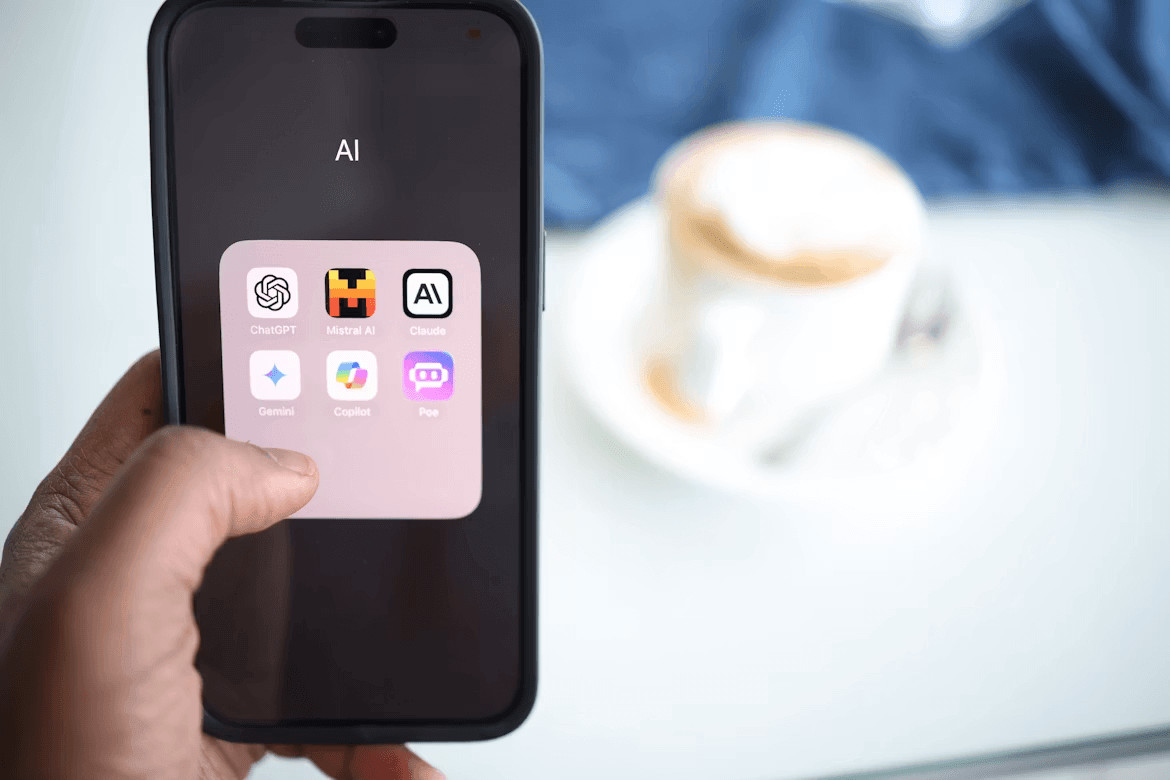
If your information is thin, outdated, or inconsistent, you may be harder to surface.
A stronger marketing foundation makes referrals more valuable.
The goal is not to replace word of mouth. The goal is to make it work harder.
When someone hears your name and searches for you, they should find a business that feels active, professional, and easy to trust. When they land on your website, they should understand what you do, where you work, and how to take the next step. When they read your reviews, they should see real evidence of care and competence.
That kind of foundation turns a casual referral into a serious lead.
It also creates stability. Word of mouth can be unpredictable. Some months are busy. Others are quiet. Digital visibility gives you another channel for demand, one that can keep working even when referral volume slows.
A healthy growth strategy for a home service business in 2026 should include both human trust and online discoverability. Referrals bring warmth. Search brings reach. Reviews bring proof. Content brings clarity. Your website brings conversion.
Together, they create momentum.
The businesses that adapt will be easier to choose.
Homeowners are busy. They do not want to spend hours researching every service provider. They want confidence. They want clear answers. They want to know that the company they call will show up, solve the problem, and treat their home with respect.
Word of mouth can still create that first spark of confidence.
But in 2026, customers expect more. They expect to find you online. They expect your reputation to be visible. They expect your website to answer basic questions. They expect proof before they call.
Home service businesses that understand this will have an advantage. They will not depend only on being remembered. They will be discoverable when customers need them most.
And that is the real shift. Word of mouth still matters, but it should no longer carry the whole business. It should be part of a broader system that helps people find you, trust you, and choose you with less hesitation.