Every July, the same call floods into HVAC dispatch lines: my house hit 84 degrees, the air coming out of the vents feels like nothing, and it is 102 outside. That timing is not bad luck. An air conditioner that has been coasting all spring gets stress tested in a way that nothing else in your house ever does, and the day it fails is almost always the day you need it most.
Here is the short version. Your AC runs longest, works hardest, and pulls the most electrical current during a heat wave. Every weak point that survived an easy May gets pushed past its limit in a brutal August. The good news is that most of these failures announce themselves weeks in advance. You just have to know what to listen for. If you would rather hand it off, the denver ac repair experts see this pattern all summer, and a proper tune up is cheaper than an emergency visit in the middle of a heat advisory. But you can catch a lot of it yourself, and that is what the rest of this is about.
What a Heat Wave Actually Does to Your System
An air conditioner does not cool air. It moves heat. The refrigerant loop picks up heat from inside your house and dumps it into the outdoor air through the condenser coil. The bigger the gap between indoor and outdoor temperature, the harder that transfer gets. On a 78 degree day, your system coasts. On a 102 degree day, it runs nonstop and still might lose ground.
That continuous runtime is the real killer, because it exposes parts that never get stressed otherwise.
The capacitor that starts your compressor heats up cycle after cycle. The contactor that switches the compressor on and off starts pitting. Your blower motor runs for six hours straight instead of twenty minutes at a time. None of these parts fail because they are defective. They fail because they finally got used the way they were designed to be used. My honest take after watching this play out for years: a heat wave does not create problems, it reveals them. The unit that dies on the hottest day was already on borrowed time in June.
Does a dirty filter really matter that much?
Yes, and it is the least glamorous fix on this list. A clogged filter restricts airflow across the evaporator coil. Restricted airflow means the coil gets colder than it should, which causes it to ice over. Once there is ice on the coil, air cannot pass through it, and your system is effectively blowing room temperature air while running at full power. Plenty of homeowners describe this as the AC running but not cooling, and they assume the refrigerant is low. Often it is a filter they have not changed since spring. Check it monthly during the cooling season, and swap it for a fresh one before the first real hot stretch. A five dollar filter is the cheapest insurance you will ever buy.
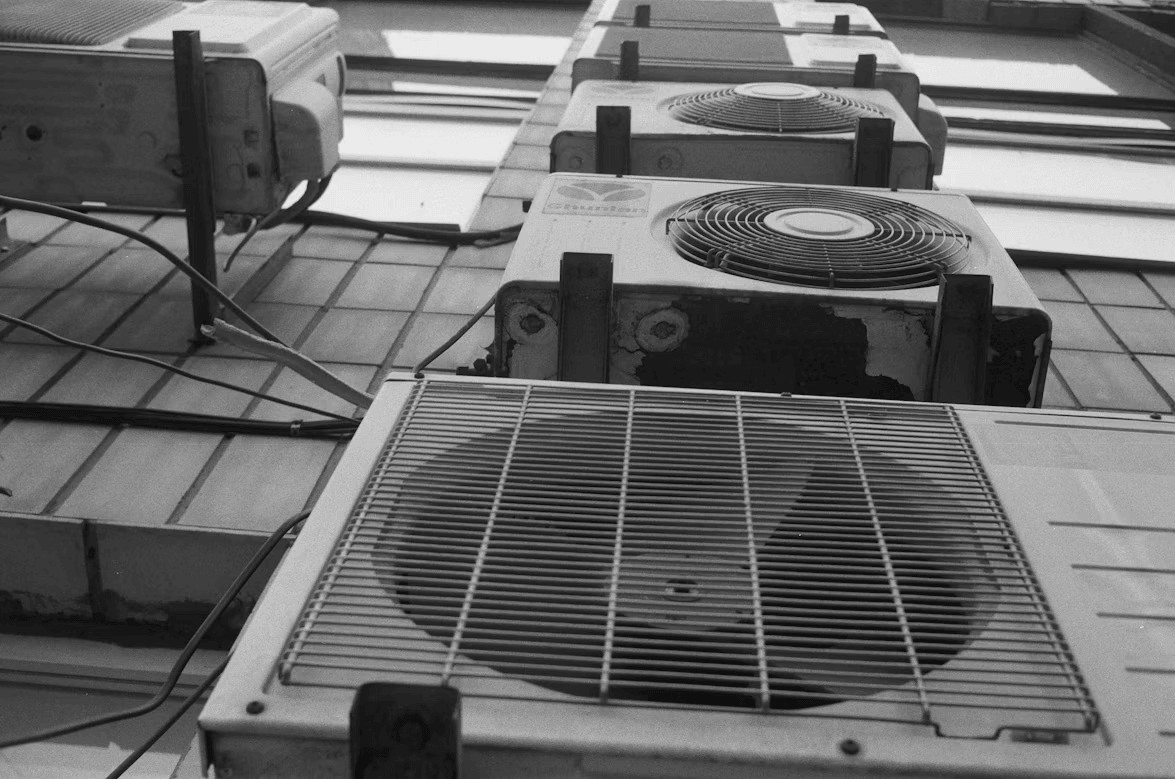
While you are at it, check the outdoor unit. According to the U.S. Department of Energy, a condenser coil clogged with dirt, leaves, or grass clippings forces the system to work harder to release heat, which drives up energy use and shortens equipment life. Give it two feet of clear space on every side and hose the fins down gently from the inside out.
Five things to check before the next hot stretch
Run through this list in about twenty minutes on a mild morning, not at 6 p.m. when the house is already uncomfortable.
- Filter: Replace it, or clean it if it is reusable. Mark the date on the frame so you stop guessing.
- Outdoor unit: Clear debris, trim back shrubs, and rinse the coil fins with a garden hose on low pressure.
- Thermostat: Swap the batteries and test a real call for cooling instead of just flipping the fan to on.
- Drain line: Find the condensate drain and make sure it is flowing. A clogged line trips the float switch and shuts the whole system down.
- Vents: Confirm every supply register is open and not blocked by a rug or furniture. Closed vents do not save money, they just pressurize the ductwork.
If the air from your vents feels weak even with a clean filter, or you hear a clicking sound at the outdoor unit without the fan starting, stop and call someone. Those two symptoms point to a failing capacitor or contactor, and running the system in that state can take the compressor with it.
The parts that fail first, and what they cost you
Almost every heat wave failure lands in one of four places. Knowing which one you are dealing with changes how urgently you need to act.
| Component | Typical symptom | Urgency |
| Run capacitor | Outdoor fan hums but does not spin, or the compressor clicks and resets | Repair now, cheap part, quick fix |
| Contactor | Unit will not start at all, or short cycles every few minutes | Repair now, inexpensive |
| Refrigerant charge | Cold air for an hour, then none; ice on the indoor coil | Needs a licensed tech, leak search required |
| Compressor | Loud grinding, breaker trips, no cooling at all | Serious, potentially a replacement decision |
Capacitors and contactors are the two most common heat wave casualties, and they are also the two cheapest to replace. That is the strange math of AC repair: the part most likely to fail is usually the part that costs the least. What you are really paying for is someone who can diagnose it fast on a day when every other house on the block is calling too.
Refrigerant is a different story. A system that is low on charge has a leak, and leaks do not fix themselves. Topping it off without finding the source is a temporary patch that costs you again next summer. The Environmental Protection Agency regulates how refrigerant is handled and requires technicians to be certified to work with it, which is one reason this repair is not a DIY job. If a tech offers to add refrigerant without a leak search, get a second opinion.
When to repair and when to replace
This is where homeowners get talked into the wrong call in both directions. My rule is simple, and it is not based on the age of the unit alone. Repair it if the system is under ten years old, the failure is a single part, and it has been reliable up to now. Replace it if you are facing a compressor failure on a unit that is already past twelve years, or if you have paid for two or more repairs in the last three cooling seasons. At that point you are renting a system instead of owning one.
One more thing worth knowing: efficiency ratings for new equipment are set through standards developed with input from the National Institute of Standards and Technology, so the number on the yellow label is not marketing fluff. When you do replace, a higher efficiency unit actually lowers the cost of every future heat wave. It just does not help you today if your house is 85 degrees right now. And if you are in a rental, document everything. Photos of the thermostat, the date you reported it, and the temperature readings give your landlord a paper trail and give you leverage if the repair drags on.
What to do the next time it happens
Write this down somewhere you will actually find it in a panic. Check the breaker, then the filter, then the outdoor unit for a tripped float switch or a blocked coil. Give it thirty minutes. If nothing changes, turn the system off at the thermostat so it stops straining, and make the call.
The homeowners who come out of a heat wave with a working AC and a small bill are almost never the lucky ones. They are the ones who changed a filter in May and noticed the fan sounding a little different in June. Prep beats panic every single time, and your system has been telling you what it needs for months. Have you listened to it yet?