Standing right next to a cranked thermostat when cold air keeps drifting through the room creates immediate frustration. Property owners turn up the dial repeatedly without seeing temperature improvements in individual spaces. Understanding why heat escapes or fails to spread evenly helps fix uncomfortable living zones. Small adjustments to equipment, insulation, and daily habits make a noticeable difference in total warmth.
Drafts and Hidden Air Leaks
Cold spots inside living spaces frequently trace back to unsealed openings near doors and baseboards. Standard habits around keeping a home warm through winter often fall short when cold outdoor air slips inside constant cracks. Sealing tiny gaps around window frames with weatherstripping helps maintain steady temperatures.
Exterior wall outlets, attic access doors, and basement rim joists frequently leak thermal energy. Unchecked drafts force heating equipment to run longer cycles without raising actual room temperatures. Simple foam gaskets installed behind outlet covers block unexpected air currents completely.
Checking perimeter walls on windy days reveals exactly where cold air enters. Walking through room by room with a lit candle or smoke stick identifies minor gaps instantly. Fixing those small leaks reduces unnecessary strain on heating units right away.
Recessed lighting fixtures built into top-floor ceilings frequently pull warm room air directly upward into cold attic cavities. Caulk or specialized fire-rated covers around light cans prevent constant chimney-effect heat loss.
Heat Escaping Through Glass Surfaces
Glass panes transfer temperature differences far faster than insulated interior walls. Reports published by window insulation specialists reference federal energy findings showing that 30% of residential heating energy escapes straight out through window panes. Single-pane designs or aging double-pane seals create constant cold zones nearby.
Adding heavy thermal curtains provides an immediate barrier against dropping evening temperatures. Closing window coverings at sunset keeps generated heat trapped inside room spaces longer. Leaving draperies open on sunny south-facing windows allows natural radiant solar energy to warm room interiors for free.
Quick window upgrades to retain heat:
- Clear plastic film kits applied across frames block drafts completely.
- Thermal blinds with honeycomb cells trap air layer by layer.
- Caulk applied around exterior window trim seals open perimeter seams.
These temporary fixes help maintain higher comfort levels throughout extreme cold snaps. Pairing window treatments with draft stoppers keeps floors much warmer.
Airflow Restrictions and Maintenance Deficits
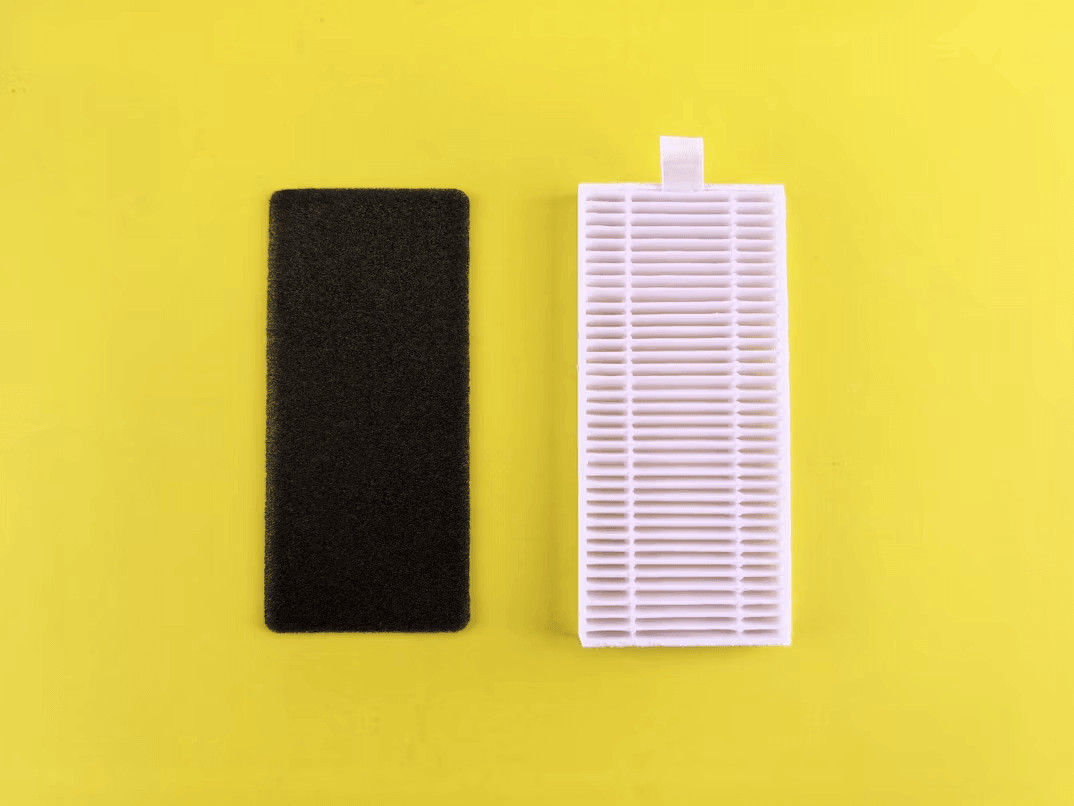
Clogged filters restrict airflow through heating equipment and prevent proper circulation. Educational resources from community energy groups point out that unsealed air leaks and structural drafts increase monthly heating costs anywhere between 5% and 30%. Clean filters allow maximum air volume to move smoothly through supply vents.
Impact of Dirty Filters on Heat Output
Dust accumulation on blower fans reduces blowing power significantly over weeks of continuous operation. Blocked return vents starve systems of air and force equipment to work twice as hard. Replacing furnace filters every 30 days keeps systems operating smoothly.
Furniture placed directly over floor registers cuts off heat delivery to specific rooms. Moving rugs, couches, and drapes away from supply openings restores balanced air distribution. Keeping return grilles unblocked allows systems to pull indoor air back easily for reheating.
Thermostat Settings and Placement Faults
Thermostat location dictates how accurately equipment measures indoor temperatures. Mounting a control unit near sunny windows or kitchen appliances tricks sensors into reading warmer ambient conditions. Relocating units to central interior hallways produces reliable heating across every room.
Outdated mechanical thermostats often lose calibration and miss target setpoints by several degrees. Digital programmable thermostats offer tighter control and automated temperature drops during overnight hours. Setting schedules matches heating cycles directly with daily household routines.
Smart thermostats allow remote adjustments from mobile phones whenever weather conditions shift unexpectedly. Proper scheduling lowers monthly energy bills without sacrificing morning comfort. Setting steady base temperatures prevents heavy equipment strain caused by constant drastic thermostat adjustments.
Heating System Capacity and Mechanical Issues
Heating systems scaled incorrectly for a home structure cause persistent comfort issues. Undersized units run continuously on cold days without ever reaching target settings on the thermostat. Oversized units shut off quickly before warmth reaches distant bedrooms or upper floors.
Aging heat exchangers and worn blower motors lose operational capability over years of heavy use. Regular professional tune-ups inspect ignition systems, clean burner assemblies, and test safety controls thoroughly. Routine maintenance keeps mechanical components running safely and smoothly.
Ignoring minor mechanical noises often leads to complete system failure during peak cold spells. Annual inspections catch small worn parts before costly breakdowns happen. System technicians examine fuel lines and electrical connections to maintain reliable heat output.
Attic Insulation Deficits and Ductwork Losses
Heat naturally rises upward toward ceilings and unheated attic spaces. Homes missing adequate attic insulation lose valuable warmth directly through the roof structure. Adding blown-in cellulose or fiberglass batts creates a thick barrier that keeps heat inside lower living areas.
Uninsulated ductwork running through cold crawlspaces or attics loses thermal energy before reaching room vents. Sealing duct joints with mastic sealant prevents warm air from escaping into empty building voids.
Key steps to secure ductwork and attic spaces:
- Seal attic access hatches with weatherstripping to block rising heat loss.
- Wrap exposed metal ductwork in foil-faced fiberglass insulation.
- Seal sheet metal duct joints using metal tape or specialized mastic.
Proper attic ventilation works together with insulation to prevent moisture buildup in winter. Balanced airflow keeps insulation dry and fully effective all season. Inspecting duct runs for loose connections prevents warm air leaks behind interior drywall.
Practical Steps to Restore Indoor Heat
Systematic troubleshooting helps restore steady comfort without requiring immediate major equipment replacement. Simple actions like reversing ceiling fans clockwise push warm air trapped near ceilings back down into living zones. Keeping interior doors open promotes consistent air movement throughout entire floor plans.
Installing heavy rugs over uninsulated hardwood floors prevents cold air from rising out of crawlspaces. Setting water heater temperatures properly adds extra comfort for daily domestic routines. Combining minor physical upgrades creates noticeable warmth in every section of the residence.
Unused fireplaces frequently let warm air escape up chimneys when dampers remain open. Installing chimney balloons or closing dampers tightly keeps heated indoor air from fleeing overhead.
Addressing heat loss requires looking at both heating equipment and complete building structure. Small fixes like sealing drafts, replacing dirty air filters, and insulating windows produce immediate improvements in home comfort. Taking structured steps ensures living spaces stay warm and welcoming regardless of severe outdoor temperatures. Simple maintenance routines preserve indoor warmth and keep heating systems running dependably for years to come.