Digital tools have changed how people plan rooms, shop for furniture, and test ideas before spending money. A 360 virtual tour service now lets a homeowner walk through a designer apartment, a furniture showroom, or a staged model home from a browser. It is not the same as scrolling through photos.
The viewer can turn, pause, compare corners, check circulation paths, and study how one material behaves beside another. For interior enthusiasts, this matters because good design is rarely about one sofa or lamp. It is about proportion, light, rhythm, and small choices that only make sense inside a room.
The demand is not small either. Grand View Research estimated the global 3D rendering market at USD 4.85 billion in 2025 and projected it to reach USD 19.82 billion by 2033. Matterport also pointed to a 2024 NAR report where nearly half of homebuyers rated virtual tours as useful. For anyone collecting inspiration, 3d virtual tour services are now a practical research tool, not just a fancy sales add-on.
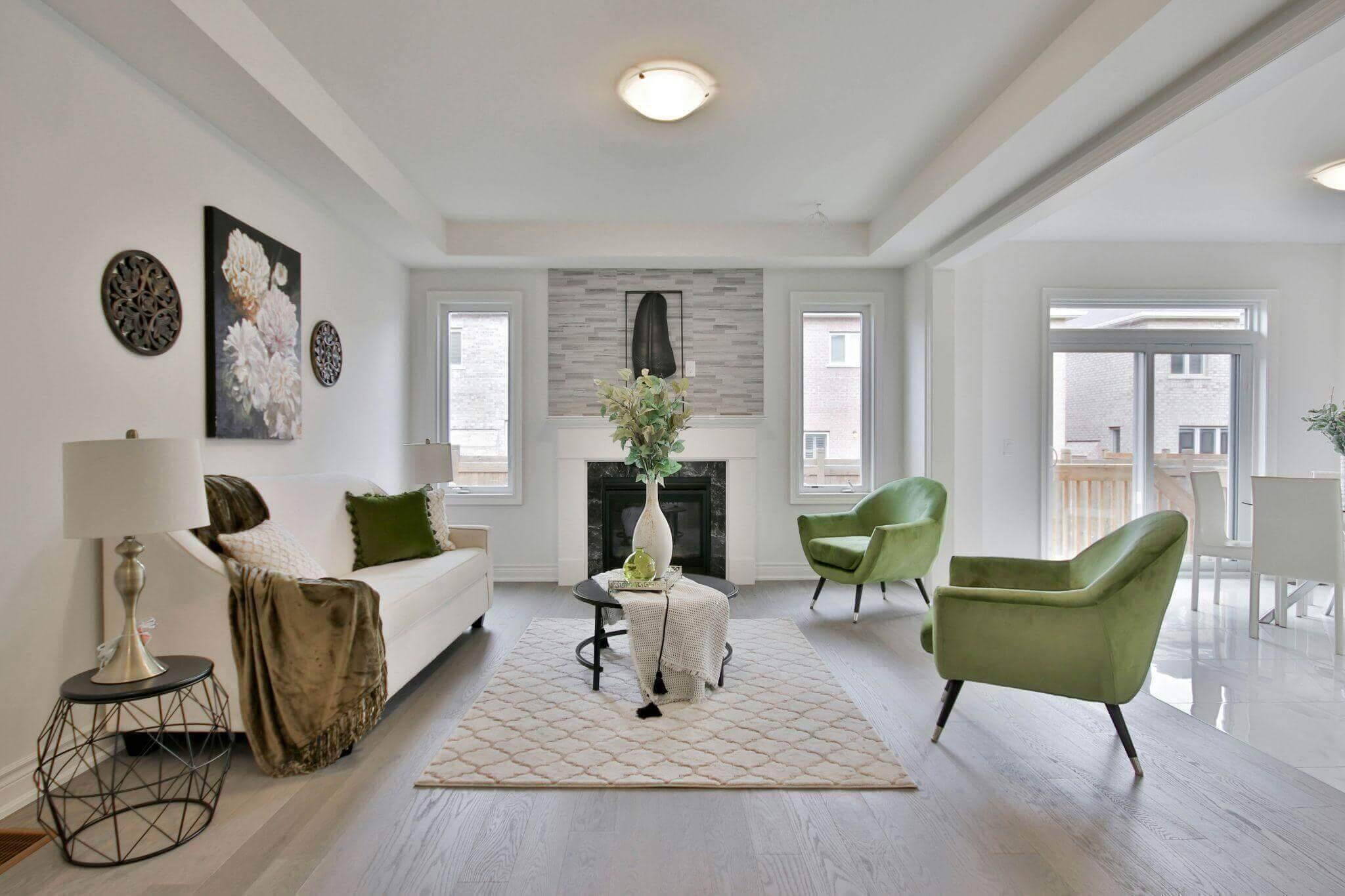
5 Leading Companies Delivering High-End 360 Virtual Tour Experiences
These companies work in different ways. Some build CGI tours. Some provide software. Others add AR or product configuration. All turn interiors into places people can inspect and revisit.
- Render Vision
Render Vision is a Germany-based architectural visualization studio that specializes in photorealistic interior and exterior renders, animations, VR walkthroughs, and browser-based interactive experiences. Its site states that the studio has delivered more than 29,000 architectural visualizations since 2012. That history makes it a strong fit for interior enthusiasts who want more than a pretty scene. The rooms feel measured and believable.
Render Vision can be described as a 360 virtual tour company for clients who need polished visual storytelling, not only technical navigation. In the paragraph about Render Vision, the phrase 360 virtual tour companies fits well because this studio stands apart from providers that only stitch views together. Their tours can show furniture placement, daylight, surface texture, and the emotional tone of a space. You can study whether a marble counter feels too cold, whether warm wood balances black metal, or whether a narrow hallway feels open.
2. Danthree Studio
Danthree Studio is a CGI agency focused on high-end product marketing for furniture, home, and living brands. Its 360-degree service page describes browser-viewable virtual showrooms and interactive brand spaces created in photorealistic 3D. That makes the studio useful for readers who care about materials. Many furniture decisions fail because a product looks fine in isolation but wrong inside a real layout.
A strong 3D virtual tour service should guide the eye to move naturally through a room. Danthree Studio uses CGI to control surfaces, light, reflections, and scale. You can notice how a velvet chair reacts to soft light, how a glossy sideboard changes the mood of a wall, or how a large modular sofa needs breathing room. In premium interiors, tiny details carry weight. A handle, a seam, or a shadow under a table can shift the whole mood.
3. VirtualTourEasy
VirtualTourEasy is more accessible than a bespoke CGI studio, but it still gives designers and architects a useful way to present spaces. Its architecture page explains that users can create tours from architectural renders or show home photography and add hotspots for materials, furniture selections, and finish options. For interior lovers, that turns a tour into a guided portfolio rather than a passive gallery.
This is where a 360-degree virtual tour service becomes educational. A designer can tag the flooring choice, explain why a storage wall replaces loose cabinets, or show two options for the same room. A visitor can move slowly and understand the logic behind the design. The tour keeps the context intact. You are not looking at a chair, then a lamp, then a rug as separate products. You see how they work together in one composition.
4. ArredoCAD
ArredoCAD is an interior design software suite known for tools that help users create, render, and present furnished spaces through 360-degree virtual tours. Its virtual tour materials describe online exploration of 3D spaces and support for immersive viewing, including Meta Quest integration. For homeowners, this tool is useful because it keeps the design tied to proportions rather than just style.
ArredoCAD is also a good example of how 360-degree virtual tour services can support practical decisions. A kitchen layout can be viewed from several perspectives, making cabinet height, aisle width, island placement, and appliance flow easier to read. Some users search for 360 virtual tour services when they need this exact function: a way to move through a furnished plan before anything is built. A bold wall color or dark bathroom finish is less risky when you can see it across the whole room.
5. Deptho.ai
Deptho.ai brings another angle to the topic. The company offers AI-driven item placement, AR, virtual showrooms, and tools for furniture and decor visualization. Its blog describes 3D-modeled spaces where clients can configure fabrics, colors, product arrangements, and various scenarios. This is close to how many people now make home decisions: they want to test options quickly, compare them, and feel more certain before buying.
A 360-degree virtual tour agency with this kind of AR logic can help users move from inspiration to testing. You might like a curved sofa in a showroom, but does it match a low coffee table, a pale floor, and limited natural light? Deptho.ai’s approach points toward interactive rooms where fabrics, upholstery, and layouts can change in real time. The company also cites research showing that 56% of consumers say AR increases confidence in product quality, while 61% prefer retailers that offer AR experiences.
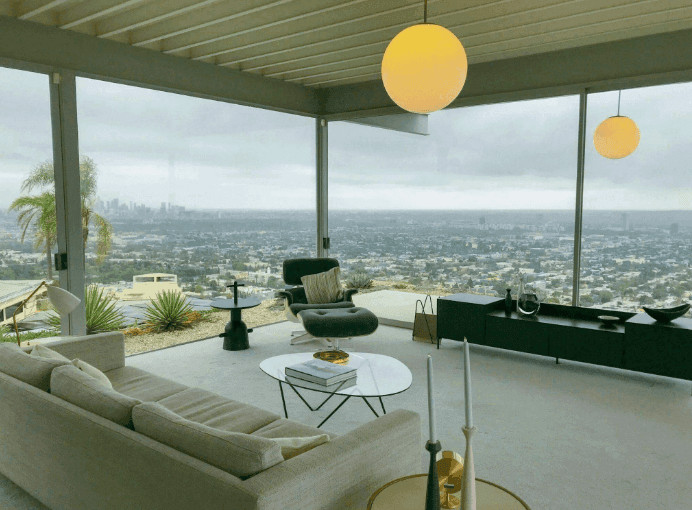
Key Advantages of Navigating 3D Virtual Showrooms for Home Planning
Static galleries are useful for mood. Physical stores are useful for touch. But virtual showrooms fill the space between them. They help people understand how a room works before they commit to a purchase, a renovation, or even a color palette. A good tour lets you compare sightlines, notice awkward gaps, and check whether furniture blocks movement. That makes it valuable for small apartments, open-plan homes, and rooms with unusual shapes.
There is also a time advantage. Instead of visiting several showrooms in one day, a person can review many styles from home, save references, and return later with a clearer eye. This does not replace professional design advice, but it improves the conversation. When a client can name the lighting mood or sofa scale they like, the designer gets better input. That is why 360-degree virtual tour services are becoming part of planning, not only marketing.
Essential Benefits for Interior Enthusiasts
The strongest benefit is spatial awareness. Many people can choose attractive furniture, but struggle to judge scale. A 360 tour slows the process down. It lets you ask better questions. Is the dining area too close to the kitchen island? Does the rug define the seating zone? Does the room feel calm because of the palette, or because there is enough empty space?
The following list highlights the primary components to evaluate while exploring a 360-degree virtual design tour:
1. Spatial Proportions and Clearance: Observe how much empty floor space is left around major furniture clusters to master standard room flow and movement rules.
2. Textures and Material Mixing: Analyze how glossy metallic accents contrast against matte wooden textures or soft upholstered textiles under shifting virtual light sources.
3. Informational Hotspots: Click on interactive tags embedded within the tour to learn about specific manufacturing brands, dimensions, and hidden hardware configurations.
4. Color Palette Coordination: Examine how the primary wall paint interacts with secondary furniture tones and small decorative accent elements across different rooms.
This is also where 3d virtual tour services help different users. A homeowner can borrow layout ideas. A decorator can study transitions between rooms. A furniture brand can show how a collection behaves in a real setting. And a design student can learn by watching professionals balance contrast, negative space, and focal points.
Conclusion
360-degree touring has made professional interior inspiration easier to access. Render Vision, Danthree Studio, VirtualTourEasy, ArredoCAD, and Deptho.ai demonstrate how digital rooms can teach users to look more closely. They reveal layout decisions, material relationships, lighting choices, and furniture scale in a way that flat images cannot always do. That is useful for anyone who wants a better home but does not want to go through every decision.
Use virtual tours actively. Pause in corners. Compare surfaces. Notice where designers leave space empty. Save the rooms that feel right, then ask why they work. With the right references, a personal home project becomes less random and more controlled. Digital tools will not choose your taste for you. They give you a clearer view before you spend money, move furniture, or repaint. That is the real value of a thoughtful 360 virtual tour service.