Flat roofs have long been associated with modern architecture, often celebrated for their sleek lines and minimalist appeal. However, the perception of flat roofs has evolved significantly. No longer merely functional elements of a building’s structure, they can now serve as stylish features that enhance both aesthetics and utility.
This article explores how homeowners and architects can achieve the perfect blend of function and style, transforming flat roofs into dynamic living spaces. You will learn the main benefits of flat roofs, design ideas that improve the look, and the key challenges to plan for.
The Advantages of Flat Roofs
Before delving into the design possibilities, it’s essential to understand the functional advantages of flat roofs:
Cost-Effectiveness:
Flat roofs generally require fewer materials than pitched roofs, resulting in lower construction costs. Their straightforward design also simplifies installation.
Space Efficiency:
The horizontal surface offers additional usable space, which can be ideal for urban settings where square footage is at a premium.
Easy Access:
Maintenance is typically more manageable due to the ease of access, allowing for quick inspections and repairs.
Sustainable Solutions:
Flat roofs can accommodate green roofs, roof windows or solar panels, contributing to energy efficiency and environmental sustainability.
To see a variety of flat roofing options that can complement your design vision, you can explore the full flat roofing catalogue.
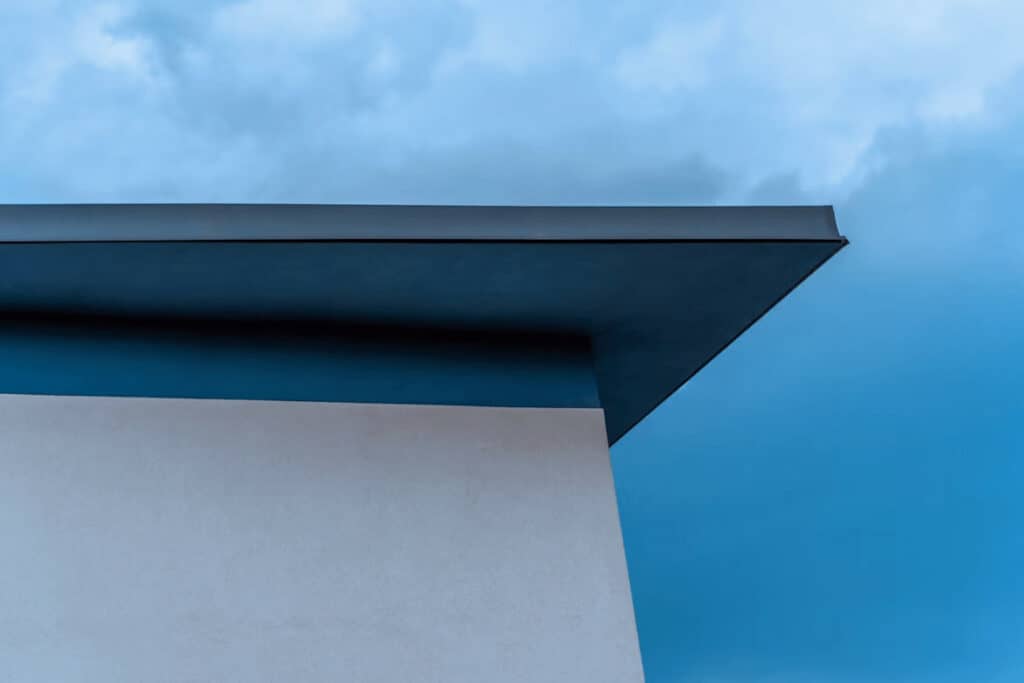
Elevating Aesthetics: Design Considerations
Creating Outdoor Living Spaces
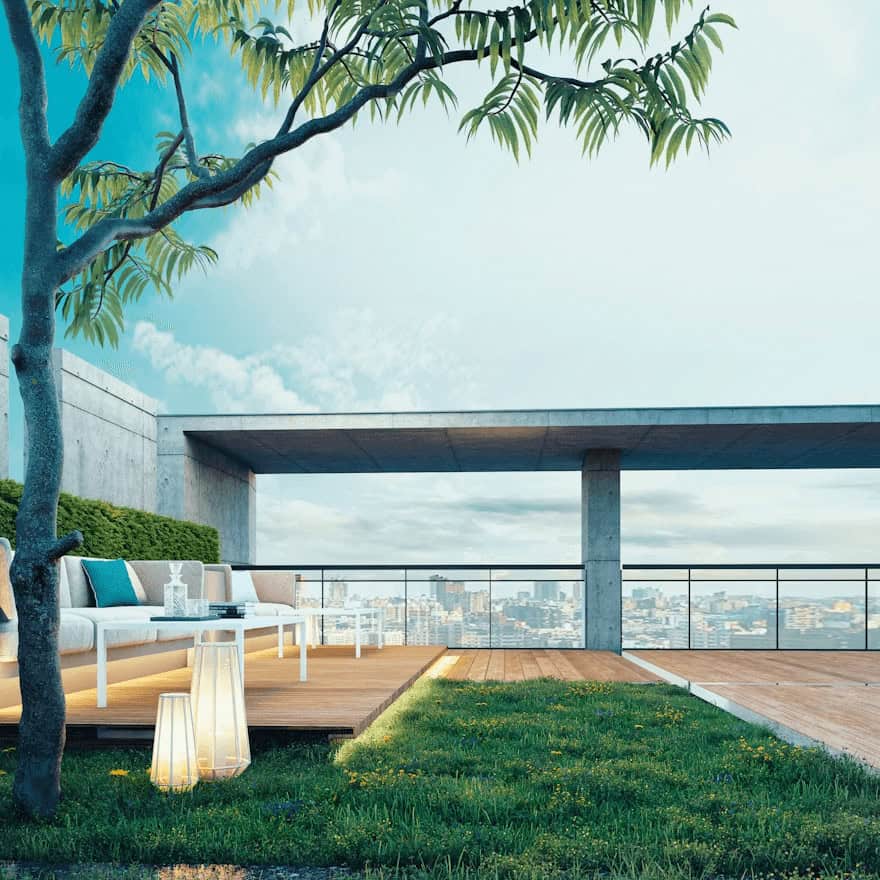
Imagine stepping out onto a spacious flat roof terrace that serves as a private sanctuary. By incorporating elements such as seating areas, gardens, or even outdoor kitchens, homeowners can turn an ordinary roof into a unique living experience. Here are some design ideas to consider:
• Planters: Adding raised planters allows for vibrant greenery, creating a natural retreat in an urban environment.
• Lighting: Integrated lighting can enhance ambiance during the evenings, making the roof a usable space for social gatherings.
• Materials: Selecting sophisticated materials—from decking to railings—can elevate the overall look. Wood, composite materials, and even decorative concrete can harmonize with the vegetation and sky.
Maximizing Views
Flat roofs provide unparalleled opportunities for maximizing views. Whether the aim is to showcase panoramic cityscapes or picturesque landscapes, strategic placement of furniture and structures can enhance sightlines. Consider using transparent railings or floor-to-ceiling windows on the roof of a multi-story building, allowing the outside world to merge seamlessly with the indoor environment.
Incorporating Functional Elements
While aesthetics are crucial, functionality must not be neglected. Consider integrating elements that serve dual purposes:
• Rooftop Gardens: These not only beautify the space but also help with insulation and rainwater absorption.
• Solar Panels: Organizations increasingly prioritize green initiatives. Installing solar panels can make a flat roof both eco-friendly and economically advantageous.
• Rainwater Harvesting Systems: Capturing rainwater for use in gardens or for irrigation purposes not only reduces water bills but also promotes sustainability.
The Challenges of Flat Roofs
Despite their many advantages, flat roofs do come with challenges that require careful consideration:
Drainage Issues
Flat roofs aren’t entirely flat; they usually feature a slight pitch to facilitate water drainage. However, improper design can lead to pooling, which can severely compromise the roofing materials.
Solution: Regular maintenance, including clearing debris from drains and gutters, can prevent water buildup. Installation of well-placed drainage systems is also crucial for long-term durability.
Insulation and Energy Efficiency
A flat roof often bears the brunt of direct sunlight, which can lead to overheating without proper insulation.
Solution: Incorporate reflective materials that help regulate temperature. Additionally, a green roof can provide not only aesthetic benefits but also thermal insulation.
Choosing the Right Roofing Material
When it comes to flat roofs, the choice of materials can significantly impact both aesthetics and durability. Various options exist, including:
EPDM (Ethylene Propylene Diene Monomer):
Durable and weather-resistant, EPDM is a popular choice for commercial spaces.
TPO (Thermoplastic Olefin):
Renowned for its energy efficiency, TPO membranes reflect sunlight, thus lowering cooling costs.
Torch-On Felt:
This traditional option can be coupled with modern designs, providing a classic yet adaptable roofing solution.
Each material choice presents unique characteristics, impacting the aesthetic and functional elements of your flat roof.
Conclusion: Flat Roofs as Design Statements
Ultimately, the evolution of flat roofs allows homeowners and architects to break free from traditional design constraints. Today, they can be transformed into something much more than a cap to a building; they can become stunning features that add value and livability.
With careful planning, strategic design choices, and a focus on functionality, flat roofs can thrive as distinctive spaces that blend seamlessly with the rest of the home. While balancing aesthetics with practicality might seem daunting, the rewards are significant, offering both immediate and long-term benefits. So, whether you are considering a renovation or planning a new build, don’t underestimate the potential of a flat roof to elevate your design narrative.