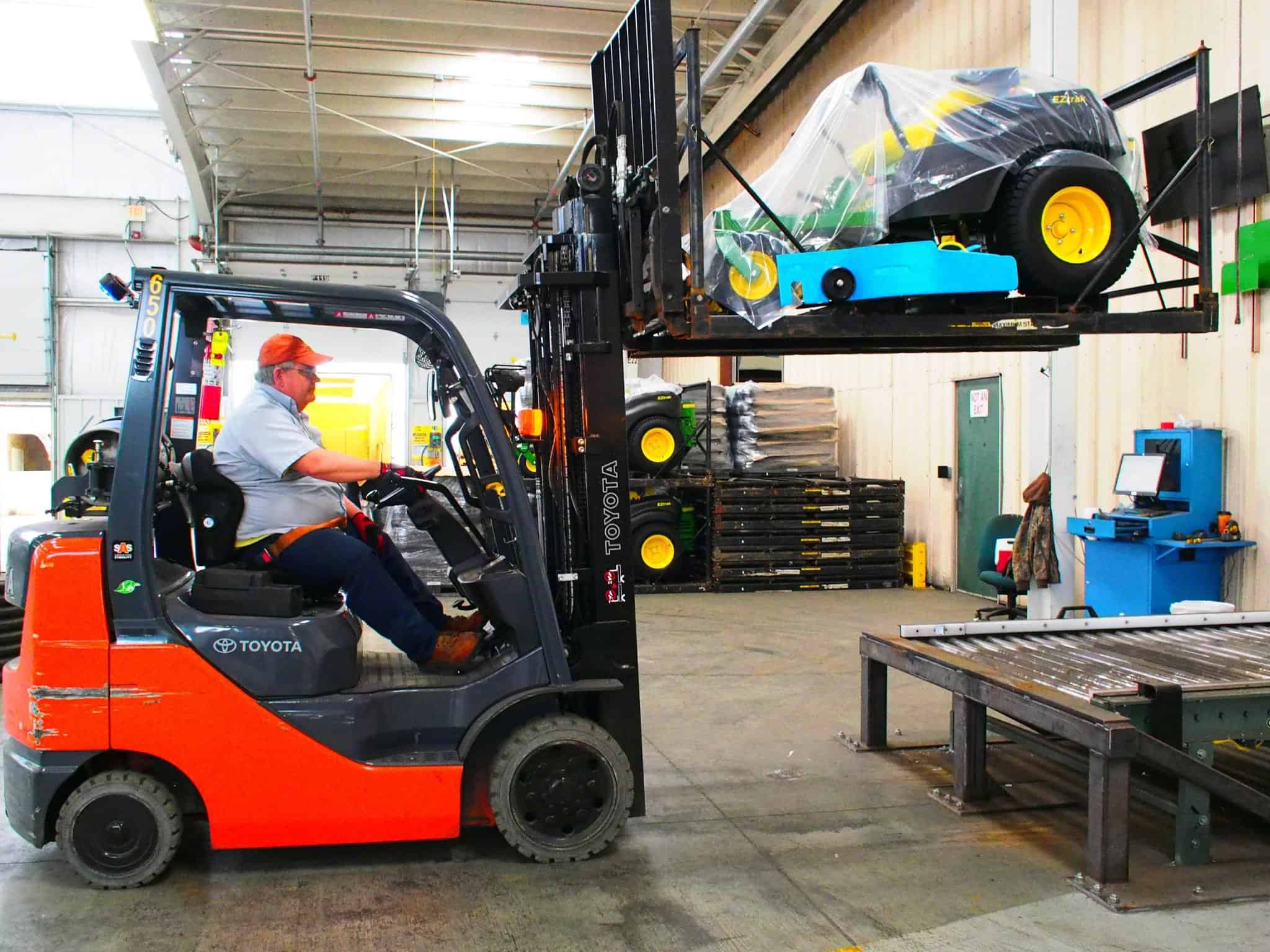
Adding a pond to a garden transforms the space. The movement of water creates a sound, and water clarity ensures that fish thrive in the pond. Many garden pond owners are seeking a solar solution for their water feature.
A solar pond filter pump seems to be a simple solution for garden ponds, but before going fully solar, it helps to know what these systems are all about and how they work in a real-life setting.
What Is a Solar Pond Filter Pump
Defining a Solar Pond Filter Pump System
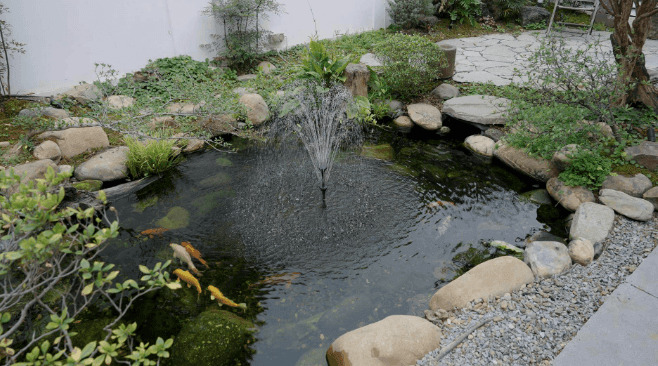
A solar pond filter pump system is a small water system that uses solar power to circulate water from the pond, clean it, and then return it to the pond. A solar pond filter pump system usually comprises:
- A solar panel
- A DC water pump
- A filter box with filter media
A solar pond filter pump system uses solar power from the sun, which then powers the water pump that draws water from the pond, passes it through the filter, and then returns clean water to the pond.
Sometimes, a solar pond filter pump system comprises a battery that stores energy for later use when there is no sun. The idea of a solar pond filter pump system is simple: it uses solar power instead of electricity from the wall.
How a Pond Pump and Filter Solar System Works
A pond pump and filter solar system only functions well if there is an adequate source of light from the sun, and the brighter the sun, the stronger the flow of water from the system. Water goes into the pump. Then, water goes into the filter chamber. Inside, filter pads remove any solid particles.
Bio media, such as bio balls or rings, provide a place for good bacteria to live. These bacteria naturally clean the water. The cleaned water goes back into the pond. This process happens all day. If you see clouds moving by, this means that water flow will slow down. This is perfectly normal for solar powered fountain pump.
Solar vs Electric Pond Filter Pumps
Electric pumps connect to your home’s electricity. They always run unless you turn them off. They always run at full speed, night and day. Solar pumps do not connect to your electricity. This saves you money on electricity bills. It’s also easier to set up; there’s no wire digging necessary.
On the other hand, solar pumps do not do well on cloudy days. This might not be a problem for small decorative ponds; however, for koi ponds, electric pumps might be better.
Key Things to Know Before Going Fully Solar
Understanding Solar Power Limitations
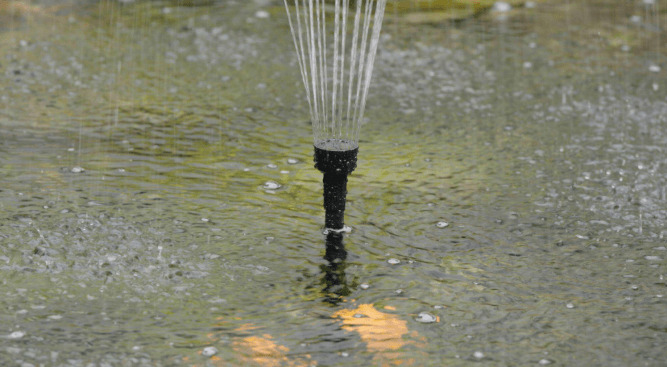
Solar power is free and good for the environment. However, solar power is not always available. In the morning and evening, sunlight is not strong. Rainy days also mean no solar power. Winter days mean that solar pumps do not run for very long. If you want strong water flow, you might want to consider something other than solar power.
Sunlight Requirements and Panel Placement
The placement of the solar panel is very important. The solar panel should be placed to receive direct sunlight most of the day. It should not be shaded by trees, fences, or buildings. Also, make sure that your solar panel is clean. If you do not wipe your solar panel, dust and leaves will reduce its performance.
Battery Backup vs. Direct Solar Operation
There are two different models available: direct solar systems and systems that use battery backup. The direct solar systems will only work when the sun is shining. They will not work when the sun is not shining.
The battery systems will work when the sun is shining and will also work after the sun goes down, as they will have stored extra power from the sun. The type of system that you will want will depend on the type of pond that you have. Decorative ponds will not need the extra battery system, but fish ponds will.
Seasonal Performance Expectations
Solar systems will not work as well when the sun is not shining. In the summer, the sun will shine brightly, and the system will work well. In the winter, the sun will not shine as brightly, and the system will not work as well. If you live in a cold winter environment, you might not want to use your system as much. Many people will not use their system as much when the weather is cold.
How to Choose the Right Solar Pond Filter Pump
Matching Pump Flow Rate to Pond Size
The flow rate of the pump is measured by gallons per hour. The flow rate will depend on the size of the pond. A general rule of thumb is that the solar panel pump fountain will need to be able to circulate the entire pond volume every one to two hours. For example:
- If you have a 100-gallon pond, you will want a pump that will circulate 100-200 gallons per hour.
- If you have a 300-gallon pond, you will want a pump that will circulate 300-600 gallons per hour.
You will not want the pump to be too small, as the water will not be filtered properly. You will not want the pump to be too large, as you will get too much splash and will lose water.
The Poposoap brand of solar pond filter pumps comes in different sizes. The smaller sizes will work for a small backyard pond, and the larger sizes will work for a medium-sized pond. You will want to check the capacity of the pond before you purchase the pump.
Good filtration has two components:
- Mechanical filtration
- Biological filtration
Filter pads clean the water of dirt particles. Biological media provide a home for beneficial bacteria. Without biological filtration, the water may be crystal clear but still contain harmful waste. If you have fish, then filtration is important.
Head Height, Hose Length, and Flow Loss
Head height is how high the pump will lift the water. If you are planning to have a waterfall or other raised feature, then you will want to pay close attention to this number. Hose length will also affect the flow of the water because the longer the hose, the lower the pressure. Avoiding poor water movement is important.
Energy Efficiency and Pump Reliability
Pumps are DC powered. DC pumps are very energy efficient. More wattage means a higher flow rate. More wattage means a bigger solar panel is necessary. More wattage means better sunlight is necessary. Reliability is more important than wattage.
Pros and Cons of Solar Pond Pump and Filter Systems
Benefits of Going Fully Solar
- No electricity costs
- Easy to install
- Environmentally friendly
- No underground wiring necessary
- Quiet operation
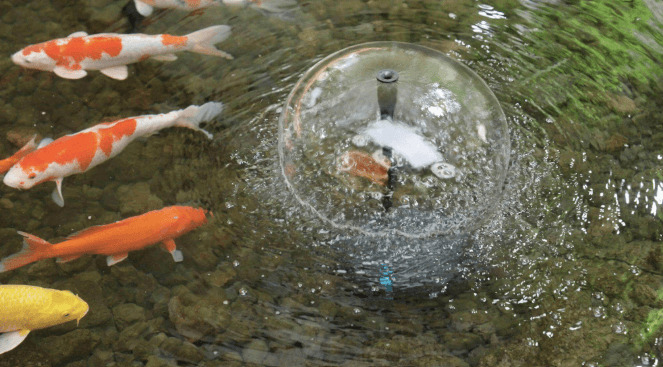
For most garden ponds, wildlife ponds, and decorative ponds, solar systems are adequate.
Common Limitations and Trade-Offs
- Needs sunlight to operate
- Does not operate at full capacity in the winter
- Cannot operate at night without a battery
- Not good for very large ponds
The solar system will only perform at its best if expectations are aligned with the natural world.
Best Pond Types for Solar Pond Filter Pumps
Solar systems are appropriate for:
- Small backyard ponds
- Water gardens
- Wildlife ponds
- Decorative water features
If you have a small number of fish, then solar power is perfectly adequate.
When Hybrid or Traditional Systems Make More Sense
Hybrid systems might be the way to go if you have a large fish load or a large volume of water. What is a hybrid system? A hybrid system uses the sun as the power source and electricity as a supplement when necessary.
This will give you a stable system. Traditional AC systems also remain viable options for large koi ponds and other applications.
Why Poposoap Solar Pond Filters Are a Smart Choice
Poposoap Solar Pond Filter Design and Performance
The Poposoap Solar Pond Filter Series is available in different wattage sizes. This will enable you to get the right pump for your pond, depending on the size of the pond.
Easy Maintenance and User-Friendly Setup
One of the issues that might arise when using a DIY system is that the pump and filter might not be the right size for each other. The Poposoap system, however, is designed as a complete system. The power produced by the panel matches the pump’s requirements. The filter box is also the right size for the flow produced by the pump.
Choosing the Right Poposoap Solar Pond Filter Pump
First, you will need to determine the size of your pond. You will then need to think about the following:
- What water circulation you want
- What height you want your waterfall or fountain to be
- What amount of sun you get each day
If you are not sure, then you might want to get a pump that is a little stronger than the recommended minimum.