Replacing a roof is one of the largest home improvement investments many homeowners will make. While some roofing projects are relatively straightforward, others can vary significantly in price depending on several important factors.
Many homeowners are surprised to learn that roof replacement costs are influenced by much more than just roof size. Roofing material selection, labor, structural conditions, weather damage, roof complexity, and regional market conditions all play a role in determining total project cost.
Understanding what impacts the cost of roof replacement can help homeowners plan more effectively, compare estimates accurately, and make informed decisions before starting a roofing project.
Why Roof Replacement Costs Vary So Much
Every roofing project is different.
Some homes have simple roof designs with minimal repair needs, while others may involve multiple roof levels, structural issues, or premium materials that increase labor and installation complexity.
Roofing Materials Differ in Price
The type of roofing material selected is one of the biggest pricing factors.
Roof Designs Affect Labor Costs
Complex rooflines require more labor, safety equipment, and installation time.
Existing Roof Conditions Matter
Underlying roof damage, structural problems, or issues with the soffit and fascia can increase project expenses.
Roofing Material Costs
Material selection has a major impact on overall roof replacement pricing.
Asphalt Shingle Roofing
Asphalt shingles remain the most common residential roofing material.
Why Asphalt Shingles Are Popular
They offer affordability, versatility, and relatively simple installation.
Average Asphalt Roof Costs
Asphalt roofing is usually one of the more budget-friendly roof replacement options.
Metal Roofing Costs
Metal roofing typically costs more upfront but offers longer lifespan and durability.
Benefits of Metal Roofs
Many homeowners choose metal roofing for weather resistance and energy efficiency.
Higher Installation Costs
Metal roof installation requires specialized labor and materials.
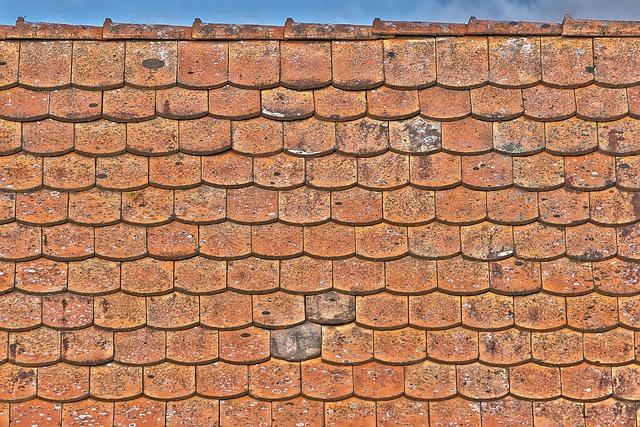
Slate and Tile Roofing Costs
Slate and tile roofs are premium roofing systems.
Long-Term Durability
These materials can last for decades with proper maintenance.
Increased Structural Requirements
Heavier roofing materials may require additional structural support.
Roof Size and Square Footage
Larger roofs naturally require more materials and labor.
Roofing Is Measured in Squares
Roofers typically calculate projects based on roofing “squares.”
One roofing square equals 100 square feet of roof surface.
Multi-Level Roofs Increase Complexity
Homes with multiple roof levels often require additional labor and safety precautions.
Roof Pitch and Roof Complexity
Steeper and more complicated roofs usually cost more to replace.
Steep Roofs Require More Labor
Steep slopes increase installation difficulty and safety risks.
Complex Rooflines Increase Material Waste
Dormers, valleys, skylights, chimneys, and multiple angles often create additional cutting and material waste.
Tear-Off and Existing Roof Removal
Removing old roofing materials is often part of roof replacement projects.
Multiple Roofing Layers
Homes with multiple existing roof layers may require additional labor and disposal costs.
Disposal Fees
Old shingles and debris must be removed and disposed of properly.
Roof Decking and Structural Repairs
Sometimes roof replacement reveals hidden structural problems.
Rotten Wood Decking
Moisture damage may weaken wood decking beneath shingles.
Water Damage Repairs
Leaks can affect framing, insulation, and roof supports over time.
Additional Structural Work
Extensive damage may increase labor and material costs significantly.
Weather and Storm Damage
Storm damage is one of the leading reasons homeowners replace roofs.
Hail Damage
Hail can crack shingles and reduce roof lifespan.
Wind Damage
Strong winds may remove shingles or damage flashing.
Insurance Claims
Some storm-related roof replacement cost may be partially covered through homeowner insurance policies.
Roofing Ventilation and Insulation Upgrades
Many roof replacements include ventilation improvements.
Proper Attic Ventilation
Ventilation helps regulate temperature and moisture levels.
Energy Efficiency Improvements
Updated insulation and ventilation may improve indoor comfort and lower utility costs.
Labor Costs and Local Market Conditions
Roofing labor costs vary depending on location and market demand.
Regional Labor Pricing
Areas with higher labor demand or storm recovery projects often experience increased roofing prices.
Contractor Experience and Reputation
Experienced roofing companies may charge more for higher-quality workmanship and warranties.
Permits and Building Code Requirements
Some roofing projects require permits and inspections.
Local Permit Costs
Permit requirements vary by city and county.
Building Code Updates
Older homes may require upgrades to meet current building codes during replacement projects.
Roof Accessibility
The easier a roof is to access, the simpler the installation process becomes.
Limited Access Areas
Tight property lines or landscaping obstacles can increase labor difficulty.
Safety Equipment Requirements
Complex or steep roofs may require additional safety systems and equipment.
Seasonal Timing Can Affect Roofing Costs
The time of year can sometimes influence roofing pricing and contractor availability.
Peak Roofing Seasons
Roofing demand often increases after major storms or during warmer months.
Scheduling Flexibility
Some homeowners may receive better scheduling availability during slower seasons.
Signs It May Be Time to Replace Your Roof
Homeowners should watch for signs of roof deterioration.
Missing or Curling Shingles
Visible shingle damage often indicates roof aging.
Roof Leaks
Water stains or attic moisture may signal roofing failure.
Frequent Repairs
Repeated roofing problems may make replacement more cost-effective long-term.
Sagging Roof Areas
Structural concerns should be inspected immediately.
Why Professional Roof Inspections Matter
Professional inspections help homeowners understand the true condition of their roof.
Hidden Damage Detection
Roofing professionals can identify moisture, storm, and structural issues not visible from the ground.
Accurate Project Estimates
Detailed inspections allow contractors to provide more accurate pricing.
Long-Term Planning
Inspections help homeowners prioritize repairs and replacement timing.
How Homeowners Can Prepare for Roof Replacement
Planning ahead helps reduce stress during roofing projects.
Compare Multiple Estimates
Getting multiple roofing quotes helps homeowners compare pricing and services.
Review Warranty Options
Roofing warranties vary depending on materials and contractor workmanship.
Understand Material Choices
Different roofing systems offer different lifespans, maintenance needs, and performance benefits.
Roof Replacement Is a Long-Term Investment
A new roof protects your home, improves curb appeal, increases energy efficiency, and helps prevent costly structural damage.
While roof replacement costs vary depending on many factors, investing in quality materials and professional installation can provide long-term value and peace of mind.