Most homeowners begin a renovation thinking about how they want their home to look. Few stop to think about how they want it to function years from now.
That difference matters more than most people realize.
A kitchen that photographs beautifully today can become frustrating after a few years of daily use. A bathroom designed around trends instead of practicality may age poorly. Even large-scale renovations sometimes fail because homeowners focus too heavily on aesthetics while overlooking how their routines, storage needs, and lifestyles will evolve.
The most successful house remodeling projects are the ones that continue improving everyday life long after the excitement of construction ends. That is especially true for projects involving Kitchen remodeling in Springfield, MO, where homeowners are increasingly prioritizing longevity and usability alongside modern design.
A Functional Home Ages Better Than a Trendy One
Design trends change quickly. Daily habits do not.
That is why homeowners who remodel primarily around visual trends often find themselves dissatisfied sooner than expected. Ultra-minimal kitchens may look sleek initially, but insufficient storage becomes obvious within months. Oversized statement fixtures can lose appeal when they interfere with practical use. Open shelving may work in magazines but create maintenance headaches in busy households.
Functionality tends to outlast trends because it supports how people actually live.
A well-designed remodel considers:
● Traffic flow
● Storage habits
● Cleaning routines
● Lighting needs
● Family growth
● Aging in place
● Long-term maintenance
These decisions are less glamorous than choosing cabinet colors or tile patterns, but they have a much bigger impact on daily satisfaction.
The homeowners who remain happiest with their renovations years later are usually the ones who prioritized comfort, convenience, and flexibility over purely visual upgrades.
Kitchens Need to Work Harder Than Ever
The role of the kitchen has changed dramatically over the last decade.
For many families, it is no longer just a cooking space. It functions as a gathering area, workspace, homework station, entertainment zone, and storage hub all at once.
That shift is changing how thoughtful kitchen remodels are approached.
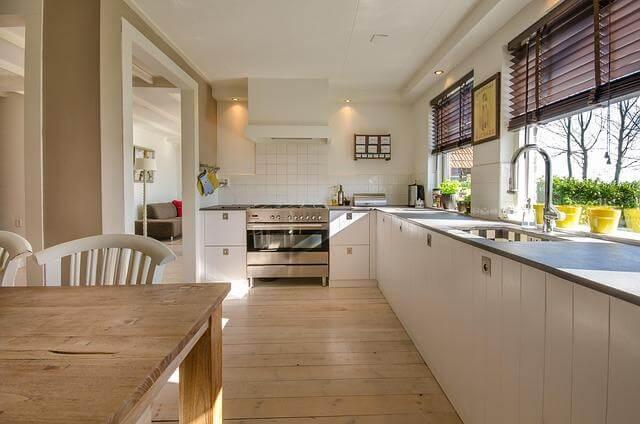
Instead of maximizing appearance alone, homeowners are increasingly focused on reducing friction in everyday routines. Simple changes often make the biggest difference. Wider walkways improve movement during busy mornings. Better lighting reduces eye strain and creates a more inviting atmosphere. Smart storage eliminates clutter before it accumulates.
Even appliance placement matters more than many people expect.
For example, placing a refrigerator too close to a main entry point can create constant interruptions in household traffic flow. Similarly, insufficient countertop landing space near ovens and sinks quickly becomes frustrating during meal preparation.
A kitchen should feel intuitive to use. When a layout supports daily routines naturally, the entire home feels calmer and more efficient.
Bathroom Remodeling Is About Comfort, Not Just Style
Bathrooms are often renovated with resale value in mind, but long-term usability deserves equal attention.
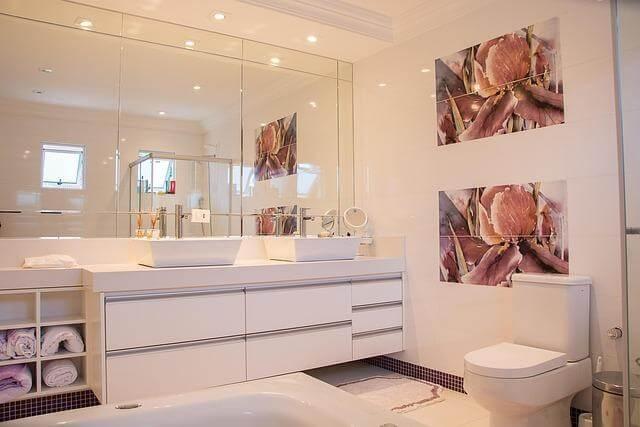
Small frustrations become amplified in spaces used multiple times every day. Poor lighting, limited storage, awkward layouts, and difficult-to-clean materials may seem minor initially, but they add up over time.
Homeowners are increasingly moving toward bathroom designs that balance appearance with comfort and practicality.
Walk-in showers continue gaining popularity not only because they look modern, but because they improve accessibility and ease of cleaning. Better ventilation systems help prevent moisture issues that can quietly damage a home over the years. Thoughtful storage solutions reduce visual clutter and make small bathrooms feel significantly larger.
Material selection also plays a major role in longevity.
Natural stone may look beautiful, but some homeowners later regret choosing surfaces that require constant sealing or maintenance. Durable, lower-maintenance finishes often provide a better long-term experience without sacrificing aesthetics.
The best bathroom remodels feel relaxing without becoming difficult to maintain.
Whole-Home Remodeling Requires Lifestyle Planning
Large renovation projects fail surprisingly often for one reason: homeowners plan for the house they have today instead of the life they will have later.
A family with young children may eventually need quiet workspaces. Empty nesters often prioritize accessibility and lower maintenance. Entertaining habits evolve. Storage needs change. Technology integration becomes more important.
Remodeling decisions should account for these shifts.
Flexible spaces tend to age much better than highly specialized rooms. A finished basement designed only as a game room may lose relevance quickly, while a multi-functional space can adapt over time. Built-in storage solutions often become more valuable as households accumulate belongings and routines become more complex.
The same principle applies outdoors.
Decking projects are increasingly designed as extensions of indoor living rather than isolated backyard additions. Homeowners want outdoor spaces that feel usable throughout multiple seasons and adaptable for both entertaining and quiet family time.
Long-term thinking creates renovations that remain useful even as lifestyles evolve.
The Emotional Side of Remodeling Matters Too
Home renovations are often discussed in terms of resale value and design trends, but the emotional impact is equally important.
A well-designed home reduces stress in subtle ways. Better organization creates calmer mornings. Improved layouts make gatherings feel easier. More functional kitchens encourage cooking at home. Comfortable bathrooms create moments of quiet on otherwise busy days.
These experiences shape how people feel inside their homes every single day.
That is why successful remodeling is rarely about creating the most impressive-looking space possible. It is about sustainable upgrades to create an environment that supports real life more effectively.
The homeowners who feel happiest with their renovations years later are usually not the ones who chased the boldest trends. They are the ones who created spaces that continued serving their needs as life changed around them.
Good Remodeling Should Feel Invisible
The best renovations often go unnoticed in an interesting way.
Not because they are unattractive, but because everything simply works.
Storage feels natural. Movement through the home feels easy. Lighting feels comfortable. Maintenance feels manageable. Daily routines become smoother without homeowners constantly thinking about why.
That level of design requires more planning than trend-based remodeling, but it usually delivers far greater long-term satisfaction.
A successful renovation is not just about transforming a house visually. It is about improving how the home supports the people living inside it year after year.
For homeowners considering larger renovation projects, companies like Good Life Home Renovations increasingly focus on this balance between design, functionality, and long-term livability — which is ultimately what makes a remodel continue feeling worthwhile long after construction ends.