Feeling cramped at home is more common than you might think. Small apartments, older houses, or simply accumulating too many belongings can make even a space you love feel stifling. The good news is that a few strategic changes can make your home feel larger, more functional, and more comfortable. From clever storage solutions to smart design choices, there are many ways to transform your living space without moving.
1. Declutter Strategically
Before you consider renovations or furniture swaps, take a careful look at your belongings. Decluttering is not just about getting rid of things—it’s about making space for what truly matters. Start by going room by room and identifying items you haven’t used in the past year. Seasonal clothing, old gadgets, and unused décor often take up prime space.
Try the “one in, one out” rule. When you bring a new item into your home, commit to removing an existing one. This habit prevents your home from slowly becoming overcrowded again. According to The Spruce, regularly decluttering not only opens physical space but also improves mental well-being.
2. Use Vertical Space
When floor space is limited, your walls become invaluable. Shelves, wall-mounted cabinets, and hanging storage can help you take advantage of vertical real estate. Consider tall bookcases or floating shelves for books, décor, or everyday essentials. Even kitchen and bathroom walls can benefit from hooks or racks for utensils, towels, or cleaning supplies.
A great tip is to store less frequently used items higher up, keeping daily-use items within easy reach. This layering creates a sense of order while freeing up the areas you move through most often.
3. Multi-Functional Furniture
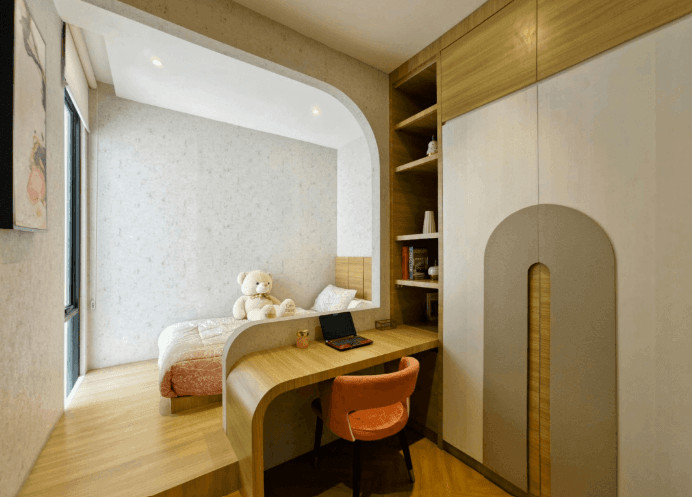
Investing in furniture that serves more than one purpose is a game-changer for small homes. Beds with built-in drawers, ottomans with hidden storage, and foldable desks allow you to maximize utility without crowding the room. Sofa beds or convertible tables are especially useful for guests or flexible spaces.
Even small changes, like using nesting tables instead of a large coffee table, can make a room feel more open. Choosing furniture that fits the scale of the space also prevents overwhelming the room visually.
4. Smart Storage Solutions
Storage is often the key to making a small space feel organized and spacious. Think beyond traditional cabinets and closets. Under-bed storage bins, over-door racks, and stackable containers can make a big difference. Labeling storage boxes helps you quickly locate items while maintaining a clean appearance.
If your home is still bursting at the seams, external storage options can be invaluable. Using secure self storage in Houston Heights allows you to keep seasonal items, bulk purchases, or sentimental belongings safely stored while freeing up your home for everyday living. Many modern storage facilities offer climate-controlled units, 24/7 security, and easy access, making them an excellent extension of your living space.
5. Light and Color Matter
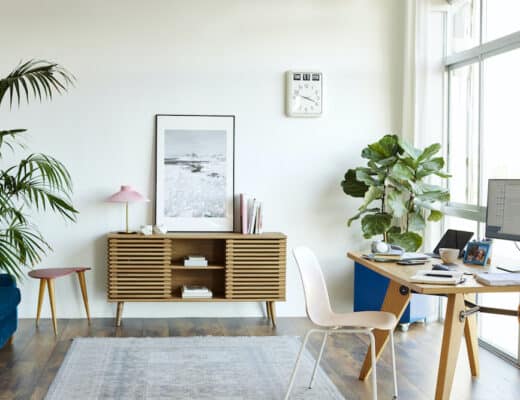
Colors and lighting can significantly affect how spacious a room feels. Lighter shades reflect more light, creating an airy and open atmosphere. Paint walls in soft neutrals or pastels, and pair them with bright, reflective surfaces like mirrors or glass furniture.
Natural light also plays a crucial role. Keep window treatments minimal, use sheer curtains, and place mirrors opposite windows to bounce sunlight throughout the room. Artificial lighting should be layered—use ceiling lights, floor lamps, and task lighting to reduce shadows and visually expand the space.
6. Define Zones and Open Layouts
Small homes often feel cluttered because everything blends together. Defining zones helps create a sense of order. Use rugs, furniture arrangements, or partial dividers to separate areas for work, relaxation, and dining. Even in open-plan layouts, creating distinct functional zones prevents a chaotic feeling.
Furniture placement is also essential. Avoid blocking natural pathways and allow space between pieces. This strategic arrangement encourages movement and gives the impression of a larger area.
7. Embrace Minimalism Without Sacrifice
Minimalism doesn’t mean living with almost nothing—it’s about intentionality. Focus on quality over quantity, and display only what adds value or joy to your life. Open shelving and carefully curated décor can create a sense of openness while still reflecting your personality.
For families or shared living spaces, involve everyone in deciding what stays and what goes. When everyone understands the rationale behind minimizing clutter, it’s easier to maintain over time.
8. Think Outside Traditional Storage
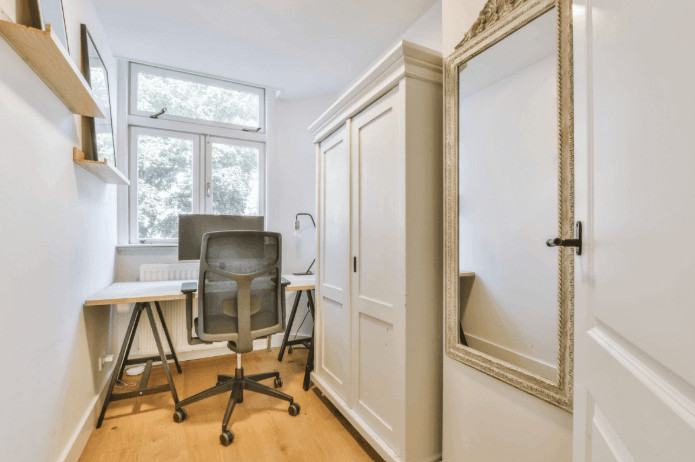
Sometimes, maximizing space requires creative thinking. For example, staircases can house hidden drawers or shelving. Furniture can double as storage, such as benches with lift-up tops or coffee tables with compartments. Even corners, often overlooked, can hold tall shelves, corner desks, or hanging plants to utilize every inch effectively.
Technology can help too. Digital organization for documents, photos, and media reduces the need for physical storage. A tablet, cloud service, or compact media hub can replace stacks of paper or DVDs.
9. Outdoor and Auxiliary Spaces
Balconies, patios, and other outdoor areas can serve as functional extensions of your home. With weather-resistant furniture and storage solutions, these spaces can become reading nooks, dining areas, or mini-gardens. If outdoor space is limited, even a small window ledge or wall-mounted planter can create the illusion of openness and bring life into the home.
Using these strategies together often produces the best results. Decluttering alone can help, but combining it with vertical storage, multi-functional furniture, and smart lighting can transform your living environment entirely.