
There’s a clear line between what a motivated homeowner can reasonably tackle and what requires a professional team. For most people, that line sits somewhere between painting a room and knocking out a load-bearing wall. The question is what happens in between – and how homeowners figure out which side of the line they’re on.
In San Diego, more homeowners are answering that question by turning to the design-build model for major renovation projects. It’s worth understanding what that means, why it’s gained traction, and how to know when it’s the right call for your project.
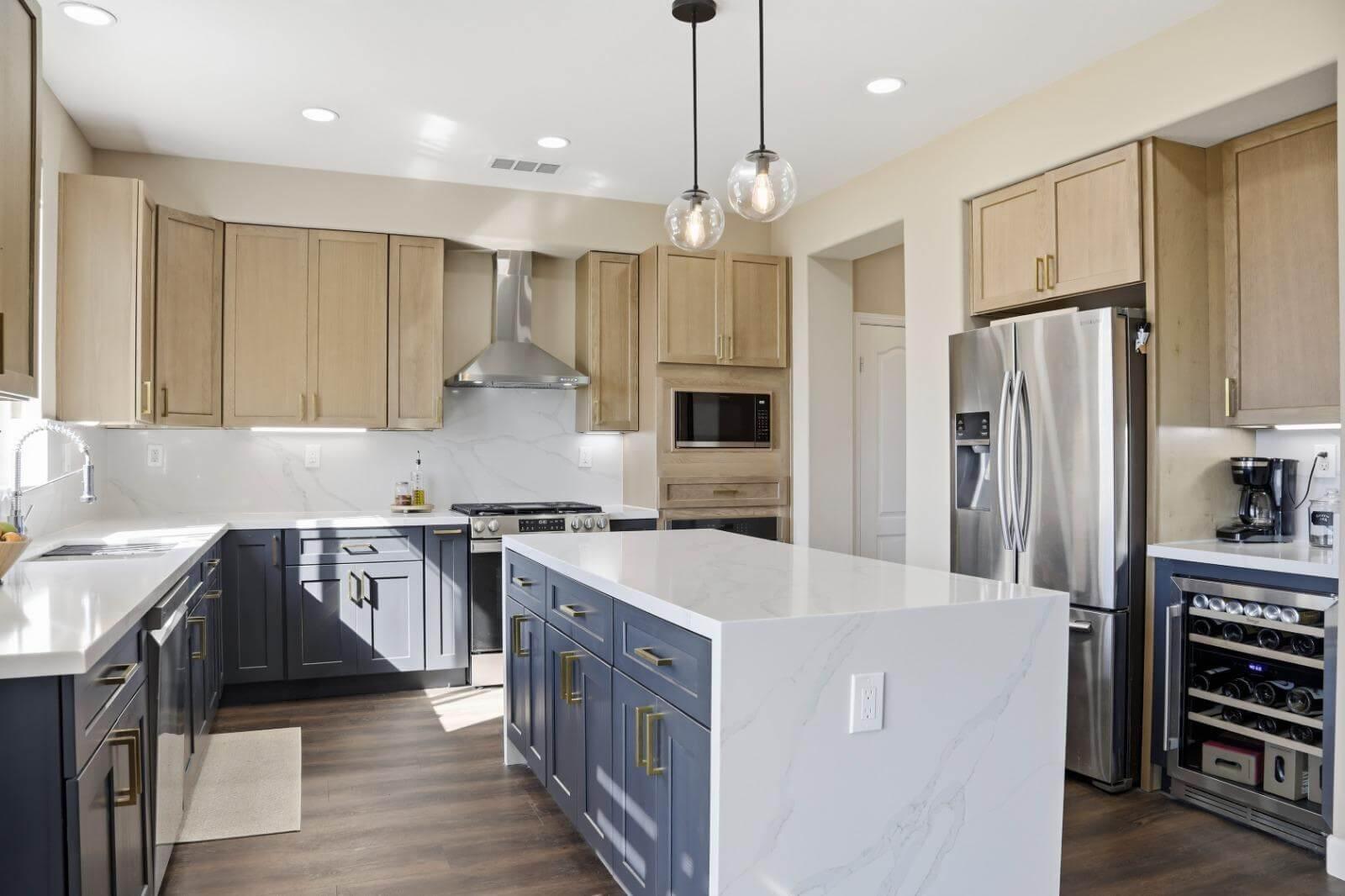
Kitchen remodel by Elements Design & Build, San Diego
What Design-Build Actually Means
The traditional approach to a major renovation involves two separate contracts and two separate relationships: one with an architect or designer who draws the plans, and one with a contractor who builds them. The homeowner sits in the middle, coordinating between the two – and absorbing the friction when the plans and the construction reality don’t match.
Design-build consolidates both under one roof. A single team handles design, permitting, and construction from start to finish. The homeowner has one point of contact, one contract, and one team accountable for the outcome.
It sounds simple, but the practical difference is significant. When the designer and the builder are the same people, the plans get drawn with construction reality in mind from day one. Surprises that typically surface during construction – a design detail that doesn’t work structurally, a material that’s not available, a dimension that conflicts with existing conditions – get caught at the design stage instead of mid-project.
Why It Matters for Major Renovations
For small projects – a new backsplash, a bathroom vanity swap, a fresh coat of exterior paint – the traditional model works fine. The scope is limited enough that coordination complexity doesn’t create real problems.
For major renovations, the calculation changes. Kitchen remodels that involve moving plumbing. Bathroom additions that require new electrical. Home additions that touch the structural envelope. Room conversions that need permits. These are projects where the gap between design intent and construction execution can cost months and tens of thousands of dollars.
The homeowners who run into the most trouble on major renovations tend to be the ones who underestimated that gap – who found a contractor after the design was done and discovered the plans needed significant revision, or who had a contractor start work before the design was fully resolved.
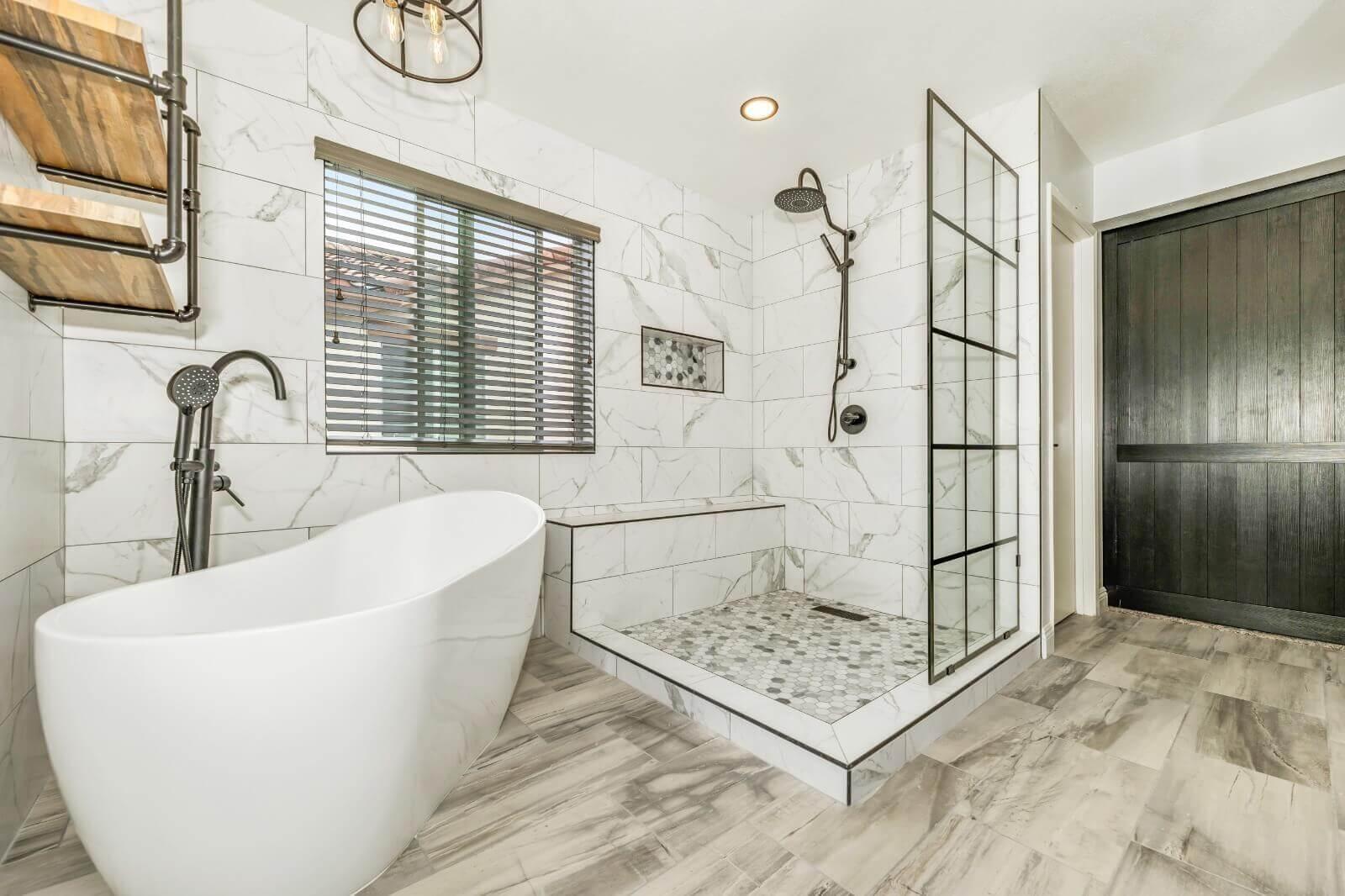
Primary bathroom remodel by Elements Design & Build, San Diego
The San Diego Context
San Diego’s construction market has specific characteristics that make the design-build model particularly relevant. Labor costs are among the highest in the country. Permit timelines in the city and county can stretch projects significantly if the permitting package isn’t prepared correctly the first time. Material costs have remained elevated since 2022.
In this environment, efficiency matters more than it might in a lower-cost market. Every week of delay on a San Diego renovation carries real cost – carrying costs, temporary housing if the project involves a primary living space, and the compounding effect of schedule overruns on a fixed budget.
A design-build team that has done dozens of projects through San Diego’s permitting process knows what the city requires, how to prepare a package that moves through review efficiently, and how to sequence the work to minimize downtime. That institutional knowledge is hard to replicate when you’re managing a designer and a contractor separately.
What Projects Make the Most Sense for Design-Build
Not every project needs the full design-build approach. Here’s a practical breakdown:
Projects where design-build adds clear value:
- Kitchen remodels involving layout changes or plumbing moves
- Bathroom additions or primary bathroom renovations
- Room additions that expand the home’s footprint
- ADU construction (the permitting complexity alone makes integrated design-build worth it)
- Whole-home renovations or major multi-room projects
- Historic home restoration where design decisions and structural realities are deeply intertwined
Projects where a simpler approach is fine:
- Cosmetic updates (paint, fixtures, hardware, appliances)
- Single-trade work (new flooring, new roof, HVAC replacement)
- Small bathroom refreshes that don’t involve moving plumbing
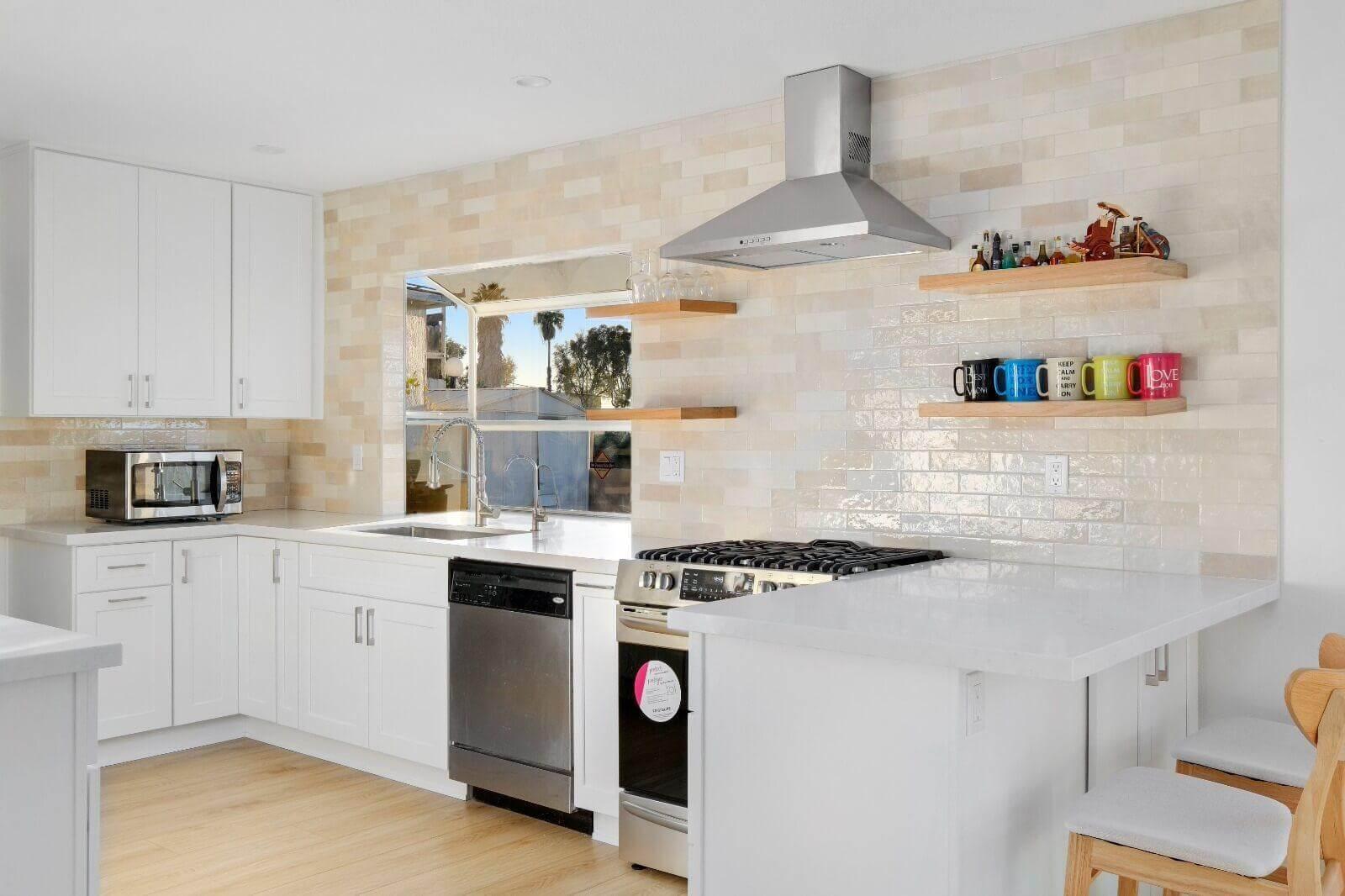
Kitchen renovation by Elements Design & Build, San Diego
How to Evaluate a Design-Build Contractor
The design-build model is only as good as the team executing it. A few things worth evaluating before signing a contract:
Portfolio depth. Ask to see completed projects similar in scope to yours – not just photos, but references you can actually contact. A team that has done twenty kitchen remodels in San Diego will navigate the permitting and construction process very differently than one that has done three.
In-house vs. subcontracted design. Some firms call themselves design-build but subcontract the design work. That’s not inherently a problem, but it means the integration between design and construction depends on the strength of that subcontractor relationship. Ask specifically who does the design work and how the team communicates across design and construction phases.
Transparency on costs. Design-build firms typically provide more detailed cost breakdowns earlier in the process than traditional contractors, because the design and cost estimating happen simultaneously. If a firm is vague about pricing until after you’ve signed a design agreement, that’s worth noting.
Communication process. Major renovations last months. The quality of day-to-day communication – how decisions get made, how changes are documented, who your primary point of contact is – matters more than it might seem at the outset.
Making the Call
The honest answer to “when is design-build the right choice?” is: when the project is complex enough that the cost of coordination failure exceeds the cost of integrated management.
For San Diego homeowners tackling major kitchen remodels, bathroom renovations, home additions, or ADU construction, that threshold is usually crossed. The projects are too large, too permit-intensive, and too interdependent between design and construction to manage well as two separate contracts.
For homeowners in San Diego County navigating this decision, working with an experienced design build contractor in San Diego who manages both sides of the process can be the difference between a renovation that finishes on time and on budget and one that doesn’t.
Elements Design & Build is a San Diego-based design-build contractor specializing in kitchen remodeling, bathroom remodeling, room additions, ADU construction, and whole-home renovation across San Diego County.
