Most DIY fans enjoy a project with a clear finish line. You load the truck, grab the tools, and knock out one room at a time. Some houses ask for far more than a few good weekends can give.
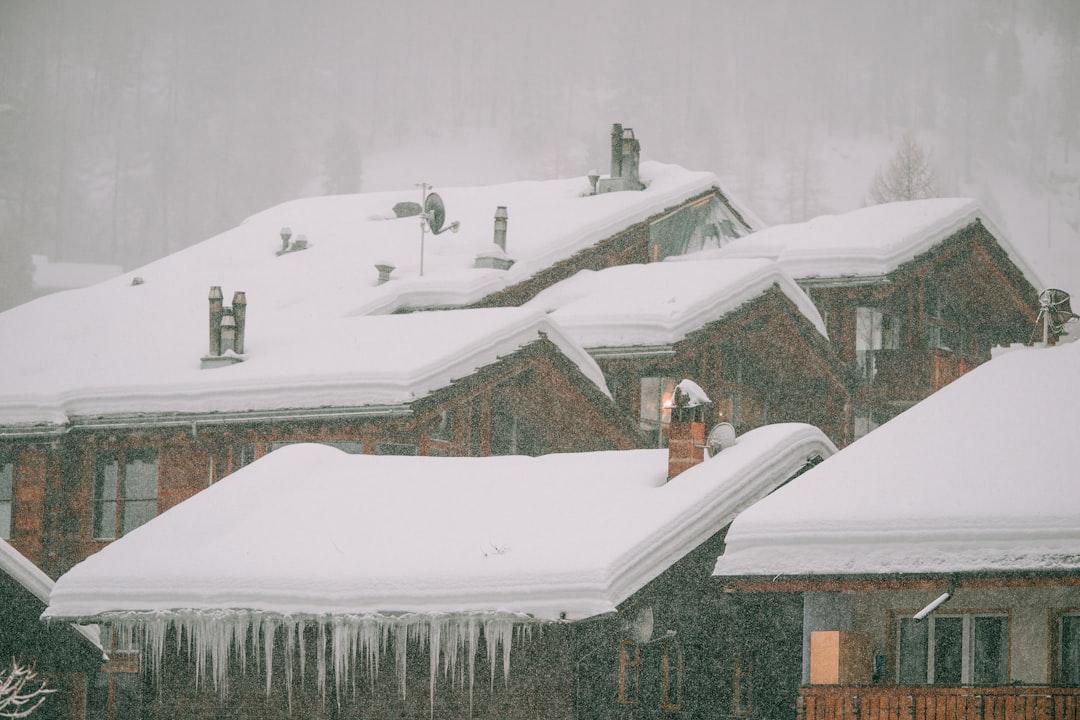
Photo by Maria Orlova on Unsplash
Sometimes the to-do list grows faster than your time or your savings can keep up. That is where a cash buyer like Minnesota Nice steps in. They buy the home as-is, so you skip repairs and commissions. This guide shows how Minnesota owners work out a solution where that turning point sits.
When Does a Repair List Outgrow a DIY Weekend?
A repair list turns risky when the total nears the home’s value. At that point, your sweat equity stops paying you back. Two big-ticket jobs can push you past that line fast.
Watch for the heavy hitters first. A failing foundation, an aging roof, or a full rewire can each run well past $10,000. Stack a couple together, and a weekend hobby becomes a second mortgage.
Skill has limits too. Some tasks need permits, inspections, and trades you cannot legally do yourself. Knowing how to prioritize exterior repairs keeps a smaller project on track. When the stack keeps growing, a clean sale can beat a long, costly rebuild.
Which Repairs Still Call for a Licensed Pro?
Some jobs sit off-limits for a DIY owner, no matter how handy. Minnesota law requires licensed trades for certain work, and permits follow close behind.
The state Department of Labor and Industry advises homeowners to verify a contractor’s license before hiring. These jobs almost always need a pro:
- Structural repairs to a foundation, load-bearing wall, or roof framing.
- Electrical panel upgrades and any new circuit wiring.
- Gas line work for a furnace, water heater, or stove.
- Major plumbing changes, including sewer and water service lines.
- Furnace or HVAC swaps that tie into gas and venting.
Each of these carries real safety risk and a permit requirement. A missed permit can stall a future sale or trigger a fine. When 3 or more land on your list, the project has outgrown a DIY plan.
How Does Minnesota Weather Add to the Repair Bill?
Cold changes the math on an old house. Minnesota winters push systems hard, and small flaws grow fast. A slow leak in July can become a frozen pipe in January.

Photo by Laura Ohlman on Unsplash
Ice dams are a common headache here. An ice dam is a ridge of ice at the roof edge that traps melting snow. The backup soaks insulation, ceilings, and walls over time. Temperatures near minus 20 degrees make that damage far worse.
Vacant homes suffer most in the deep cold. A furnace failure during a freeze can burst pipes within hours. A new furnace often runs $5,000 or more to replace on short notice.
Every month a fixer sits empty, you still pay heat, insurance, and property tax. Those holding costs are the ongoing bills you owe while the house waits. The longer the timeline, the smaller your final return.
How Does an As-Is Cash Sale Work Here?
An as-is sale means the buyer takes the home in its current condition. You skip repairs, staging, and most of the usual back-and-forth. The trade-off is a price that reflects the work still needed.
You still owe honesty about the property. Minnesota law requires a written disclosure of material facts that could affect the buyer. That rule applies even when you sell as-is for cash.
Here is how a typical cash sale moves:
- The buyer views the home, often within 48 hours of your call.
- You receive a written, no-obligation offer with a clear number.
- You pick a closing date, sometimes in about 7 to 14 days.
- Title work confirms a clean transfer before you sign.
- You collect your funds without paying agent commissions.
The disclosure lists known defects, not repairs you must make. A cash buyer reads it, prices the work in, and still buys the house.
Should You Keep Renovating or Sell As-Is?
Match the choice to your time, money, and skill. No single answer fits every house on the block.
Renovating pays off when the work is mostly cosmetic. Fresh paint, updated fixtures, and clean floors lift a price for modest cost. A patient owner can bank that gain over a few weekends.
Selling as-is wins when the repairs need licensed trades and real money. If a rebuild would empty your savings, a cash offer clears the path to move. Learning to simplify your home sale helps in either direction.
Run the numbers before you commit to anything. Compare the full repair total against nearby finished-home prices. Then pick the route that fits your budget and your patience.
What to Weigh Before You Decide
- Add up every repair in writing before you commit to fixing.
- Flag jobs that need permits or licensed trades in Minnesota.
- Count holding costs like heat, taxes, and insurance each month.
- Factor winter risks such as ice dams and frozen pipes.
- Choose a cash sale when big repairs outrun your budget.
Is a Cash Sale the Right Call?
A cash sale is not right for every home. It fits a fixer you cannot afford to finish. When the repair list beats the home’s value, a clean offer ends the drain on your time and money. Weigh the numbers first, then choose the path with confidence.
Frequently Asked Questions
How do I know a repair job needs a licensed pro?
In Minnesota, structural, electrical, gas, and major plumbing work require licensed trades and permits. These jobs carry real safety risk and cost far more than cosmetic fixes. Verify any contractor’s license before the work starts.
Do I still need a seller disclosure for an as-is cash sale?
Yes. Minnesota law requires a written disclosure of known material facts for most home sales. You list known defects, but you are not required to repair them. A cash buyer reviews it and still buys the house.
How fast can an as-is cash sale close in Minnesota?
Many cash sales close in about 7 to 14 days once the title is clear. There is no lender, so no appraisal or financing delay applies. You still choose the closing date that fits your schedule.
Will winter damage lower a cash offer?
It can, since issues like ice dams or a burst pipe add to the buyer’s repair total. A cash buyer prices that work in and still makes an offer. You avoid paying for those fixes out of pocket.