A feeding spot that doesn’t leave water across the kitchen floor, a secure backyard gate, and somewhere for your dog to sleep without being disturbed can make everyday life a lot easier. These may seem like small details, but together they make a dog-friendly home that saves you time and frustration while keeping your dog comfortable.
A daily routine that keeps your dog happy comes down to predictable feeding, exercise, play, and rest. The trick is finding a routine that fits your household without turning every day into a strict schedule. A few changes around the house, combined with consistent habits, can make that easier.
Set Up a Feeding Station and Regular Meal Times
Predictable meal times help dogs develop healthy eating habits and make it easier to notice changes in appetite. Many adult dogs do well with two meals per day, while puppies often need more frequent feeding. Choose food based on your dog’s age, size, and nutritional needs.
While food brands and product availability can differ between the US and Canada, many of the same considerations apply when comparing ingredients, nutritional value, and suitability for your dog. For another perspective, resources reviewing the best dog food Canada options can help you explore different formulas and what to look for when choosing dog food. Measure portions according to your dog’s needs to help maintain a healthy weight.
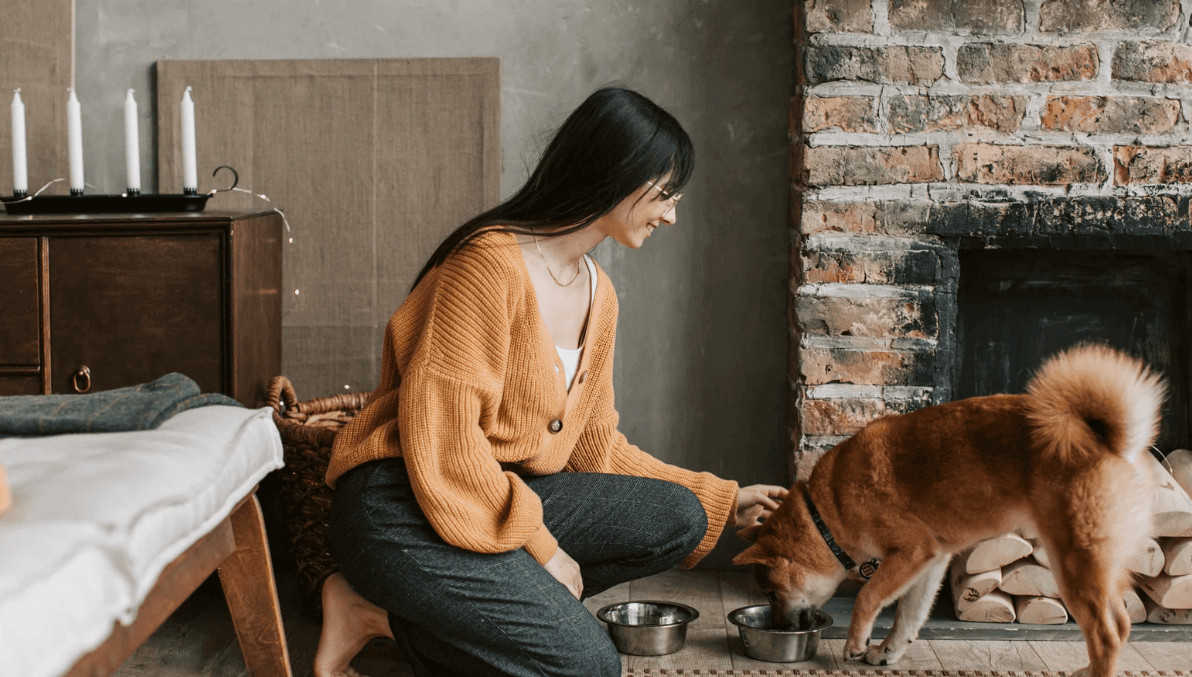
If you’re constantly wiping up spilled water or tripping over dog bowls, it may be time to give them a permanent spot. A quiet corner of the kitchen, laundry room, or mudroom usually works well, especially if the floor is easy to clean. Place a washable mat beneath the bowls to catch spills, or use a tray with raised edges to keep water from spreading.
Keep food and feeding supplies nearby, too. A sealed container or the original food bag stored inside an airtight bin can keep everything organized. A small cabinet or shelf is useful for treats, measuring cups, and other supplies that tend to clutter the kitchen counter.
Fresh water should always be available, especially after exercise or during hot weather. Pay attention to changes in drinking or eating habits, as these may signal a health concern. Regular meal times also make bathroom breaks easier to plan.
A simple day might look like this. Start with a walk and breakfast, then give your dog a few minutes of play or a short training session before you head out or settle in to work. Midday is a good time for rest and a chew or puzzle toy.
In the late afternoon, go for a longer walk with plenty of time to sniff, then serve dinner and spend the evening together before one last bathroom break at bedtime. Move the pieces around to suit your schedule, since repeating the order matters more than the exact times.
Create Safe Spaces for Daily Exercise
Regular exercise helps dogs maintain a healthy weight, burn energy, and explore their surroundings. Walks give them a chance to investigate new scents, while backyard play offers another way to stay active without leaving home.
Before letting your dog loose in the backyard, walk the fence line. Look for loose boards, gaps beneath gates, and anything sharp that might have been left behind after a weekend project. Check that gate latches close securely, particularly if your dog has a habit of pushing against them.
A level patch of grass is usually enough for a game of fetch. If your yard gets strong afternoon sun, provide a shaded spot where your dog can rest and cool down. Keep garden tools, fertilizers, and other chemicals out of reach.
Not every dog needs the same amount of exercise. Energetic breeds may enjoy longer walks and active games, while older dogs or those with mobility problems may be more comfortable with shorter outings. Extreme heat and freezing temperatures can also affect how much time your dog should spend outdoors. Ask your veterinarian about safe activity levels if your dog has health concerns.
Rainy days don’t have to mean sitting around all day. Clear some space in the living room or hallway for gentle games, short training sessions, or a little indoor play. Just move anything breakable out of the way and avoid slippery floors.
Make Room for Mental Enrichment and Training
Dogs need more than physical exercise to stay occupied. Puzzle feeders, scent games, and short training sessions give them something to think about and can be especially useful when they’re spending more time indoors.
A spare corner of the living room is enough for a few puzzle toys or a short training session. There’s no need to dedicate an entire room to dog activities. Keep a basket of toys nearby and swap them out occasionally rather than leaving everything on the floor at once.
You can even make a few activities yourself. Hide treats inside a loosely folded towel, scatter kibble across a snuffle mat, or set up a simple search game with cardboard boxes. Supervise these activities and remove anything your dog might chew apart or swallow.
Training doesn’t need to take up a large part of the day, either. A few minutes practicing sit, stay, or come can reinforce useful habits. Reward your dog with treats, praise, or play, and keep sessions short enough that they remain enjoyable.
If you’re teaching something new, choose a quiet part of the house where your dog won’t be distracted by people walking past or other pets playing nearby.
Organize a Practical Grooming and Cleaning Area
Anyone who’s bathed a muddy dog in the family bathroom knows how quickly the cleanup can become a second job. Having a few supplies in the right place makes grooming less of a hassle, especially if your dog spends plenty of time outdoors.
A laundry room, mudroom, or bathroom is a good place to handle brushing and cleaning because these areas usually have washable surfaces and access to water. Keep brushes, towels, nail clippers, and pet-safe cleaning products together so you’re not searching through cupboards every time they’re needed.
Fur and spills are part of life with a dog, so it helps to keep a few cleaning tools within reach. A vacuum made for pet hair, a rubber brush for lifting fur off upholstery, and an enzyme-based cleaner for accidents will handle most messes. Blot spills and accidents quickly rather than scrubbing, and wash dog bedding and throw blankets regularly.
Homeowners planning a laundry room renovation might consider adding a handheld shower attachment or a low-entry washing station. It’s not a necessary upgrade for every household, but it can be useful for bathing larger dogs without lifting them into a bathtub.
Grooming frequency depends on your dog’s coat. Some need daily brushing, while others require much less attention. Nail trimming and dental care should also be part of the routine. While brushing or bathing your dog, check for skin irritation, unusual lumps, or other changes worth discussing with your veterinarian.
Keep up with recommended vaccinations, parasite prevention, and routine veterinary visits as well.
Design Comfortable Resting and Social Spaces
The busiest corner of the living room probably isn’t the best place for a dog bed. Look for somewhere your dog can stretch out without people constantly walking past. A quiet spot away from loud appliances and drafts is often a better choice.
Washable bedding makes cleanup easier, particularly for dogs that shed heavily or bring dirt indoors. If your dog is getting older, a supportive bed and a nonslip surface can make getting up and lying down more comfortable. A rug with a nonslip backing is worth considering if the bed sits on tile or hardwood flooring.
Dogs also need time with the family. Playing, relaxing together, and simply being nearby can strengthen the bond between dogs and their owners. That doesn’t mean every dog wants constant attention, though.
In a busy household, give your dog somewhere to retreat when things get noisy. This is particularly helpful if you have young children, frequent visitors, or other pets. Make sure everyone in the family knows to leave the dog alone when it’s resting in that space.
If you’re out for part of the day, plan for it. Walk your dog and offer a chew, puzzle feeder, or treat toy before you leave, and make sure there’s fresh water and a comfortable place to rest. On longer workdays, ask a friend or hire a dog walker to give your dog a midday break. Build up alone time gradually with puppies, and talk to your veterinarian or a trainer if your dog seems distressed when left.
Adjust Your Home and Daily Routine as Your Dog’s Needs Change
The stairs your dog raced up as a puppy may become difficult to manage in old age. A ramp, a nonslip runner, or moving the bed downstairs can make a noticeable difference.
Puppies have different challenges. They need frequent bathroom breaks and may get into places they shouldn’t. Baby gates can keep them away from stairs, workshops, or rooms where tools and cleaning supplies are stored.
Take a slow walk through each room at dog height. Electrical cords, dangling blind cords, and small items like socks or hair ties are easy to chew or swallow, so tuck cords out of reach and keep clutter off the floor. Store medications, cleaning products, and foods like chocolate and onions in closed cabinets, and use a bin with a lid. Some common plants, including sago palms and azaleas, are toxic to dogs, so check any plant your dog can reach against a trusted pet-safe plant list.
For older dogs, think about how far they need to travel between their bed, food, water, and the door. Keeping these essentials on the same floor can make daily life easier, especially if stairs are becoming a problem. Secure loose rugs and clear narrow walkways to reduce the chance of slipping or tripping.
Your daily schedule will probably change over time, too. Work commitments, bad weather, and your dog’s energy levels can all affect when you go for walks or spend time playing. Try to keep feeding and rest times reasonably consistent, but don’t worry if every day looks a little different.
Watch for changes in appetite, movement, or enthusiasm for activities your dog normally enjoys. These may be signs that the routine needs adjusting or that it’s time to check in with your veterinarian.
Make Your Home Work Better for You and Your Dog
Start with whatever causes the most trouble at home, whether that’s muddy paw prints by the back door, food bowls in the way, or a dog bed that never seems to stay put.
You don’t need to tackle everything at once. Move the feeding bowls to a better spot, repair that loose fence board, or add a washable mat where your dog comes inside. If you’re already planning a renovation, think about how flooring, storage, and room layouts could make caring for your dog easier.
As your dog grows and their needs change, you can make further adjustments. A home that works well for a playful puppy may need a few different features when that same dog reaches its senior years.
The best setup is one that suits both your dog and the people living in the house. Fix the everyday annoyances first, keep the routine manageable, and make changes when they’re actually needed.