
Learning how to replace door numbers is a small job that can make an apartment building, condo complex, or rental property look cleaner and more organized. But even a simple hardware change takes planning when people are still living in the building. Residents need to find their homes, visitors need clear directions, and deliveries still need to reach the right doors.
For landlords and property owners, it’s also a chance to refresh worn hardware and give shared spaces a more consistent look. Whether you’re replacing faded numbers, updating the style, or installing new signs throughout a property, the goal is to finish the work without creating confusion. Choosing durable materials, preparing the doors, and following a clear schedule can help keep the project on track while the building stays open.
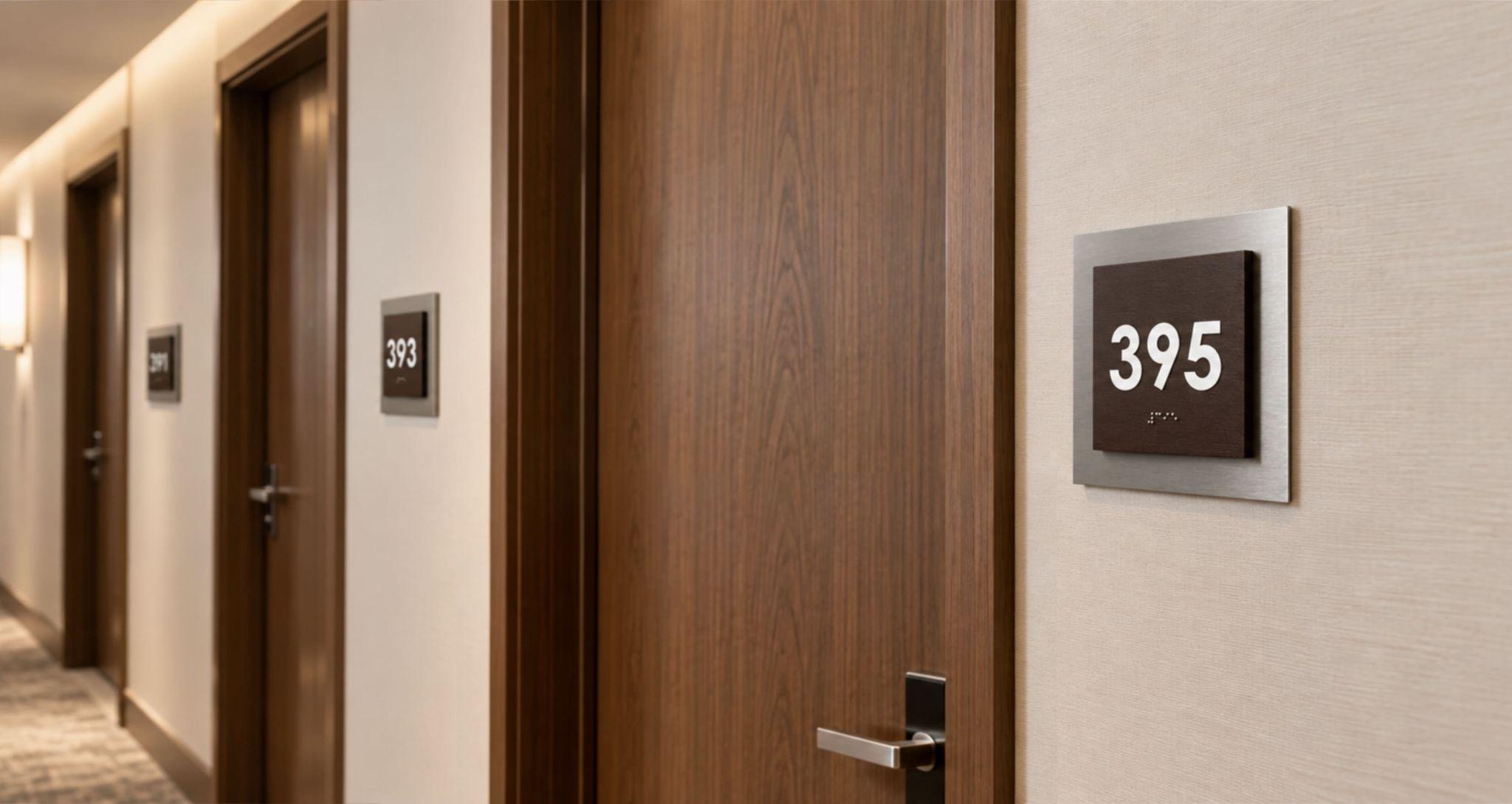
Choose Door Numbers That Fit the Property
Decide where each number will sit before any hardware goes on. In most cases, the easiest approach is to match the position of the existing sign, so the new numbers line up with the old placement and the doors look consistent along the corridor. If the position is changing, measure from the same point on every door, keep the numbers at a comfortable eye level, and use a level and a pencil line so the digits sit straight. A paper template of the new number can help you check the spacing before you mark any holes.
Before scheduling installation, make sure the replacement numbers suit the building’s style and daily use. Stainless steel and aluminum numbers offer a clean appearance and can hold up well to regular wear. Acrylic signs are another option, with different colors and finishes to match the property’s design.
Visibility matters as much as appearance. Choose numbers that are easy to read, with enough contrast against the door or wall. In apartment buildings and other shared properties, check applicable accessibility and building signage requirements before ordering replacements.
It’s also worth checking how the new signs will attach. Some use screws, while others have adhesive backing. Compare the new mounting method with the existing hardware and door surface. This can help you avoid unnecessary drilling, exposed holes, or damage to the finish.
How to Replace Door Numbers Floor by Floor
A door number sign replacement usually takes just a few minutes per door. The challenge is making sure each door remains easy to identify throughout the project, especially in a building with dozens or hundreds of units.
Replacing door number signs in an occupied building requires careful scheduling to minimize disruption for residents and visitors. A floor-by-floor installation plan helps maintain clear room identification and keeps the work organized.
Working through the building one floor at a time makes the project easier to manage. Residents know which areas are being updated, and visitors can continue using the existing signs elsewhere. This approach also gives the installation crew time to check each floor before moving to the next.
Keep Door Numbers Clear During Installation
Once the position is marked, fix each number the way its mounting method calls for. For screw-fixed signs, drill small pilot holes at the marked points, drive the screws in by hand rather than with a power tool so you don’t overtighten them, and check that the sign is still level before the last turn. For adhesive-backed signs, follow the product’s instructions and give the adhesive time to hold before anyone brushes past the door.
Problems can arise when a door temporarily has no number, displays an outdated sign, or shows a number that doesn’t match the building’s directory. A delivery driver following an address list or a visitor checking the lobby directory may struggle to find the right unit.
A floor-by-floor schedule makes these temporary changes easier to manage. Property managers can post notices for the affected floor rather than warning everyone in the building about possible confusion.
Keep the time between removing an old sign and installing its replacement as short as possible. Have the new numbers, tools, and mounting hardware ready before starting work on each door.
When removing existing signs, use tools suited to the mounting method and work carefully to avoid scratching the door finish. Check whether old screw holes will be covered by the replacement sign. If they won’t, plan for suitable repairs before installation.
Update Directories When Room Numbers Change
A door number often appears in several places beyond the door itself. These may include lobby directories, digital displays, access-control systems, and property management records used for maintenance, deliveries, and billing.
If you’re replacing old door numbers with new signs that show the same numbers, building records usually won’t need changes. But if the room numbers themselves are changing, update directories, access systems, and property records as part of the installation. This helps residents, visitors, and staff find the correct doors without confusion.
For buildings with electronic access systems, check whether room identifiers are connected to badge or key permissions. Changing a room number doesn’t always affect access, but some systems may require updates to keep their records accurate.
Coordinating these changes with the physical installation helps prevent mismatches between door signs and building information.
Schedule Installation During Quieter Hours
The best time to replace door numbers depends on how the building is used. Apartment buildings, hotels, and office properties all have different patterns of activity throughout the day.
In residential buildings, it may help to avoid busy morning and evening hours when residents are leaving or returning home. Hotels may need to work around check-in and checkout periods, while office buildings may have more flexibility outside normal business hours.
Before scheduling the work, estimate how long each floor will take and allow extra time for unexpected delays. Let residents or occupants know when installation will happen and which areas will be affected.
A realistic schedule helps the crew work efficiently while reducing interruptions to everyday activities.
Finish With a Final Check
Replacing door numbers doesn’t have to interrupt daily life in an occupied building. Start by checking that the new signs fit each door and that the mounting hardware is ready. Work through one floor or section at a time, and let residents know when installation will take place.
Before moving on, check that every number is easy to read, securely attached, and matches the building’s directory. Look for uneven placement, exposed mounting holes, or damage to the door finish. If room numbers are changing, update the related records and access systems as well.
These small steps help give the property a consistent, finished look while keeping it easy for residents and visitors to find their way.

