Radiant heat from a hydronic boiler warms your home quietly through radiators or baseboards without blowing dry air like a forced-air furnace. Because the system runs so smoothly on a normal day, sudden changes in pressure, strange clanking noises, or chilly corners signal that parts are starting to wear out.
Catching those subtle shifts early keeps your rooms evenly warm and spares you from shivering through a freezing night. A clear look at warning signs, seasonal care, and replacement math helps you protect your comfort and your budget.
How Does Seasonal Maintenance Prevent Mid-Winter Breakdowns?
Waiting until a polar vortex hits to test your heating system puts extra strain on aging components. Scheduling annual descaling, expansion tank checks, and zone-valve testing before winter arrives clears out buildup and verifies that safety controls respond properly. When you need thorough diagnostics and dependable boiler repair and replacement, licensed HVAC technicians measure hydronic pressure accurately, test control circuits, and size modern condensing units for your exact load.
Descaling removes hardened mineral deposits that insulate heat transfer surfaces and force burners to work harder. Technicians also test the expansion tank charge and inspect air separators so trapped gases vent out instead of stalling upper-floor loops.
Testing each zone valve actuator before cold weather sets in confirms that every thermostat opens and closes its assigned circuit cleanly.
Why Do Kettling Noises, Leaks, and Cold Radiators Signal Trouble?
Strange sounds coming from your utility room rarely happen by accident. When mineral scale or thick sludge builds up inside heat exchanger passages, water can overheat in isolated spots and flash into steam bubbles that pop loudly. Research from Fluid Plumbing & Heating notes that rumbling or banging sounds, known as kettling, often point to localized issues.
Pressure gauges and valves tell their own story when internal parts lose tension or get clogged. If you spot water weeping from the pressure-relief valve, the system may be building excess pressure or holding a failing expansion tank that can no longer cushion thermal expansion. A radiator that stays ice cold near the top while feeling warm at the bottom usually traps air pockets that block hot water from reaching the upper fins.
Rising fuel bills often show up before a complete breakdown leaves you in the cold. When a circulator pump slows down, a zone valve sticks partially open, or soot coats combustion surfaces, your boiler runs longer cycles to reach the same thermostat setting. Paying attention to higher gas or oil usage gives you an early heads-up that efficiency is slipping.
How Do Circulator Pumps and Zone Valves Affect Room Comfort?
Even when your boiler fires right on schedule, worn distribution parts can leave half the house chilly. A tired circulator pump struggles to push hot water through long pipe runs, leaving distant rooms noticeably cooler than the area right beside the boiler.
Zone valves control where that hot water goes when different thermostats call for heat. A valve stuck shut leaves a whole wing of your house cold, while a valve stuck open sends heat to idle rooms and drives up your fuel costs.
Quick Checks Before Calling for Service
- Inspect pressure gauges: Check that the system reads within a normal range when cold rather than spiking near the red zone.
- Feel radiator surfaces: Touch the top and bottom of each radiator to spot cold air pockets or sluggish circulation.
- Listen near the boiler: Stand beside the unit during a heat call to catch banging, gurgling, or pump whine.
- Check for dampness: Look under relief valves, fittings, and circulator flanges for fresh mineral crust or drips.
What Happens During an Annual Tune-Up?
A thorough seasonal visit goes far beyond flipping the heat switch on and hoping for the best. Technicians flush sediment, inspect burner flames or combustion chambers, verify low-water cutoffs, and check circulator amp draw. According to Mission Mechanical, swapping out a worn pump typically takes just 2 to 3 hours, and modern replacement pumps can last 10 to 20 years.
Catching a weak pump, a sagging expansion bladder, or a sticky valve in autumn keeps a minor part swap from turning into an emergency call during sub-zero weather. Parts are easier to source in mild weather, and you avoid paying peak emergency labor rates when everyone else’s heat fails at once.
Smart Habits Between Service Visits
- Bleed trapped air: Open radiator bleed keys gently until steady water appears, then recheck boiler pressure.
- Keep vents clear: Move rugs, drapes, and furniture away from radiators and baseboards so warm air circulates freely.
- Watch thermostat response: Notice if specific zones overshoot temperatures or take far longer than usual to warm up.
- Log fuel bills: Compare monthly heating statements against prior winters to spot gradual efficiency drops early.
How to Weigh Repair Costs Against Replacement Value
Start by comparing a repair quote against the remaining useful life of your current boiler. A straightforward fix on a 10-year-old system with clean maintenance records makes plenty of sense, whereas stacking repeated repairs onto a 20- or 25-year-old unit drains cash with little return.
Factor in comfort and reliability alongside upfront cost. A high-efficiency upgrade requires proper sizing, condensate drainage, and compatible piping or venting, so getting a load calculation ensures your new boiler fits your home rather than short-cycling.
Key Questions for Your Upgrade Decision
- How old is the boiler? Units past 15 to 20 years often face higher odds of major component failure.
- What is the repair estimate? Compare the quote against a meaningful share of a modern replacement system.
- How are your fuel bills trending? Rising winter bills alongside poor heat distribution strengthen the case for upgrading.
- Do you plan to stay at home? Longer ownership gives a higher-efficiency boiler more time to pay back its installation cost.
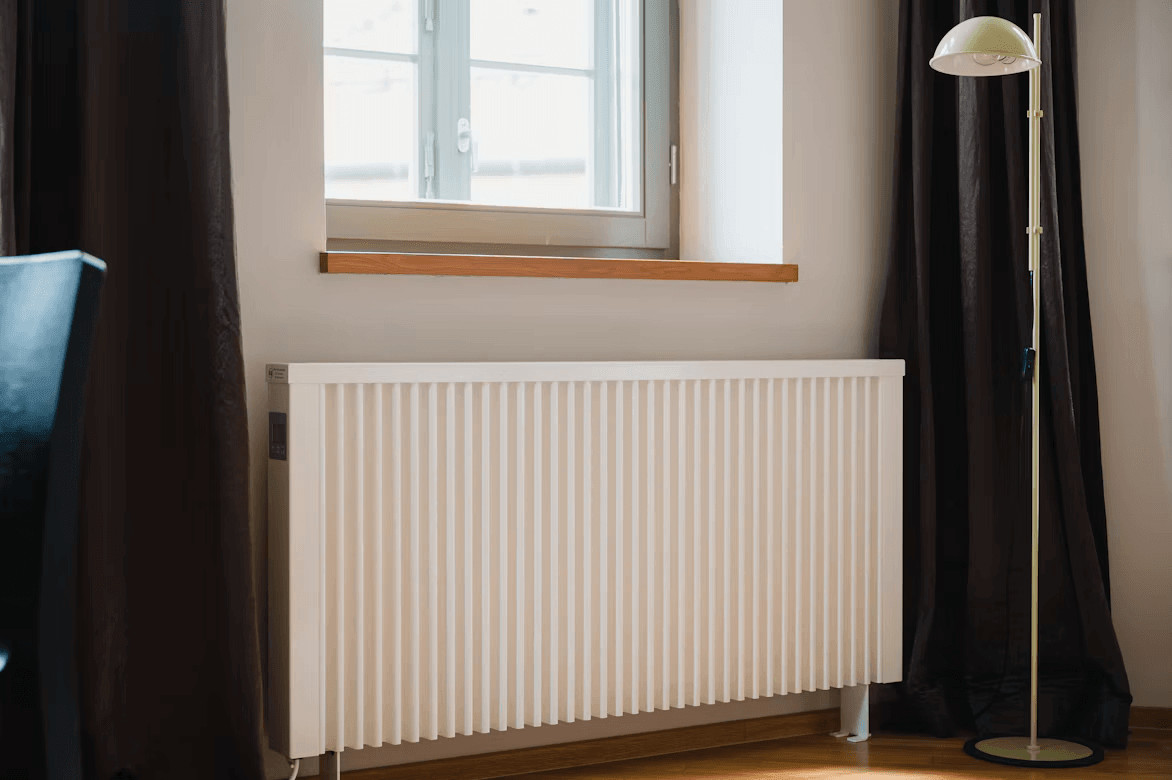
Proactive seasonal maintenance and timely high-efficiency upgrades keep your radiators and baseboards delivering quiet, even warmth through harsh winter weather. By listening for early noises, checking pressure and zone performance, and weighing repair bills against 95%+ AFUE condensing technology, you protect your home comfort without surprise disruptions. A little planning before the deepest cold arrives lets you enjoy calm, cozy rooms all season long.