A tile will have a similar appearance in a showroom and on a pallet, and it will show the difference in a couple of years by cracking at joints and making a hollow sound when walking on the floor. This is typically due to the person who laid it. Here are some points that need to be considered prior to contracting a tile installer.
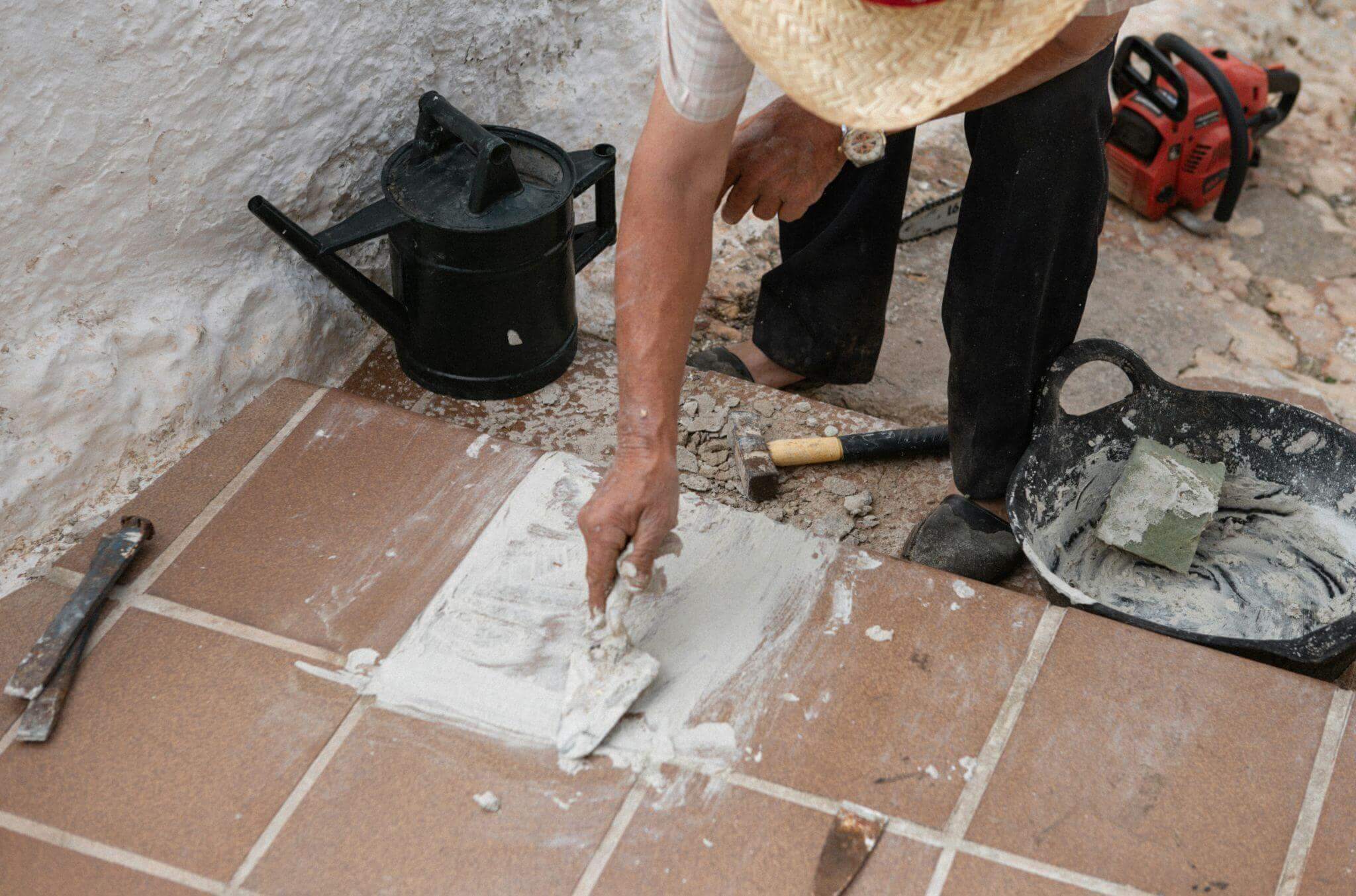
Key Qualifications and Certifications to Look For in a Tile Contractor
In the US, tile installation does not require a federal license, and formally, anyone can take on the work. That is precisely why industry certifications remain the only clear filter for a homeowner. The Certified Tile Installer program from the Ceramic Tile Education Foundation has been running since 2008 and tests actual ability to work according to current standards rather than years of experience.
The exam consists of a written portion and a practical setting supervised by evaluators, with a passing score of 85%. The next level, Advanced Certifications for Tile Installers, is available only to CTI holders or graduates of the IUBAC union apprenticeship and is divided into modules: large format tile, mud beds, and shower pans.
It is also worth checking for company membership in the National Tile Contractors Association with Five-Star Contractor status. Such a set of credentials does not guarantee a flawless result, yet it demonstrates that the contractor holds up-to-date standards in hand rather than working from twenty-year-old memory.
Essential Questions to Ask Before Signing an Installation Agreement
A thoughtful question forces a person to show how they think about the work rather than how well they can sell it. Before signing an agreement, it makes sense to clarify several things:
- Which TCNA Handbook method will be applied to your specific substrate;
- How the shower waterproofing is designed and what system is purchased for it;
- Who will show up on-site, the contractor himself or a crew of subcontractors;
- What happens to the price if a sagging subfloor is discovered under the old covering.
The first point separates specialists better than the rest, since only someone who held the reference manual in hand remembers the method number. Materials are discussed in the same breath: tile requirements for a bathroom, heated floor, and open patio differ, and reviewing how to choose patio tiles saves you from a redo after one season.
Understanding Project Estimates, Cost Factors, and Material Standards
An estimate for tile work almost never boils down to a price per square foot. According to 2026 Angi data, labor costs around $3–15 per square foot, while hourly rates hold in the $60–120 range.
Standards provide a benchmark by which the result can actually be evaluated. ANSI A108 specifies acceptable lippage between adjacent tiles: for joints from 1/16 to 1/4 inch, it is 1/32 inch, roughly the thickness of a credit card.
| Line item | Why it appears | Effect on the bid |
| Substrate flattening | Old slabs rarely sit within tolerance | Extra prep day before setting |
| Adhesive removal | Carpet and vinyl leave glue behind | Grinding labor billed separately |
| Waste allowance | Cuts and breakage during setting | Ten percent on straight lay, more on herringbone |
| Movement joints | Large floors expand and contract | Sealant work and layout planning |
| Debris disposal | Demolition fills a container fast | Haul-away fee on the final invoice |
Every line surfaces after demolition, and a contractor who discusses them in advance saves nerves on both sides. Although the temptation to take a cheaper offer is great, a difference of a few dollars per foot usually means skipped waterproofing or lack of leveling.
Sourcing Experienced Craftspeople and Connecting with Professionals Seeking Tile Jobs
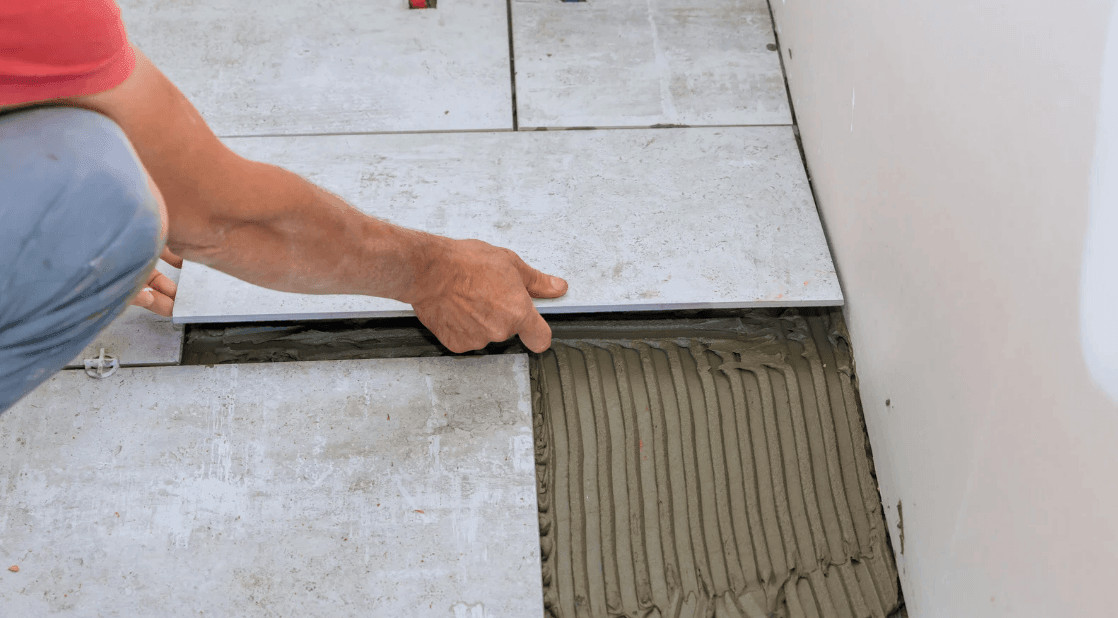
It’s easier to select the tile than to find an installer during peak season. The story in Dallas, TX, is illustrative: If you type in the term “tile jobs” into the Jooble hiring platform, you will see 980 positions remain open with an average salary of approximately $50,200 per year, and these posts are made by both federal-level contractors, such as Empire Today, and local flooring companies. This instant snapshot gives a clear picture of the density of all markets in a given city.
The BLS reports that flooring installers and tile setters had a median income of $52,000 in 2024, and the number of workers was 112,300, with a projected growth of 6% through 2034. Jooble is a website that offers a number of working tools to a contractor who wants to scale up his workforce:
- Use live campaign data in conjunction with daily or monthly budgets;
- Job posting through XML or ATS integration;
- Displaying ads to people who are searching for similar ads in the geographic area;
- An assigned budget accountant to assist in allocating the budget.
The job platform gathers vacancies from all sources in one place, which provides approximately 300,000 new jobs per day and 90 million visitors to the platform per month. The service is free for tradespeople, and the resume builder and data on salary provide an unflattering assessment of an individual’s position. Also, having been around for 15+ years, the platform has developed a good understanding of seasonal sub-segments such as completing work.
Red Flags to Avoid During the Hiring Process to Protect Your Remodeling Investment
Warning signs manifest long before the first bag of adhesive. Demanding full upfront cash payment, refusing a written contract, and unwillingness to name the waterproofing brand add up to a fairly classic trio.
Readiness to lay tile directly over an old covering without inspecting the substrate is also alarming, as is a promise to finish a bathroom in two days. On the contrary, an installer who asks for time to take measurements and check screed moisture saves your future renovation.
Lack of insurance and a state contractor license is a separate risk: in case of a leak to neighbors below, the homeowner will be paying. Still, the most reliable filter remains simple: ask for addresses of completed projects and view the work in person, especially joints and inside corners.
What Actually Protects Your Floor
The decision to hire a tile installer is not made while you are signing estimates but rather when you inquire about standards, substrate preparation, and waterproofing. A set of certifications, a clear estimate, and a live project are more than a collection of reviews. Good tile will last longer than the kitchen in which it is installed.