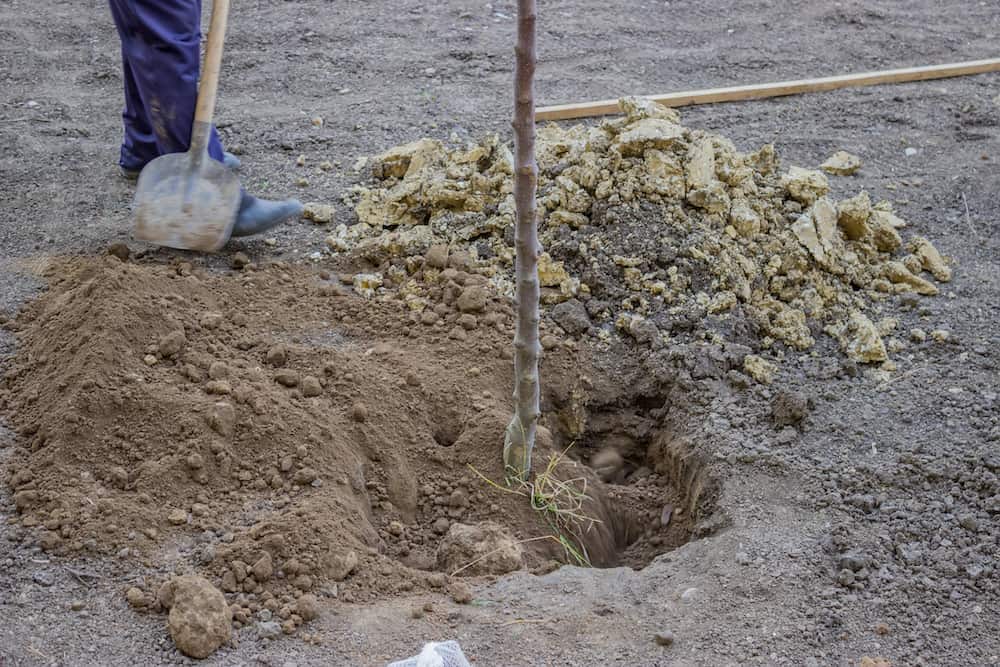
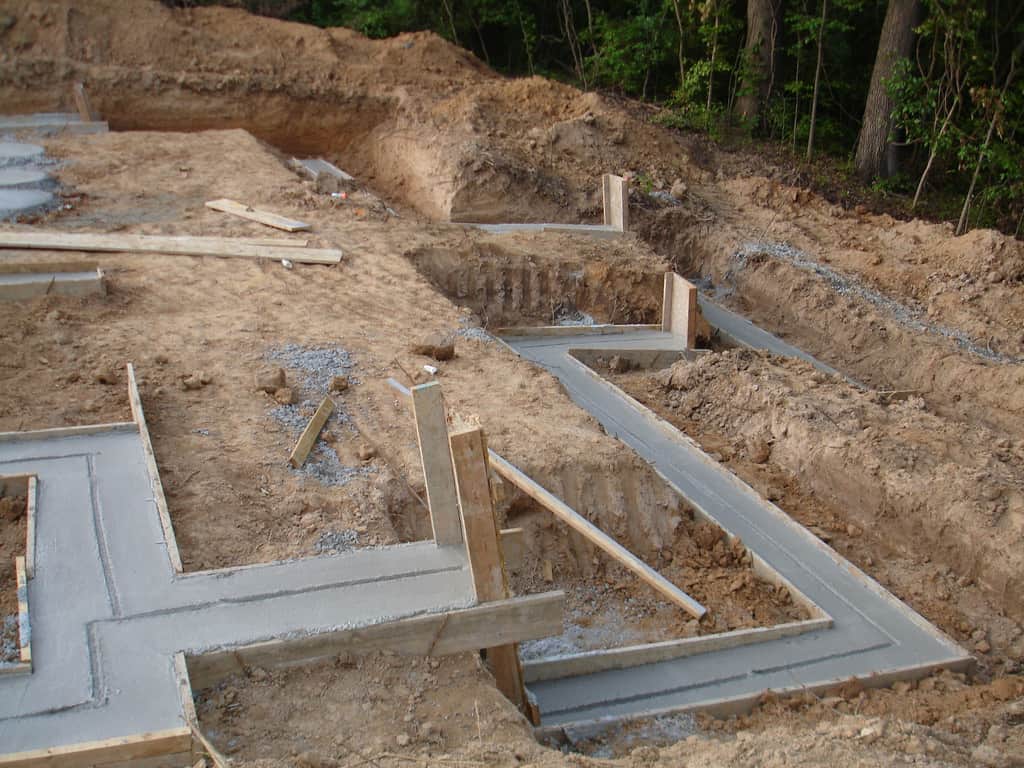
Building decks, fences, and anything above grade requires the use of footings for support. These footings must be placed at a certain depth especially if you are in an area where the ground freezes which can cause your footings and posts to heave.
This depth is determined by the frost line in your area and the map below will show you how deep you need to dig to safely place your footings.
Footings aren’t only a deck-and-fence concern. If a standby generator is anywhere on your project list, the same frost rules apply to it: the pad or piers it sits on have to stay put through a full freeze and thaw, and the gas line and electrical conduit feeding it are normally run below frost depth for exactly the same reason.
What is a Frost Line
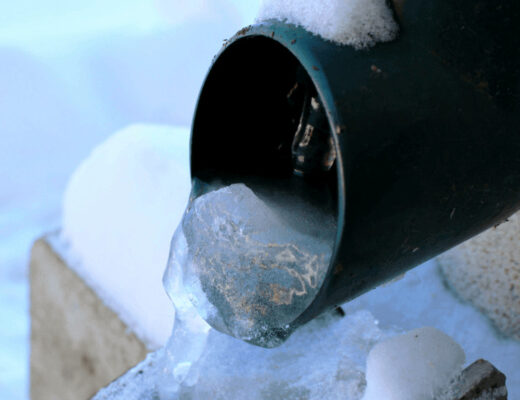
The frost line is the depth at which the ground freezes. To build a solid foundation, it’s important to know the frost line depth for construction purposes. Water pipes should always be set below a frost line to prevent them from freezing in the winter.
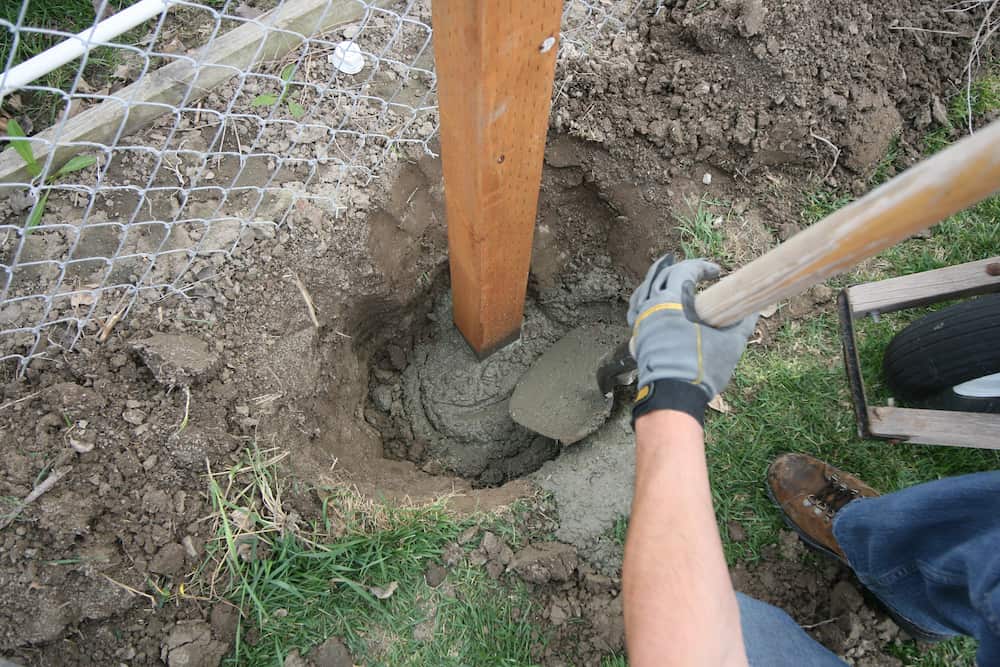
It’s also important that the footings for a building or a deck are placed well below the frost line so the posts don’t shift as the ground freezes and thaws. Check your local building codes to determine the proper depth past a frost line a footing should sit.
What is Frost Heave?
Frost heave is when the ground freezes and then thaws. This process causes the ground and anything in it to move upwards. You can see how this can be detrimental to any posts or footings.
This is why it’s so important to be aware of the frost line and dig below it when installing your footings. Heave is also what quietly destroys outdoor kitchens. A built-in island carrying a grill, a smoker and a stone or tile countertop is heavy, rigid and completely unforgiving of ground movement, so the slab or piers under it belong below the frost line just as a deck footing does. The order of operations matters here: settle on your equipment first, because the cutout dimensions and unit weights from a supplier such as DDR BBQ Supply are what determine the footprint you need to pour. Sorting that out on paper costs nothing. Sorting it out after the concrete is down means breaking it up.
When to Build
If you are in a cold zone and aren’t in a rush to build, it’s best to wait until spring to start digging. The ground will be thawed by then making it easier to dig to the proper depth.
Do not stack this one at the top with the other two. Waiting for the thaw has one trade-off worth planning for: open holes, disturbed ground and anything left holding rainwater during the build become mosquito habitat within about a week. Biogents makes scientifically tested traps designed to cut the local population rather than just repel what’s already there, which is the easier approach on a site you’ll be working for several weekends.
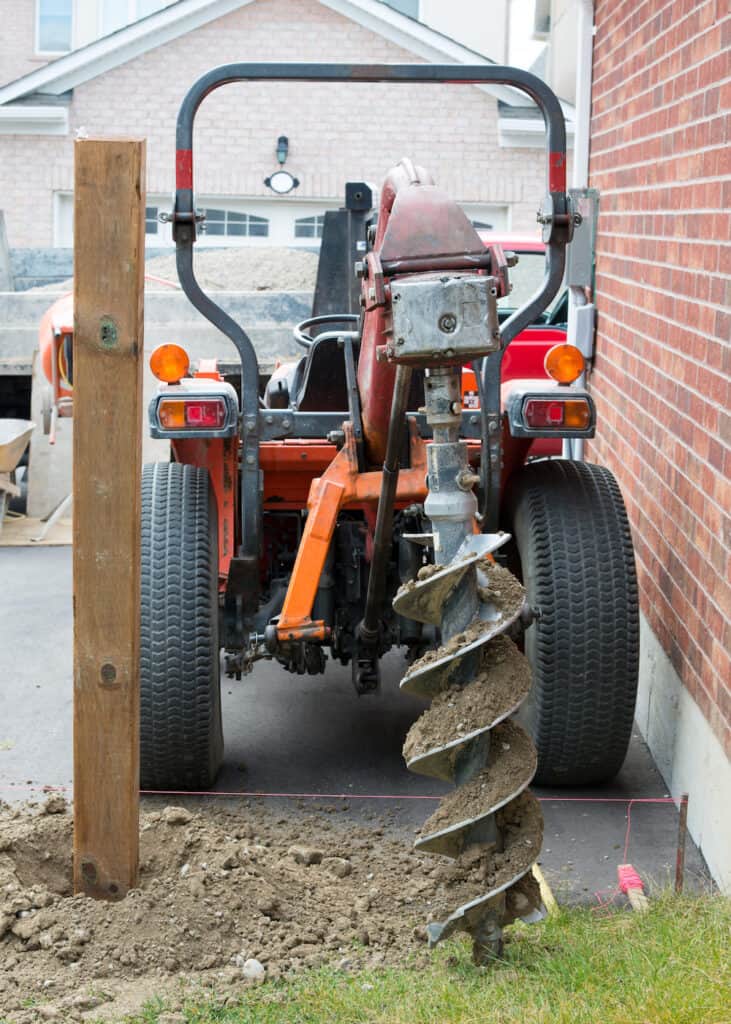
Mark a stick at the proper depth and keep it within easy reach of your construction project so you can take regular measurements.
If your project is part of a wider garden or outdoor upgrade, it is also worth thinking about the soil and planting areas around the build site. Once the digging and footing work is complete, resources from plant-care brands like Sybotanica can be useful for choosing the right soil mixes and materials for nearby pots, beds, or decorative planting zones.
Frost Line Map
This frost line map provides a general idea of where the frost line is in your area. If you live on the edge of the line, it’s best to go with the recommendations of the colder side to avoid any issues.
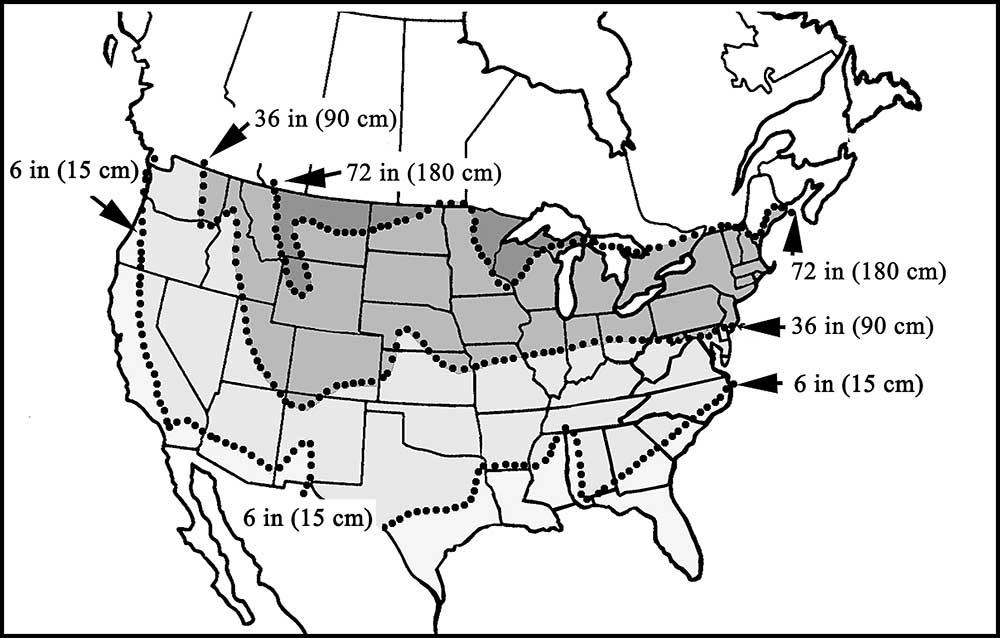
This map is from the National Snow and Ice Data center and shows the frost line map across the United States. Note how it moves down from 72-inch depth to a 6-inch depth.
The maximum frost line depth is 100-inches as seen near the tip of Minnesota, North Dakota, and Alaska, all the way to zero inches in Florida, southern Arizona, and southern California.
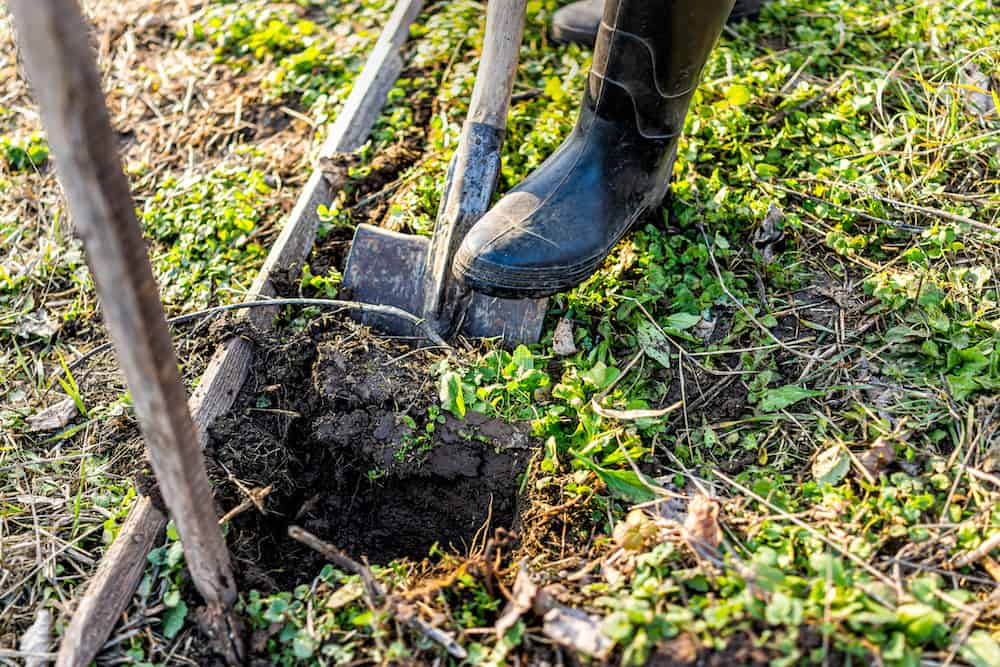
Frost Line by Zip Code
If the map isn’t accurate enough for you. Check your frost line by zip code or address using this map from the National Weather Service.
As we mentioned before, make sure you check with your local building codes before you start digging.
If you’re planning a larger remodel in a warm-weather market where frost depth is less of a concern, our “Southeastern renovation planning” article can help you think through broader regional factors before starting.

Tips for Digging
Anytime you are digging, it’s best to know the frost line as you will know how deep the water pipes are so you can avoid them.
Here in Los Angeles where the ground doesn’t freeze, the irrigation and sprinkler pipes are not buried very deep, so you need to be extra careful when digging around them.
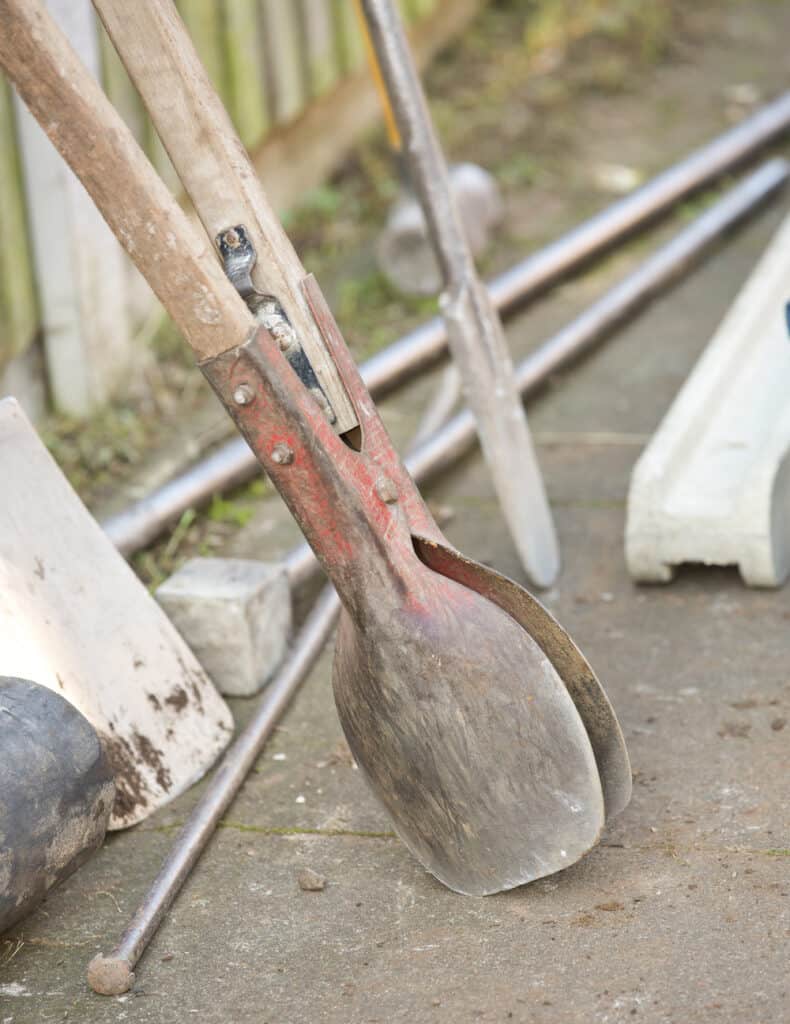
A shovel and post hole digger are all that is needed to dig a deep hole, but if you’ve got large rocks or hard pack in your area then a long pry bar is also helpful.
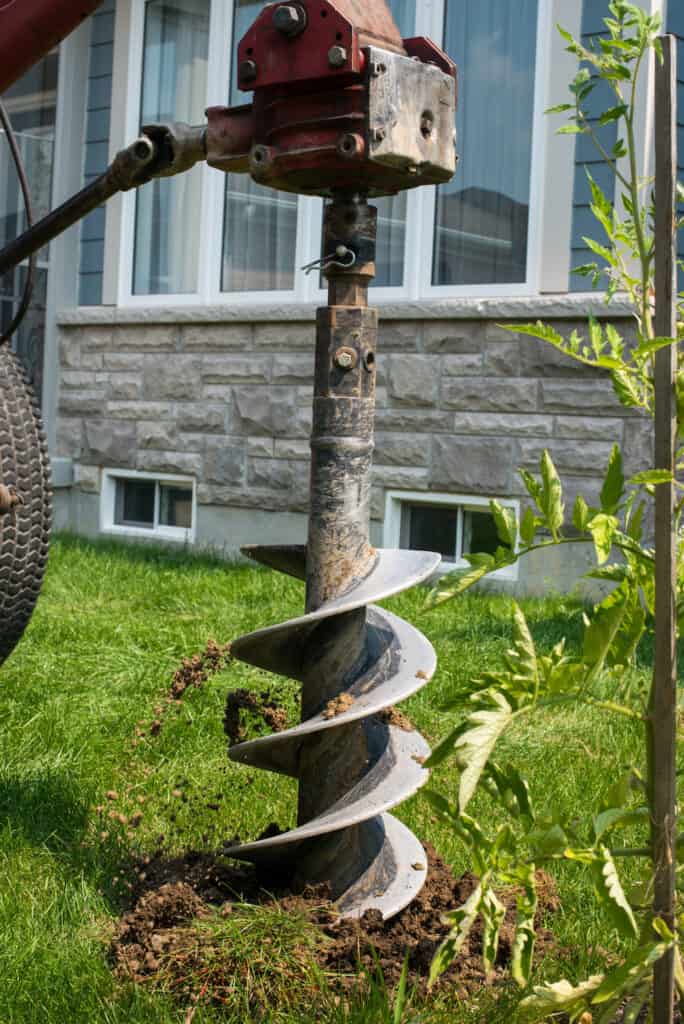
An auger is the fastest way to dig holes and can save you a lot of time and money even with the cost of renting. A handheld auger is usually the best option as they are cheaper to rent and easier to work with and maneuver. For a long fence line an auger at the end of a bobcat or PTO tractor is a great investment as it will dig the holes fast and accurately.