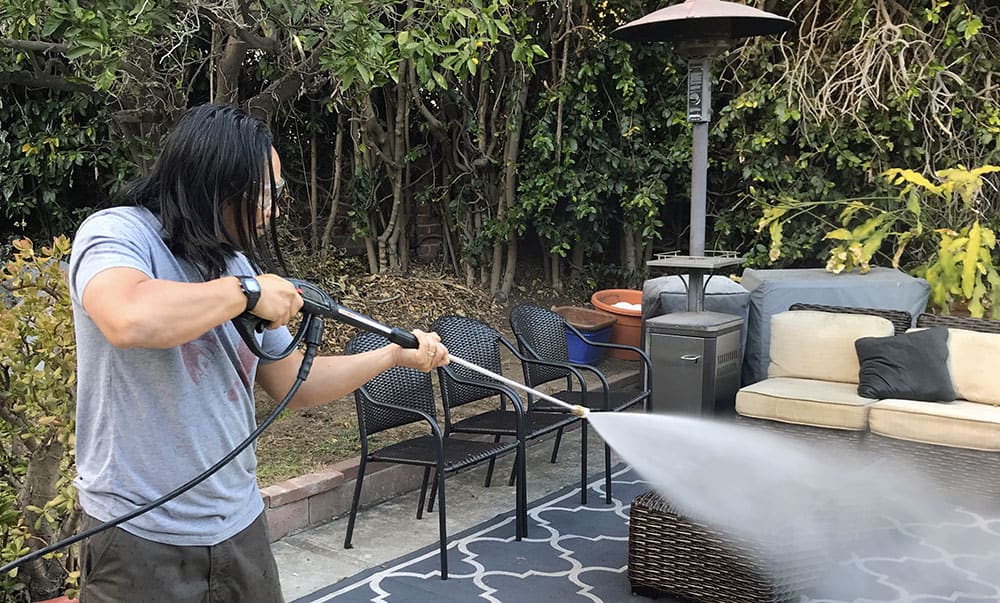
The tile that looked flawless in the showroom has a way of behaving differently once it is outside.
A finish that feels grippy when dry turns slick in the rain, a rich color fades a shade under the summer sun, or a hairline crack appears after the first hard freeze.
None of that is bad luck; it is the predictable result of choosing an outdoor tile for how it looks rather than how it performs. A handful of checks before you buy will save you from all of it. Here is what to run through before you commit a single square foot to your patio.
The good news is that exterior-rated tile has never offered more range, so you rarely have to trade durability for looks.
An OUTERclé collection built specifically for outdoor tiles for patio spaces lets you shortlist on looks and confirm the specs in one place. Start with the six checks below.
Is the tile rated for your climate?
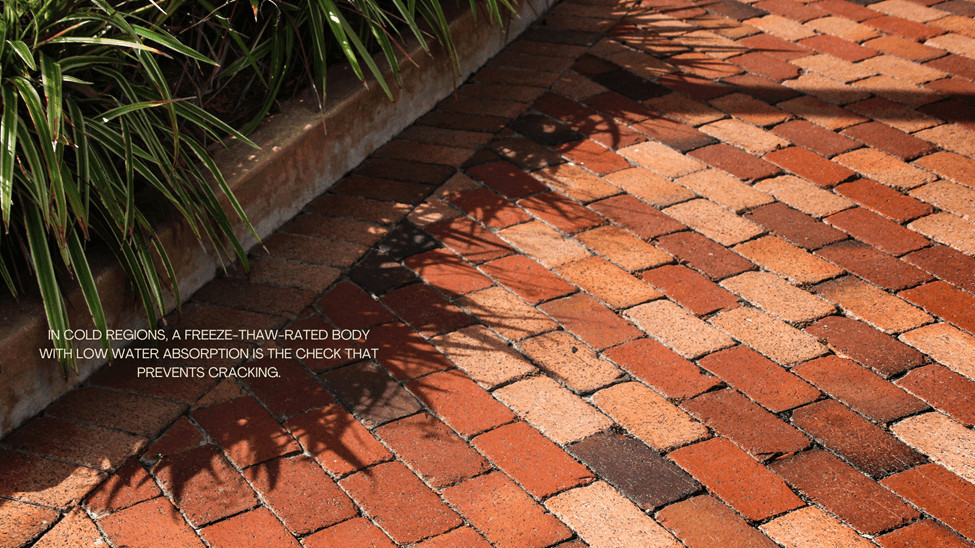
The first question is whether the tile can survive your winters. Water seeps into a tile’s body, and in cold climates it freezes, expands, and cracks the surface over repeated cycles.
Look for tiles described as freeze-thaw rated or frost-proof, which usually means a dense body with very low water absorption. In warm, frost-free regions this matters less, but everywhere else it is the single check most likely to prevent a cracked patio a few winters in.
Confirm the rating on the spec sheet rather than assuming, since “outdoor” on a label does not always mean freeze-thaw tested.
How slip-resistant is it when wet?
A patio gets rained on, splashed, and walked across in bare feet, so traction matters more here than almost anywhere else.
Slip resistance is measured as a Dynamic Coefficient of Friction (DCOF); for wet areas, choose a higher-traction, textured, or matte-grip finish rather than a high gloss.
This is doubly important around pools, steps, and entries, and it becomes a real safety issue as a household ages, a point we make well in our guide to creating a safer backyard.
Ask for the DCOF value, and have slip-sensitive installations checked by a qualified installer.
Will the color and surface hold up to sun and heat?
Full sun is hard on outdoor surfaces. UV exposure can fade pigments that are not stable, and dark tiles can grow uncomfortably hot underfoot in direct sun.
Fired-in glazes and through-body colors hold up far better than dyed or coated surfaces. It also helps to remember that nothing stays frozen in time outdoors: as Deborah Osburn, founder of clé and OUTERclé, puts it, “weather will change most materials the day after installation.”
Choosing a UV-stable, exterior-rated tile is how you make sure that change is graceful rather than disappointing.
What is going underneath the tile?
Even the right tile fails on the wrong base.
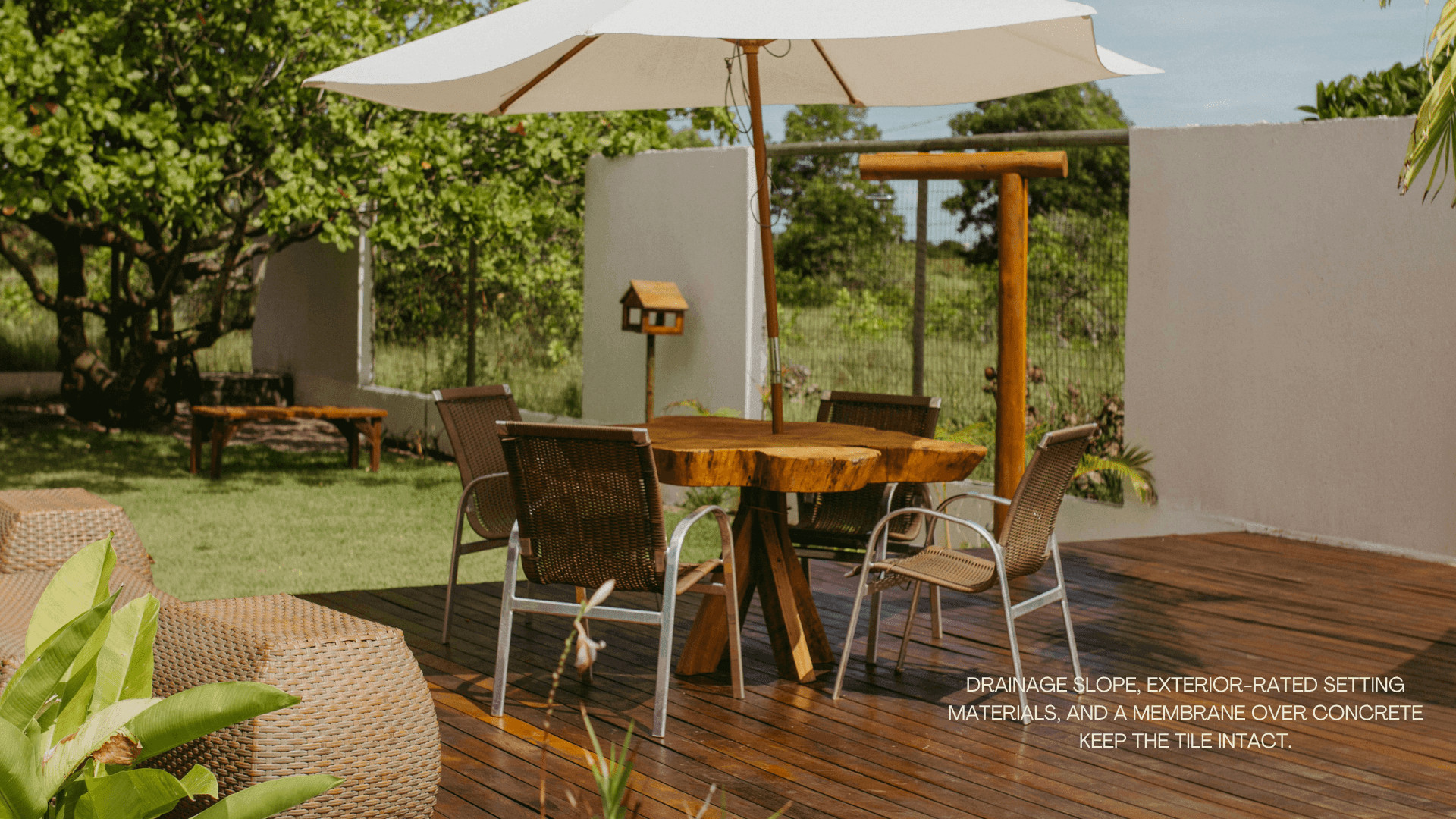
A patio needs a stable, level substrate, a slight fall for drainage (commonly around one to two percent) so water runs off rather than pooling, and setting materials rated for exterior use.
If you are tiling over an existing concrete slab, it must be clean and sound, and often fitted with a crack-isolation or decoupling membrane so seasonal movement does not telegraph up through the tile.
The same climate-first, foundation-first thinking behind any solid outdoor build covers in its pro tips for a durable outdoor deck, applies just as much beneath a tiled patio.
Does it suit how you will actually use the patio?
Match the tile to the life of the space.
A high-traffic entertaining patio, a quiet reading corner, and a pool surround all ask different things of a surface in durability, traction, and scale.
Think, too, about how the patio connects to the house: repeating a tone or material across the threshold makes the outdoor room read as part of the home rather than a separate slab, an idea in its deck designs for indoor-outdoor living. Choosing for real use, not just for the showroom photo, is what keeps a patio working years later.
Have you checked samples, sealing, and lead time?
Finally, handle the practical details before you order. Always get samples and view them outdoors, in real light, next to your existing materials, since handmade and natural tiles shift in tone.
Ask whether the tile needs sealing; porous materials like terracotta and cement usually do, at installation and periodically after.
And confirm lead times early, because artisan or made-to-order outdoor tile can take weeks to arrive and is easy to underestimate in a project timeline.
The short version
Before you fall for a look, run the list: confirm the freeze-thaw rating for your climate, check the wet DCOF for traction, make sure the color and surface are UV-stable, plan the substrate and drainage, match the tile to how you will use the space, and sort samples, sealing, and lead time before ordering.
If the substrate, drainage, or layout involves more than a straightforward DIY job, it may also make sense to hire a professional tile installer to ensure the materials are installed correctly for outdoor conditions.
Get those right, and the tile you love will still be the tile you love several summers from now.