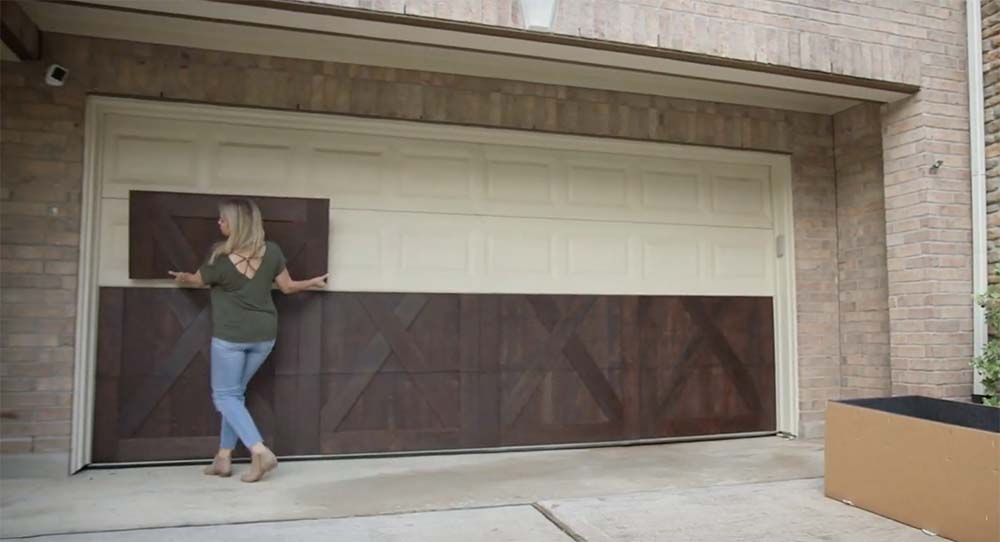
Home renovations are a great way to breathe new life into your space, but the costs can quickly add up. Whether you’re planning a small upgrade or a major overhaul, finding the right way to finance your project can make a significant difference.
While traditional financing options like home equity loans or personal savings are common routes, there are several creative options you may not have considered. These alternatives can offer more flexibility, lower interest rates, or unique benefits to make your renovation dreams a reality.

Cash-Out Refinancing: Unlocking Your Home’s Equity
One of the most popular methods for financing home renovations is cash-out refinancing. This option allows you to refinance your existing mortgage for more than what you owe and take the difference in cash to fund your renovation. The benefit of cash-out refinancing is that it often comes with a lower interest rate than other forms of borrowing, especially if your home has appreciated in value.
For homeowners who have built up significant equity in their property, cash-out refinancing offers a convenient way to access funds without needing to apply for a separate loan. However, it’s important to consider the long-term impact. While the upfront cash is enticing, increasing your mortgage balance could result in higher monthly payments. Additionally, refinancing comes with its own set of fees, so it’s essential to weigh the pros and cons carefully.
Home Equity Line of Credit (HELOC) for Flexible Renovation Financing
Another popular option for financing home renovations is the Home Equity Line of Credit (HELOC). A HELOC is essentially a revolving line of credit that allows you to borrow against the equity in your home. Unlike a traditional loan, a HELOC offers flexibility, allowing you to borrow as needed and only pay interest on the amount you draw.
This flexibility makes a HELOC a great choice for homeowners who want to tackle a renovation project gradually. You may start with a small project and decide to add more improvements later, with a HELOC providing the funds you need at each stage. Additionally, many HELOCs come with competitive interest rates and longer repayment terms.
However, it’s essential to be cautious with HELOCs. While they offer great flexibility, they also carry the risk of turning into a larger debt if not managed properly. The interest rate may be variable, and failing to repay could result in your home being used as collateral, so be sure to evaluate your financial stability before committing.
Partnering with Contractors Offering Financing Plans
Some contractors offer in-house financing or have partnerships with financial institutions, which can be an excellent way to fund your renovation. These financing plans often come with low or zero-interest promotional periods, allowing you to spread out the cost of the project over time without incurring significant interest charges.
This type of financing is particularly useful for homeowners who want to avoid taking on a large lump-sum debt but don’t want to go through the hassle of applying for a traditional loan. However, before signing on the dotted line, make sure to read the terms carefully, especially the interest rate after the promotional period ends. Many plans offer attractive terms initially but can turn into expensive debt if the balance is not paid off within the specified time.
Credit Cards: Useful for Small Renovations
While credit cards are not generally recommended for large home renovation projects due to their high-interest rates, they can be useful for financing smaller, quick-turnaround projects. If you have a credit card with a generous rewards program or low-interest promotional offers, you might be able to take advantage of these perks while completing smaller improvements around your home.
However, this method should only be used for minor renovations that can be paid off quickly to avoid falling into expensive debt. If you have access to premium banking rewards, you may be able to earn cash back or points for your purchases, which can help offset renovation costs in the long run.

Personal Loans for Renovations: A Quick and Simple Option
For smaller renovation projects, a personal loan can be a quick and efficient way to get the necessary funds. Personal loans don’t require collateral, and they often come with fixed interest rates and predictable monthly payments. This makes them an ideal choice for those looking to finance smaller upgrades, such as updating a bathroom, replacing flooring, or adding a fresh coat of paint to the walls.
While personal loans are relatively easy to obtain, they typically have higher interest rates than home equity loans or lines of credit, so it’s important to make sure the costs align with your renovation budget. For homeowners who need a smaller amount of money quickly, personal loans can be a great option, but larger projects may require more substantial financing.
Peer-to-Peer Lending: Borrowing from Individuals
If you prefer to avoid traditional lenders, peer-to-peer lending platforms are another option. These platforms connect borrowers with individual investors who are willing to lend money. Peer-to-peer lending can sometimes offer better interest rates than traditional banks, and the approval process is often less stringent, making it an attractive option for homeowners with less-than-perfect credit.
However, peer-to-peer lending is still relatively new and may not be the best fit for everyone. While the interest rates can be competitive, some platforms charge fees or have higher rates for riskier borrowers. It’s crucial to do your research and understand the full terms before going this route.
Conclusion
Home renovations don’t have to break the bank. With a variety of creative financing options available, homeowners can find the right solution to suit their budget and needs. Whether you opt for a cash-out refinance, explore renovation-specific loans, or take advantage of contractor financing plans, it’s important to carefully consider the pros and cons of each option. By choosing the right financing method, you can turn your renovation vision into a reality without compromising your financial future.