A knee-high garden wall is one of the most satisfying weekend builds around. You rent a plate compactor, haul some gravel, stack a few courses and step back to admire a flat bed. Go much taller, though, and the job changes from landscaping into structural engineering.
That line is easy to cross by accident, especially on a hilly lot. In Queensland’s Moreton Bay region, north of Brisbane, it is also written into building law. Once a wall moves past the DIY range, the sensible call is retaining wall experts in Moreton Bay who design for the soil and drainage on that site. This guide marks where the line sits, so you can tell which side your project falls on. It also walks through the tools, soil and drainage that decide whether a small wall lasts.
What Height Can You Build Yourself In Queensland?
The magic number is 1 meter, or about 3.3 feet. The City of Moreton Bay retaining walls page sets out when building approval kicks in. Any wall over 1 meter needs it. A lower wall can need it too in a few situations:
- It sits within 1.5 meters (about 5 feet) of a building or another retaining wall.
- Something heavy, like a driveway, shed or slab, loads the soil above it.
- It forms part of a swimming pool barrier.
- A fence on top brings the combined height above 2 meters.
The council also wants the whole structure, footings and drainage included, inside your property line. That rules out the classic shortcut of pouring a footing that creeps onto a neighbor’s lot.
Which Tools Does a Low Garden Wall Really Need?
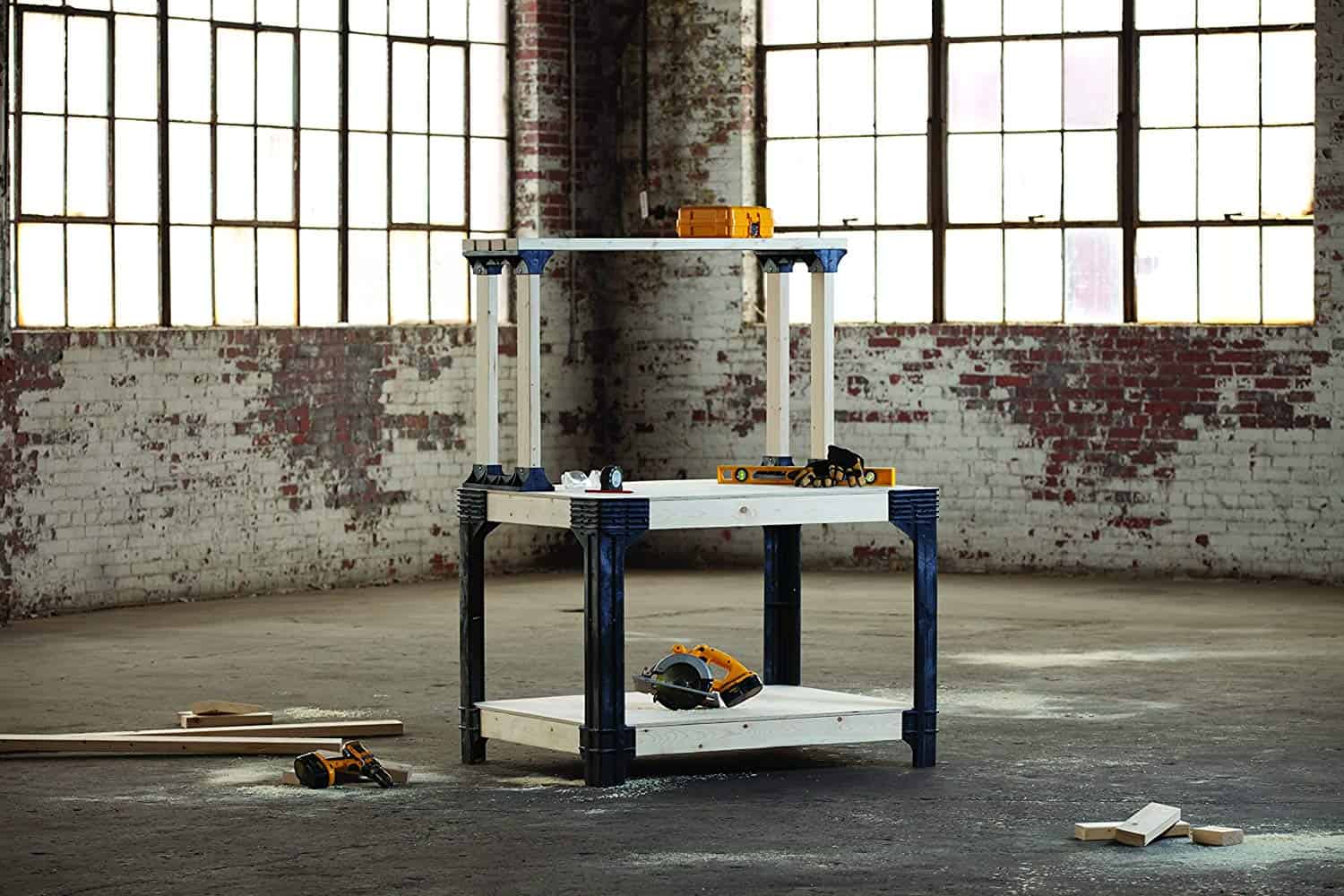
A sub-1-meter wall built from timber sleepers or interlocking blocks needs no exotic gear. Most of it is already in a well-stocked garage, and the rest rents by the day.
- A round-point shovel and a trenching spade for the footing trench.
- A 4-foot level and a string line to keep each course true.
- A rented plate compactor for the gravel base.
- A dead-blow hammer or rubber mallet for seating blocks.
- A circular saw or masonry saw, depending on the wall material.
- A wheelbarrow, gloves, eye protection and good knee pads.
Cordless gear makes the job far less miserable. A long day of cutting sleepers is easier without a cord across a wet yard, which is one more point in favor of battery-powered yard tools. Keep a second charged pack on hand, since a saw drains batteries fast in dense hardwood. Rent the compactor for a full day rather than a half day. Base prep always takes longer than planned, and a rushed base is the first thing to fail.
How Do Moreton Bay Soils Change the Job?
Soil is where Moreton Bay gets tricky. Many inland suburbs, from Narangba to Morayfield, sit on reactive clay. Clay swells when wet and shrinks in dry spells, so it pushes and pulls on a wall all year.
Coastal areas behave differently. Sandy ground around Bribie Island and Deception Bay drains fast but offers less grip for a footing. Low-lying land near the Caboolture River and the Pine Rivers also floods in big storms.
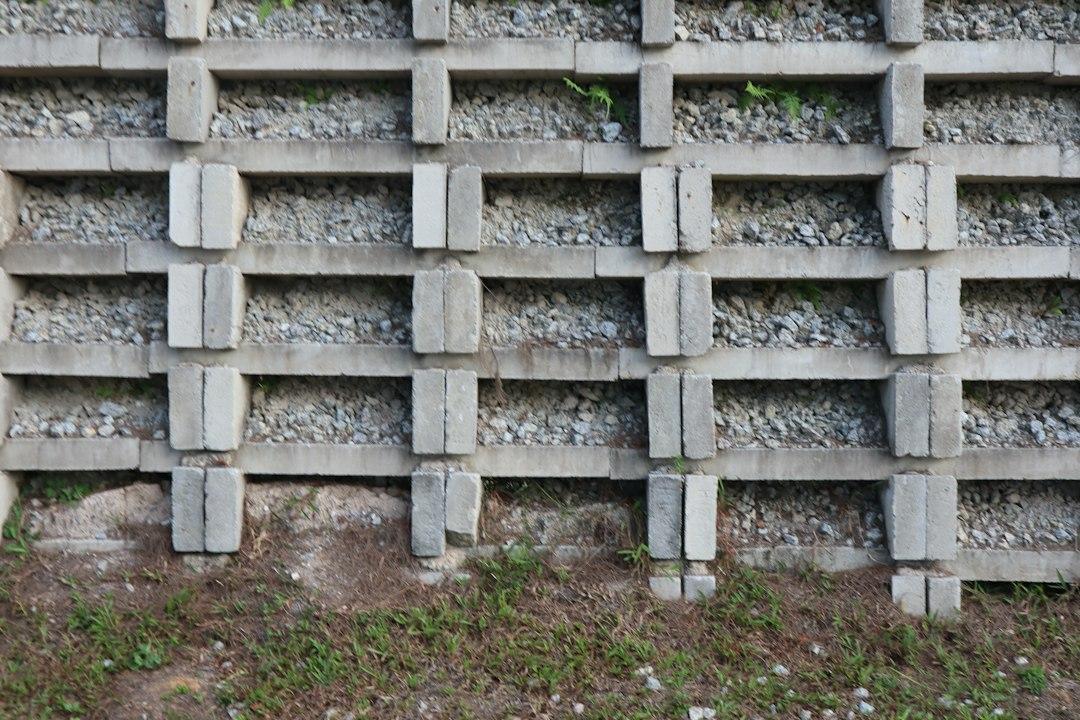
Water is the force that knocks walls over. Saturated soil weighs far more than dry soil, and it presses hard on the back of the wall. That is why every wall, even a short one, needs:
- A free-draining gravel zone directly behind the wall.
- A slotted ag pipe at the base that drains to a safe outlet.
- Weep holes or open joints so trapped water can escape.
- Geotextile fabric to stop fine soil clogging the gravel.
What Signs Mean You Should Call an Engineer?
Some projects announce their limits early. If your plan includes any of the following, put the shovel down and get a design first.
A wall that steps up in tiers close together often counts as one tall wall for approval purposes. A wall holding up a driveway or carport carries a surcharge load. A wall on a slope that already shows cracks, leaning fences or wet patches has a drainage problem that needs diagnosis, not just new blocks.
Those projects tend to need an engineer’s design and a certifier’s sign-off. Planning them alongside the rest of the yard also pays off, since planning the whole yard first avoids costly rework. Drainage, paths and planting all depend on where the walls go.
Who Can Legally Build the Wall for You?
Queensland licenses retaining wall work through the Queensland Building and Construction Commission. Walls short enough to skip engineering certification under local rules fall under a structural landscaping trade license. Taller engineered walls call for a builder with the right license class.
Before you sign a quote, ask a few direct questions:
- What license number do you hold, and does it cover this wall height?
- Who designs the wall, and who handles the council approval?
- What drainage goes behind the wall, and where does it discharge?
- Which material do you recommend for my soil, and why?
Frequently Asked Questions
Is a Low Wall a Fair DIY Job In Moreton Bay?
Yes, for a low wall. A wall up to 1 meter high, well clear of buildings and other walls and with nothing heavy above it, usually needs no building approval. It still needs proper drainage and a compacted base.
What Is the Best Material for a DIY Retaining Wall?
Interlocking concrete blocks are the most forgiving for beginners. Treated timber sleepers are cheaper but can rot in wet clay over time. Concrete sleepers last longer but are heavy and awkward to handle alone.
Why Do Retaining Walls Fail?
Poor drainage causes most failures. Water builds up behind the wall and pushes it outward. A weak or shallow footing on reactive clay adds to the problem.
Does a Fence On Top Change the Rules?
It can. In Moreton Bay, a wall and fence with a combined height over 2 meters may need approval or a siting variation. Check the council rules before you add the fence.