When purchasing a garage door, many homeowners focus on appearance, style, and durability, but one critical factor often overlooked is the R-value.
The R-value measures a door’s insulation effectiveness, which directly impacts energy efficiency, indoor comfort, and long-term utility costs.
Understanding garage door R-values is especially important in climates with extreme temperatures, but it’s a consideration for every home.
Before investing in a new garage door, it’s important to check your garage door’s R value before buying to ensure it meets your energy-saving goals.
What Is R-Value?
R-value is a measure of thermal resistance. The higher the R-value, the better the material is at resisting heat transfer. For garage doors, this rating indicates how effectively the door keeps conditioned air inside the garage and prevents outdoor temperatures from affecting the interior.
- Low R-value (0–5): Minimal insulation, common in single-layer steel doors
- Moderate R-value (5–10): Insulated doors with one layer of foam or composite
- High R-value (10–20+): Premium multi-layer insulated doors, ideal for energy efficiency
Why Garage Door R-Value Matters
Insulation in a garage door can have a significant impact on your home:
- Energy Savings: High-R doors reduce heat loss in winter and heat gain in summer, lowering HVAC costs
- Temperature Control: Helps maintain a stable garage temperature, which can benefit attached rooms
- Comfort and Functionality: Reduces drafts and cold air infiltration, making the garage more usable year-round
- Protection for Stored Items: Sensitive items stored in the garage are less affected by temperature swings
Homes with attached garages benefit the most, as the garage often shares walls with living spaces. A well-insulated door can prevent heat transfer that would otherwise increase energy consumption.
Types of Garage Doors and Insulation
- Steel Doors
- Can be single-layer (non-insulated) or insulated with polyurethane or polystyrene foam
- R-values range from 0 to 12 depending on construction
- Durable and low-maintenance
- Aluminum and Glass Doors
- Often more for style and curb appeal
- Typically, lower insulation performance, but energy-efficient glass options are available
- Modern aluminum doors can include insulated panels for improved R-value
- Wood Doors
- Natural insulator with moderate R-value
- May require additional foam backing for higher energy efficiency
- Aesthetic and durable, but require more maintenance
- Composite Doors
- Made from wood fibers, PVC, or fiberglass
- Can include insulated cores to achieve higher R-values
- Balance of energy efficiency and visual appeal
Factors Affecting Garage Door Insulation Effectiveness
- Door Thickness: Thicker doors usually offer higher R-values
- Material Type: Polyurethane foam provides superior insulation compared to polystyrene
- Seals and Weatherstripping: Proper sealing around the door reduces drafts and enhances performance
- Installation Quality: Poorly installed doors can compromise R-value, even with high-quality materials
How to Determine the Right R-Value for Your Home
- Climate Considerations: Colder climates require higher R-values for winter energy efficiency, while hotter climates benefit from insulation that reflects heat
- Garage Usage: If your garage is a workshop, gym, or attached to the home, higher insulation is worthwhile
- Budget: Higher R-value doors cost more upfront but provide long-term energy savings
- Energy Efficiency Goals: Pairing an insulated door with proper ventilation and garage insulation maximizes performance
Benefits Beyond Energy Efficiency
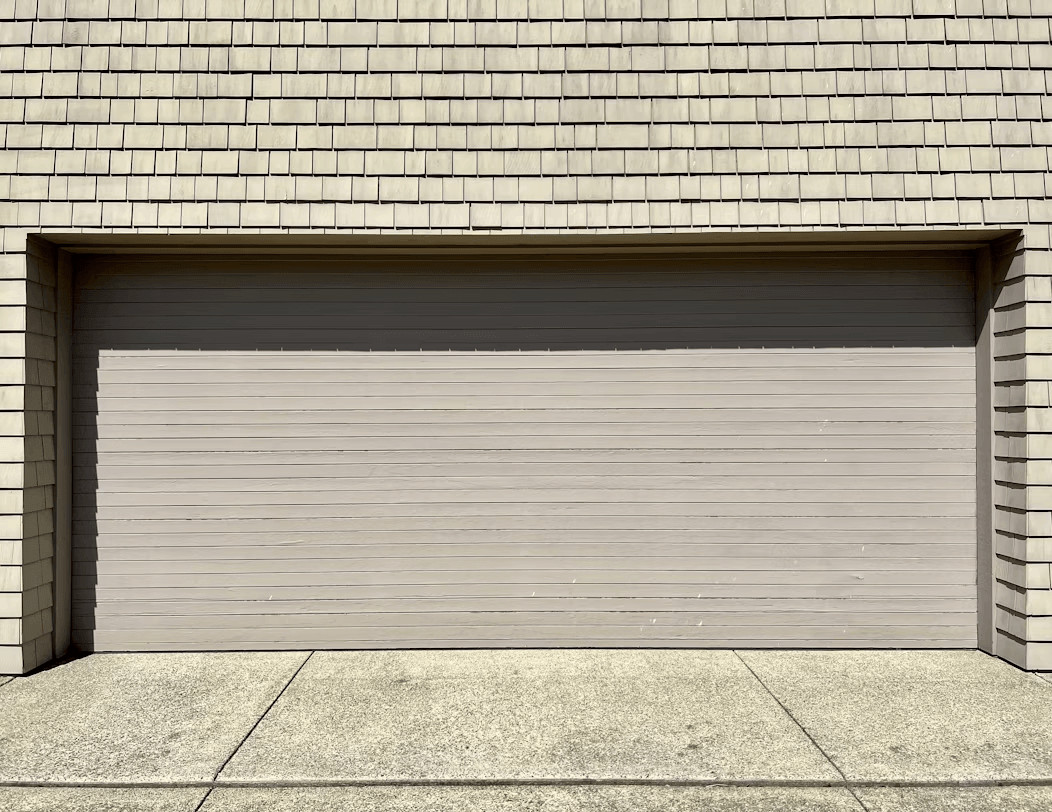
Insulated garage doors provide advantages beyond lower utility bills:
- Noise Reduction: Multi-layer insulated doors absorb sound better than non-insulated doors
- Durability: Insulated doors are often sturdier and resist dents and warping
- Increased Property Value: Homes with energy-efficient upgrades, including insulated garage doors, may see better resale value
Professional Advice
While homeowners can check R-values and compare doors online, professional installation ensures:
- The R-value performs as rated, with proper sealing and alignment
- Long-term reliability and warranty coverage
- Recommendations for door types suited to your home’s climate and energy goals
Working with experts can simplify the decision process and ensure that your garage door meets both functional and energy-saving expectations.

Conclusion
Checking your garage door’s R-value before buying is an essential step in ensuring energy efficiency, comfort, and long-term cost savings.
Insulation impacts more than just the garage — it affects the temperature of attached spaces, energy bills, and overall home efficiency. Choosing the right material, thickness, and installation ensures that the door performs as intended.
For homeowners looking to maximize insulation and energy efficiency, evaluating R-values and consulting with professionals is a critical part of the garage door selection process.