Moving into a busy urban neighborhood can be exciting, but limited street parking and strict loading rules can quickly complicate moving day. A truck that cannot park close to the property may cause delays, increase labor time, and create problems for neighbors.
This relocation checklist explains how to plan for permits, loading zones, truck access, and street parking before the moving crew arrives.
Understand the Street Layout Before Moving Day
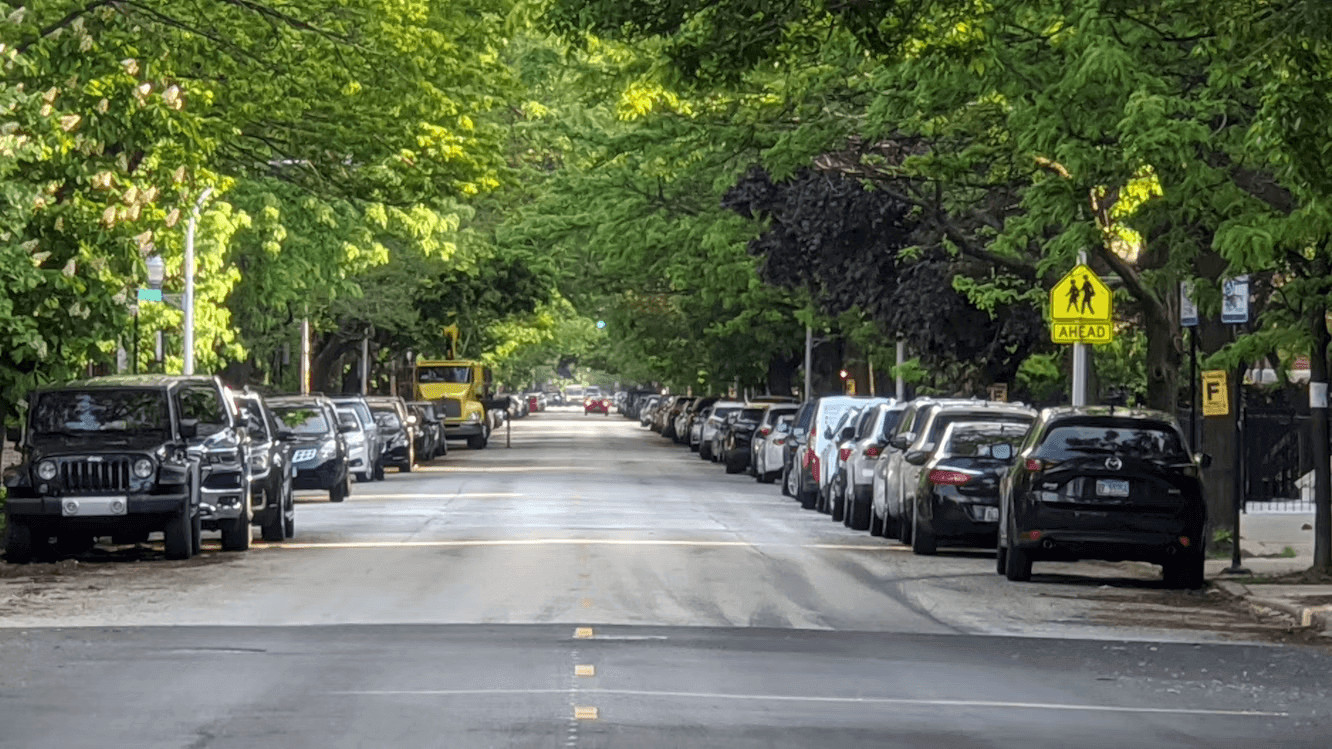
Dense residential neighborhoods often have narrow streets, limited curb space, bus stops, fire hydrants, alleys, and parking restrictions. Before confirming your moving date, inspect the block where the property is located.
Check the street width, nearby signs, overhead branches, utility lines, and the distance between the closest legal parking space and the entrance. These details can affect the size of truck that can access the property and how efficiently belongings can be unloaded.
Check Local Moving-Permit Requirements
Some cities require a temporary parking or moving permit when curb space needs to be reserved for a moving truck. Requirements, fees, and application deadlines vary by location, so contact the local transportation or parking authority in advance.
When applying, you may need to provide:
- The moving date and expected hours
- The exact address or block
- The side of the street being reserved
- The number of parking spaces required
- Information about the moving vehicle
Temporary signs may also need to be displayed before the move. Confirm how early they must be posted and keep a copy of the approved permit available on moving day.
Review Loading-Zone and Parking Restrictions
A loading-zone sign does not always mean a moving truck can remain there for several hours. Some loading areas are restricted to commercial deliveries, certain vehicle types, or specific times of day.
Read every sign carefully, including restrictions related to:
- Street cleaning
- Permit-only parking
- Bus stops
- Fire hydrants
- Tow-away zones
- Time-limited loading areas
Residential curb space reserved through the appropriate permit process is usually a safer option than relying on an existing commercial loading zone.
Plan for Limited Truck Access
Truck access can be affected by narrow roads, low tree branches, utility lines, tight corners, and parked vehicles. Confirm the truck’s dimensions before moving day and compare them with the conditions around the property.
Working with experienced Chicago movers can be particularly helpful when relocating within dense neighborhoods such as Bucktown, where narrow streets, active alleys, and limited curb space may require additional planning.
Also consider where the moving crew will park their personal vehicles and whether the building has a designated service entrance.
Prepare the Reserved Parking Area
Confirm that all required permits have been approved before moving day. Post temporary signs within the required timeframe and inspect the area the evening before the move.
Use this checklist:
- Confirm the permit and reservation details
- Check that temporary signs remain visible
- Make sure the reserved curb space is clear
- Keep the permit number accessible
- Avoid blocking alleys and driveways
- Leave a safe path between the truck and entrance
- Check for street-cleaning or time-based restrictions
Communicate With Your Neighbors
Even with all the proper permits in place, a smooth Bucktown move often comes down to neighborly communication. Let nearby residents know your moving date and approximate time frame. A quick conversation or a friendly note on the building’s front door can reduce tension and encourage people to voluntarily move their vehicles from reserved spaces.
If you live in a condo or apartment building, coordinate with your property manager or HOA. They may have additional rules for move-ins, such as using a specific entrance, protecting elevators, or restricting moves to certain hours. Aligning building policies with city parking rules will help you avoid conflicts or last-minute surprises.
Wrap-Up: Move With Confidence
Handling street parking and loading zones in Bucktown does not have to be stressful. By understanding the neighborhood layout, securing a moving permit in advance, planning for limited truck access, and communicating clearly with neighbors, you can keep your move day running on schedule. Working with experienced Chicago movers who know Bucktown’s streets can make the process even smoother.
With thoughtful preparation and respect for local parking rules, you will be able to focus less on logistics and more on settling into your new Bucktown home and enjoying everything this vibrant Chicago neighborhood has to offer.