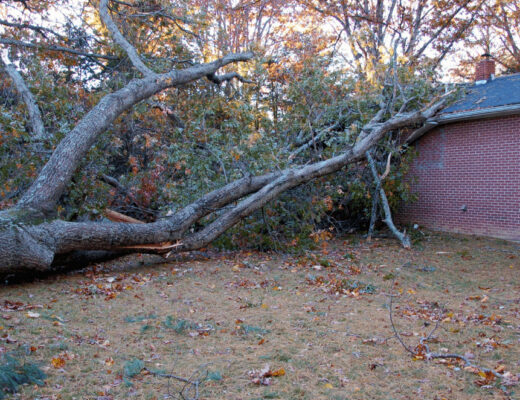
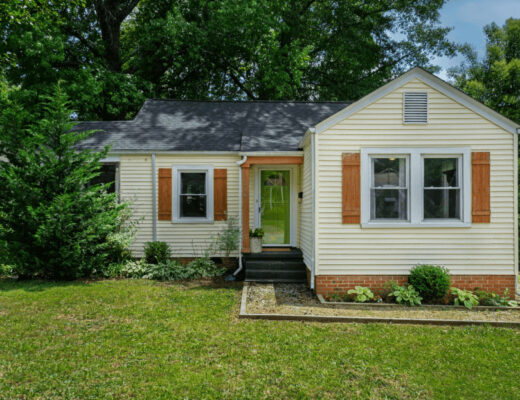
Imagine, you walk out your back door with a cold drink. The sun is setting. You sit on a perfect patio. Your plants are lush and green. Everything looks like a magazine cover. Then you look at your actual yard. It is a patch of weeds, a broken plastic chair, and a pile of dirt.
So, you decide to fix it yourself to save money. No doubts, that is a great goal. DIY projects can be fun. They give you a sense of pride, but they can also turn into a money pit very fast. If you do not plan right, you will spend more on fixes than you did on the actual project. Let’s learn how to plan your backyard DIY project like a pro and avoid the most common design mistakes.
Start With a Plan, Not a Shovel
The biggest mistake is starting without a clear image. People go to the garden center, then see a pretty flower and buy ten of them. They go home and realize they have no place to put them. This is how you waste hundreds of dollars in a moment.
Before you buy a single bag of mulch, you should create a plan. You need to know where the sun hits and where the water goes when it rains. Decide on how you actually want to use the space.
If you feel stuck, use a landscape design selection tool. It helps you see what works better for your backyard before you spend a dime. It is much cheaper to move a digital tree than a real one. Once you have a map of your yard, everything else gets easier.
Respect the Water
Drainage isn’t exactly the most exciting topic. No one dreams of “properly planning their yard.” However, if you ignore this issue, your backyard will turn into a swamp.
During a rainstorm, take a look around your yard. Where does water pool? Is it moving toward your home’s foundation? If so, that could cause problems. First, level the ground. If necessary, install a drainpipe. It’s a boring job, but it will save you money in the long run.
The “Right Plant, Right Place” Rule
This sounds simple, but people mess it up constantly. You see a shrub at the store. It looks small and cute, so you plant it right next to your house.
Five years later, that “cute” shrub is now a giant bush. It is blocking your window and its roots are cracking your sidewalk. Now you have to pay someone to cut it down and grind the stump.
Always read the tag and check the “mature height” and “width.” Give the plant space to grow.
Also, think about your climate. Do not buy a tropical palm tree if you live in a place with snow. Stick to plants that love your local weather. They will grow faster and need less water.
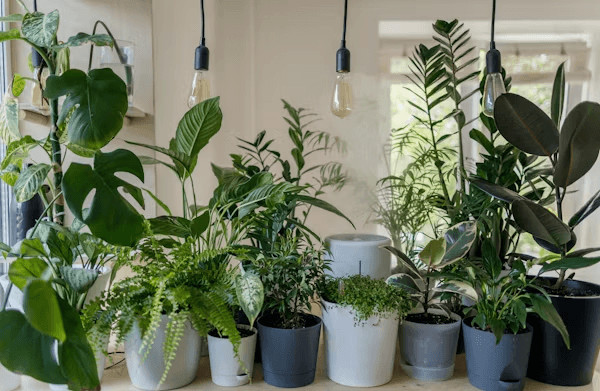
Do Not Forget the Lights
Most people only think about their yard during the day. However, you probably will use it at night too. Cheap solar stakes from the dollar store are okay for a path. But they do not provide real light. If you want to eat dinner outside, you need real illumination.
Plan your power needs early. If you are digging a trench for a path, throw an electrical conduit in there too. It is much easier to run wires now than to dig up your new grass later. Proper lighting makes a cheap DIY project look like a million-dollar renovation.
The Hidden Cost of “Cheap”
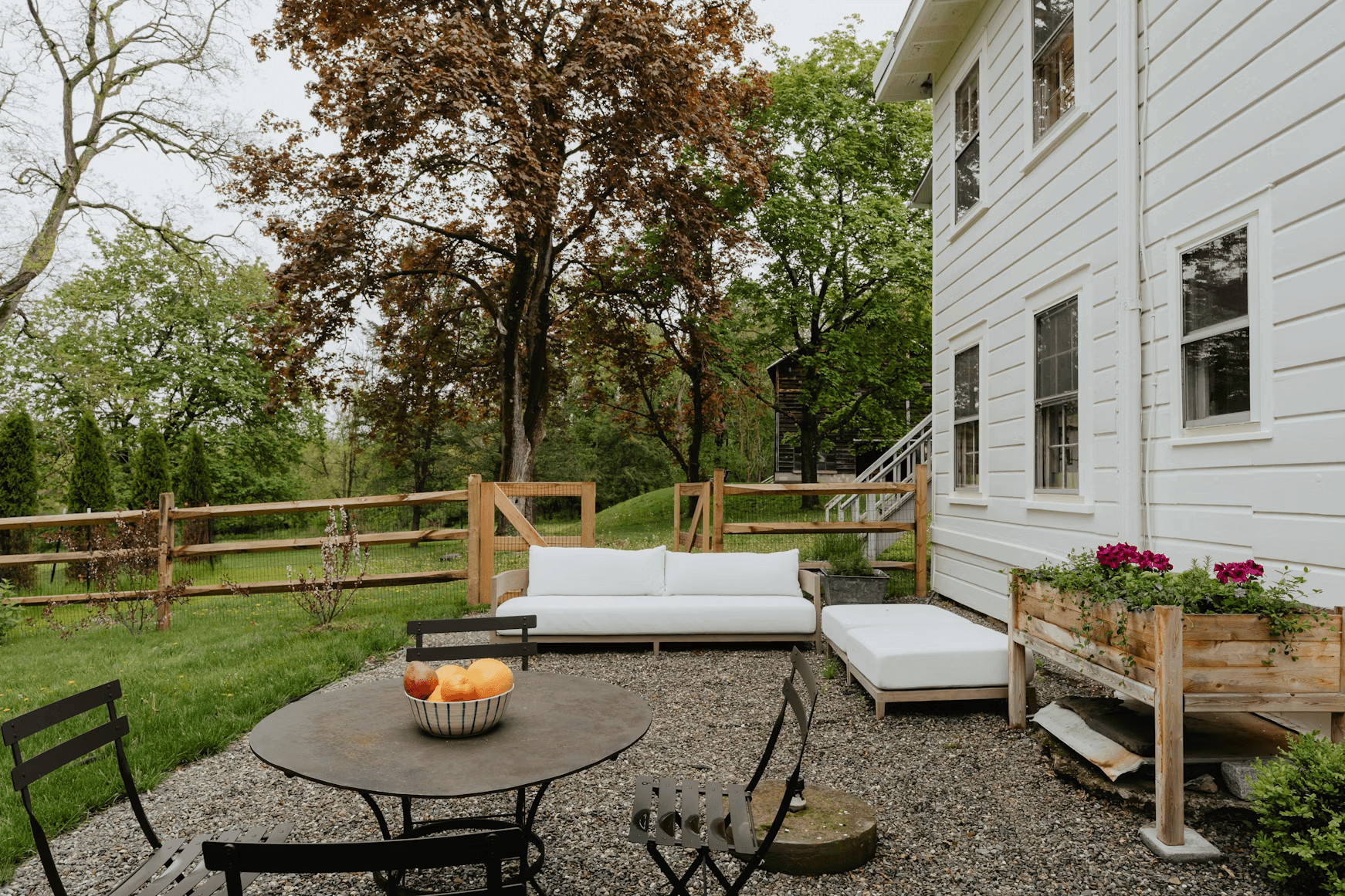
It’s not a secret that most of us want to save money. But sometimes, the cheap option is the most expensive one. Take wood, for example. If you build a deck with cheap, untreated pine, it will rot in three years. You will have to build the whole thing again. If you buy pressure-treated wood or composite, it costs more today. However, it lasts twenty years.
The same goes for tools. Do not buy the cheapest shovel in the bin. The handle will snap on your first hole. Buy a good one that will stay in your garage for a decade.
Think About the Upkeep
A high-maintenance yard is a mistake for most people. We all have jobs and kids. So, if you plant a massive rose garden, you have to prune and feed it. If you do not have three hours a week to spend on roses, they will look terrible.
Choose “low-work” designs. For example, use mulch to stop weeds. Set up an automatic drip system for water. A simple, clean yard looks better than a fancy, messy one.
Scale Matters
Have you ever seen a tiny patio with a massive dining table? You can’t even pull the chairs out without falling into the grass. How about a huge lawn with one tiny chair in the middle?
Scale is how things fit together. Before you build a patio, get some chalk. Draw the shape on the ground. Put your outdoor furniture inside those lines. Can you walk around? Does it feel cramped?
Do the same for paths. It should be wide enough for two people to walk side-by-side. Usually, that is about four feet. A skinny path feels cheap and awkward.
The Power of Soil
Plants do not grow in dirt. They grow in soil and there is a difference. Most backyard dirt is full of clay or rocks and has no nutrients. If you simply dig a hole and plant a plant in it, it won’t take root very well.
Spend your money on good compost and mix it into your beds. It is like vitamins for your garden. Good soil makes plants grow faster and stay healthy, so they won’t need expensive sprays or replacements.
Don’t Rush the Process
The biggest mistake is trying to finish everything in one weekend. A good yard takes time. Start with the hard stuff. Do the grading, the drainage, and the patios first. Then move to the big trees. Then do the shrubs. Finally, add the flowers and the decor.
Final Thoughts
A well-planned DIY yard is a joy. It adds value to your home and gives you a place to relax. That kind of outdoor freedom is also worth considering when weighing a high-rise versus traditional home, since having your own yard gives you far more room to landscape, build, and experiment with outdoor projects. If you take your time and avoid these common mistakes, you will have a space you love for years to come. And your wallet will thank you too.