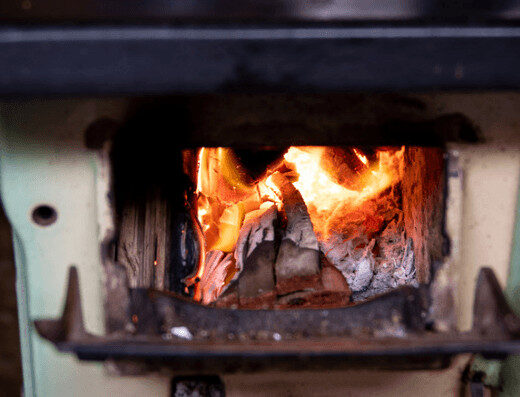
Good firewood should give you steady heat without filling the room with smoke or leaving the chimney coated in creosote. When logs are too wet, split poorly or stored where they can’t dry, you end up burning more wood for less heat.
A lot of that can be avoided before the first log goes into the fireplace or wood stove. Pay attention to the species you’re buying, check that the wood is properly seasoned, and keep it dry once you get it home. Whether you cut your own firewood or have it delivered, those details make a noticeable difference once it’s time to light a fire.
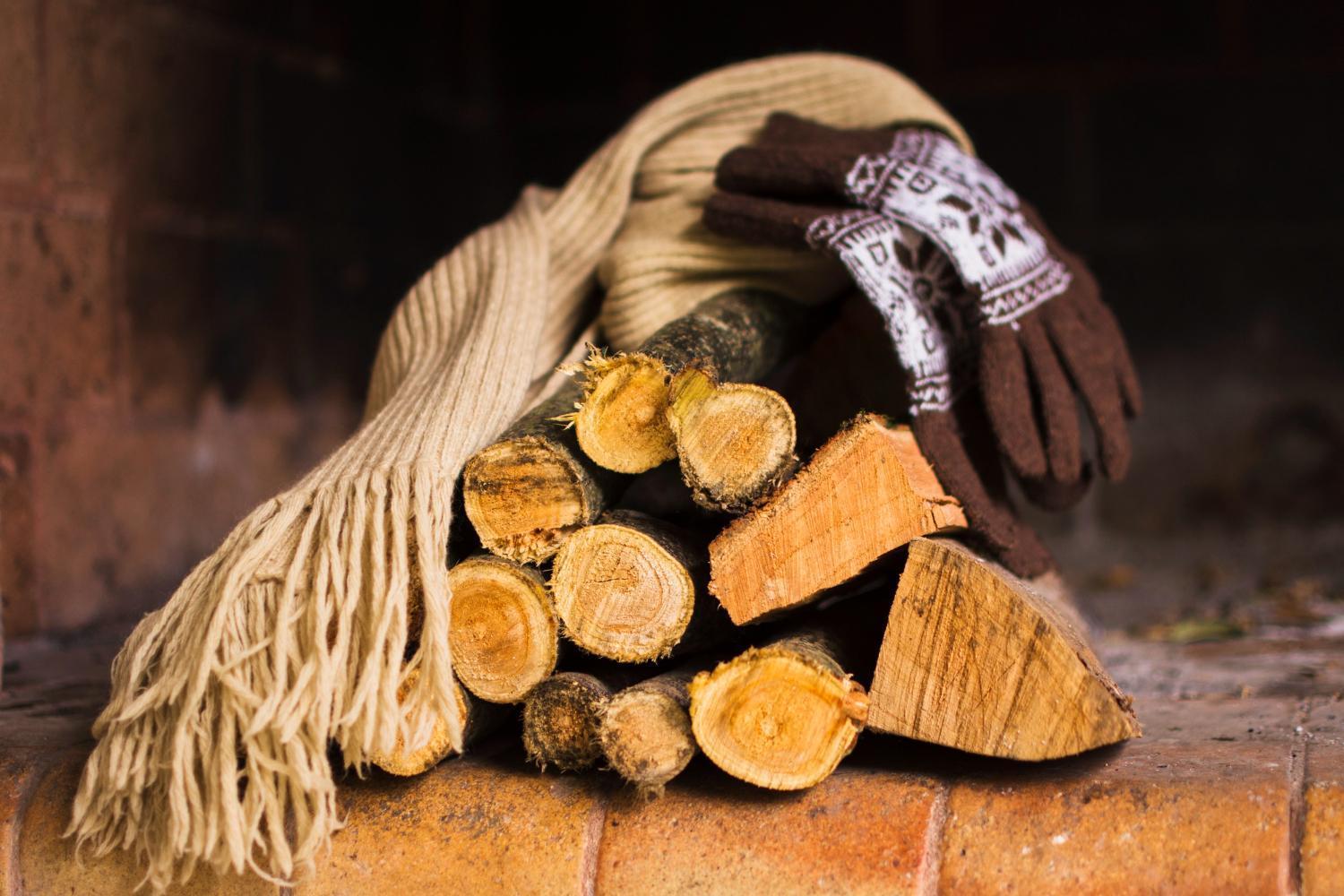
Image by Magnific
Choosing the right species
Hardwoods are a common choice for firewood, but some produce more heat than others. Oak, hickory and ash are among the denser hardwoods available in the eastern US. They produce more heat per cord than lighter hardwoods and tend to leave a coal bed that helps keep the fire going between additions.
Cherry and maple are mid-density hardwoods that burn cleanly and provide good heat. They work well for both heating and fires where appearance matters. Apple and other fruit woods also burn hot and have a pleasant aroma, which makes them popular for decorative fires and cooking.
Softwoods such as pine and fir are easier to light and produce a bright flame quickly. They also burn faster and can produce more resin and creosote than hardwoods. That makes them useful for kindling or getting a fire started, but less practical as the main fuel for a fire that’s expected to provide heat for several hours.
The moisture content question
Freshly cut green wood can contain 50 to 60 percent moisture by weight. When you burn wood this wet, some of the fire’s energy has to evaporate the water before the wood can produce useful heat. That leaves you with a cooler, smokier fire and can lead to faster creosote buildup in the flue. Seasoned wood with a moisture content below 20 percent burns hotter and produces more usable heat.
Buying green wood and burning it right away may seem convenient, but most hardwoods need six to twelve months to dry properly. Oak can take closer to two years.
Firewood sellers don’t always describe their products in the same way. When looking at a supplier such as Sherman Outdoor Services, check the species, quantity and moisture content listed, then use the same criteria when comparing sellers in your area.
Stacking for maximum airflow
How you stack firewood has a big effect on how well it dries. Wood needs air moving around it, so give the stack airflow on at least three sides. Avoid placing it directly against a house, garage wall or solid fence, where airflow behind the pile will be limited.
Keep the bottom of the stack off the ground as well. A pallet, treated rail tie or concrete blocks can keep the lowest logs away from damp soil while also making it harder for insects to move into the pile.
A single row generally allows more air to move around the wood than a deep pile or several tightly packed rows. Leave the cut ends exposed so moisture can escape as the wood seasons.
Covered storage without full enclosure
The best storage setup keeps rain and snow off the top of the wood while leaving the sides open to air. A simple lean-to can do the job well. The roof protects the stack from the weather, while the open sides allow moisture to escape.
For a home woodpile, you could use an open-sided woodshed, a roofed storage rack or a tarp covering only the top of the stack. Avoid wrapping the entire pile in plastic. Covering the sides may seem like a good way to keep the wood dry, but it can trap moisture and slow the drying process.
What the EPA says about cleaner wood burning
The US Environmental Protection Agency’s Burn Wise programme offers guidance on cleaner wood-burning practices. According to the EPA, burning dry, properly seasoned wood in an EPA-certified appliance can reduce fine particle pollution from wood fires by up to 70 percent compared with burning wet wood in an older, uncertified stove. Its guidance also emphasizes moisture content as one of the most important factors homeowners can control when trying to burn wood more efficiently and with less smoke.
The two-year plan for serious firewood users
If firewood provides much of your winter heat, it can help to keep two seasons’ worth of wood in rotation. Wood cut or purchased this year can season through the following year and be ready to burn after that.
This approach takes some planning and requires enough storage space, but it reduces the chance of reaching October with a pile of wood that’s still too wet to burn well. It can be especially useful for slower-seasoning hardwoods such as oak.
Make the Most of Your Firewood
Good firewood takes a little planning, but most of the work happens long before you strike a match. Buy or cut wood early enough for it to dry, keep it off the ground and protected from rain, and check the moisture before bringing it inside to burn.
Once you get into that routine, there’s less guesswork involved. You know the wood is ready, the fire is easier to manage, and you’re less likely to send unnecessary smoke and creosote up the chimney. That makes for a better fire and fewer problems to deal with later.