Here’s some food for thought before you start planning your next trip: your pet has no context for what’s happening. None. All they know is the ground is moving, everything smells different, and the routine has changed. That’s the full picture from their side.
Once you actually internalize that and really think about what that their experience is like, you’ll be able to properly plan ahead for your pet’s comfort. These small actions, done with care, build comfort early and last through until you arrive at your destination.
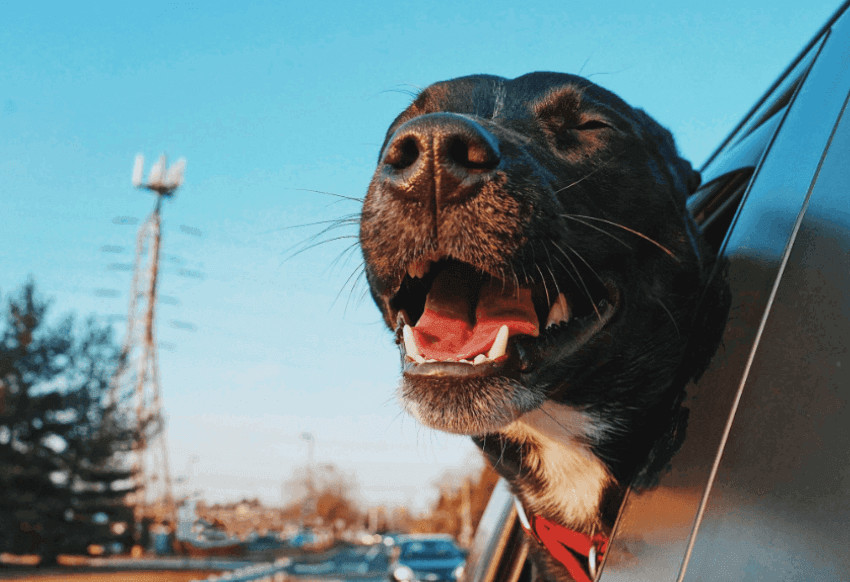
Source: Pexels
1. Start Preparing Long Before You Leave
The time to start thinking about your pet’s travel comfort isn’t the morning you leave. It’s days or weeks before. Carriers are a good example of where this matters most. Think about it from your pet’s perspective. If the carrier only ever appears right before a vet visit or something unpleasant, of course, it becomes something to dread. That’s a learned association, and it’s completely logical from the animal’s perspective.
The way to undo it is boring and simple. Take the carrier out weeks before you leave and just leave it there. Blanket inside, maybe a toy. Let your pet sniff it, sleep in it, walk past it a hundred times without anything happening. You’re diluting a bad association with a lot of neutral ones.
Short practice drives work on the same principle, and they’re also genuinely useful for information gathering. A quick run around the neighborhood tells you a surprising amount, like does your pet settle, or does the anxiety ramp up quickly? Does motion sickness show up?
That’s information worth having before you’re three hours into a six-hour drive, miles away from home. If something comes up, you now have time to call your vet about it before the real journey begins.
2. Pack More Than Just the Basics
Everyone remembers food and water. What gets forgotten is the stuff that makes an unfamiliar place feel slightly less foreign to an animal that’s processing everything through smell and routine.
Bring the blanket from their usual sleeping spot. The toy your pet actually plays with. Their own bed if you can manage it. These things carry scent, and scent is how animals make sense of their environment.
A familiar smell in an unfamiliar place carries scent cues that genuinely calm animals in new environments. Also, sticking to your pet’s normal feeding schedule, as much as travel allows, helps maintain that sense of routine.
Bring basic and practical stuff as well, just in case. Stuff like waste bags, wipes, a spare towel, bottled water, any medications your pet takes, and vaccination records. Most of the time, you won’t need half of it. But travel has a way of producing exactly the situation you didn’t prepare for, and this is cheap insurance.
3. Dress Your Pet for the Weather, Not for Style
There’s a version of pet clothing that’s purely aesthetic, and then there’s the version that’s actually useful. Lightweight doggy jumpers fall into the second category when you’re traveling in colder conditions or crossing regions where the temperature drops. That’s particularly useful for smaller breeds, puppies, short-haired dogs, or older pets who don’t hold warmth as well as they used to.
Fit matters more than anything else here. Too tight and your dog can’t move or settle properly; too loose and it bunches up underfoot and becomes a hazard. If your pet has never worn anything before, put the outfit on at home a few times beforehand. Let it get used to the sensation well before it’s dealing with the added stress of travel.
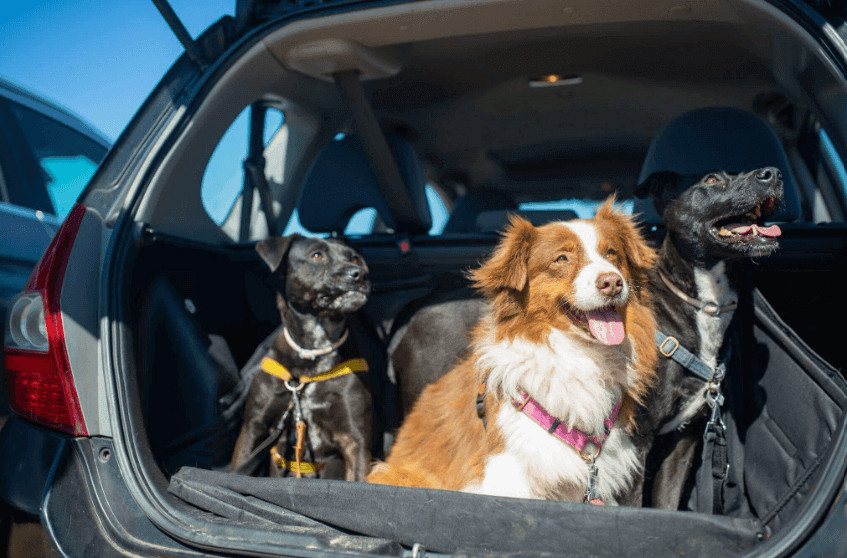
Source: Pexels
4. Make the Journey Comfortable
Whatever your mode of transport, your pet needs a designated space to actually relax in. In the car, that means a properly secured carrier or a crash-tested safety harness. Letting a dog roam freely might feel kinder, but it’s genuinely dangerous for everyone in the vehicle.
Pay attention to the temperature inside the vehicle as well. You might feel perfectly comfortable in the car, but the sun angle is different at seat level, the air circulation isn’t reaching the carrier the same way, and your pet is wearing a fur coat that it cannot remove.
Watch for heavy panting that seems out of proportion, excessive drooling, or your pet just can’t seem to settle. These are early signs of overheating.
Every few hours during the drive, find a safe place to stop. Let your dog out on a leash, offer water, and give it a few minutes to just exist somewhere that isn’t a moving vehicle. It sounds like a small thing. But a short break can help an anxious pet calm down, and the driving that follows tends to go better for it.
5. Be Ready for Unexpected Weather
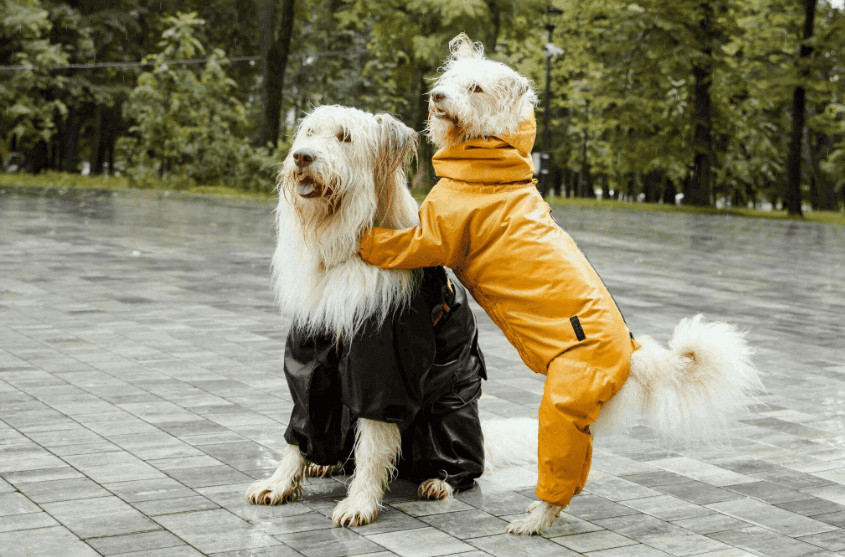
Long road trips cross a lot of different conditions, and the weather you leave in is often not the weather you’re dealing with three hours later. A rest stop in the rain seems manageable until you realize your pet is now thoroughly soaked, and a wet animal is a cold animal that you’re about to put back in the car for another two hours.
A lightweight waterproof jacket is the fix, and it takes up almost no room. This helps them stay warm and dry. When returning to the vehicle, also take time to wipe their muddy paws and dry their wet fur before driving on.
Source: Pexels
6. Watch Your Pet’s Behavior Along the Way
Your pet is not going to tell you something’s wrong. What it will do is show you, through whining, trembling, excessive panting, refusing food it would normally eat, or restlessness where it never actually settles. All of these are things worth taking note of and acting on.
Just stepping back for a moment might do it. Maybe pause, offer some water, or shift the carrier into shade. Simply doing small things that ease your pet’s nerves. Staying calm quietly influences them, too. It actively helps your pet regulate.
For pets with a real history of anxiety or motion sickness during travel, have the conversation with your vet before you leave. There are behavioral approaches worth trying, and medication where it’s genuinely needed.
Conclusion
There’s no secret to traveling well with a pet. It’s preparation, mostly, and the willingness to think about the experience from your pet’s side rather than just your own itinerary.
Introduce travel gradually, bring the familiar things, dress your pet sensibly for conditions that might change, and stay observant.
None of this is complicated, but it adds up to a pet that feels secure rather than stressed. And a pet that feels secure makes for a much better trip, for both of you.