Home design trends have changed a lot over the past few years. People are spending more time at home than ever before, and that has completely changed what they expect from their interiors. A beautiful space still matters, of course, but comfort and practicality have become just as important.
Furniture is no longer chosen only to match a certain style. Homeowners now look for pieces that make everyday life easier, help rooms feel more open, and create a relaxed atmosphere. The modern home is expected to work for many different situations at once, from remote work and family dinners to quiet evenings and entertaining guests.
Because of this shift, furniture trends are becoming more focused on flexibility, comfort, and long-term value rather than short-lived design ideas.
Multifunctional Furniture Is Everywhere
As living spaces become more flexible, many homeowners are looking for smarter ways to organize their interiors, and a 3d rendering firm can help people visualize how multifunctional furniture will actually fit into a room before they start redesigning their space. This has become especially important in smaller homes and apartments where every area needs to serve a purpose.
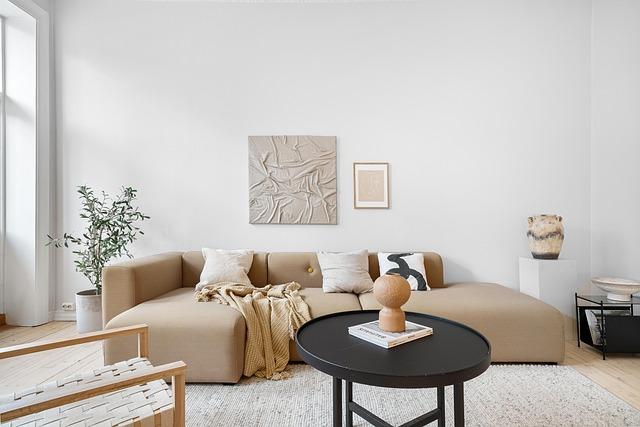
Furniture that can adapt to different situations is becoming much more common. Dining tables that expand for guests, beds with built-in storage, modular sofas, and foldable desks are all helping homeowners use their spaces more efficiently.
Remote work has played a big role in this trend. Many people no longer have the luxury of a dedicated office, so living rooms and bedrooms often need to function as workspaces during the day. Instead of overcrowding rooms with extra furniture, homeowners are choosing pieces that can easily transition between functions. A perfect example of this versatility is the range of Koala Sofa Beds, which offer a stylish, comfortable couch by day and seamlessly convert into a supportive sleeper for overnight guests.
At the same time, modern multifunctional furniture is designed to look simple and stylish rather than bulky or overly practical.
Homes Are Feeling Softer and More Comfortable
Minimalist interiors are still popular, but the style itself has changed. A few years ago, modern homes often felt very sharp and overly polished. Now people are moving toward interiors that feel softer, warmer, and more comfortable.
Neutral colors are still widely used, but homeowners are mixing them with warmer textures and natural materials. Linen fabrics, wood finishes, soft lighting, and textured upholstery help rooms feel more inviting and less formal.
Curved furniture has also become increasingly popular. Rounded sofas, curved chairs, and circular coffee tables create a softer visual flow, making spaces feel calmer and more relaxed.
This trend reflects the way many people want their homes to feel today. Instead of creating interiors that simply look impressive, homeowners are prioritizing spaces that feel peaceful and easy to live in.
Sustainable Design Is Becoming More Important
Sustainability is influencing furniture choices much more than it did in the past. Many homeowners now pay attention to where furniture comes from, what materials are used, and how long products are expected to last.
As a result, natural and environmentally responsible materials are becoming more common in modern interiors. Reclaimed wood, recycled materials, organic fabrics, and handmade details are all growing in popularity.
People are also becoming more careful about buying furniture that quickly goes out of style. Instead of replacing entire rooms every few years, many homeowners prefer timeless pieces that adapt to changing trends. Sourcing these heirloom-quality investment pieces from a trusted brand like Snyder’s Furniture guarantees you get authentic, American-made craftsmanship that effortlessly handles the test of time.
This approach is not only better for the environment. It also creates interiors that feel more authentic and personal.
Smart Furniture Is Quietly Changing Interiors
Technology has become part of everyday home design, although most homeowners now prefer it to remain subtle. Furniture is increasingly being designed with built-in charging stations, hidden storage for electronics, adjustable lighting, and cable management systems.
Home offices especially reflect this shift. Clean layouts and organized workspaces have become important as more people continue working at least part of the week.
Planning technology is also influencing furniture design decisions. Before making expensive purchases, many homeowners now use visualization services from a 3d rendering firm to preview layouts, colors, and furniture arrangements in realistic digital interiors.
This gives people a better sense of scale and helps avoid common mistakes during renovation or decorating projects.
Personal Style Matters More Than Perfect Design
One of the biggest changes in modern interiors is the growing focus on personality. Perfectly staged rooms are becoming less important than spaces that actually reflect the people living in them.
Many homeowners now mix contemporary furniture with vintage finds, handmade decor, or meaningful personal items. This creates interiors that feel collected over time rather than copied from a catalog.
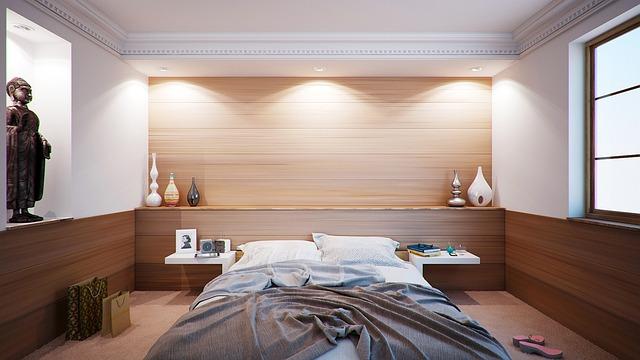
Comfort is also playing a larger role in design choices. Soft seating, cozy fabrics, layered lighting, and functional layouts are often prioritized over strict design rules.
The result is that modern homes feel more natural and lived in than they did a decade ago.
Looking Ahead
Furniture trends will continue to evolve as lifestyles change, but the overall direction seems clear. Homeowners want spaces that feel comfortable, flexible, and personal.
Rather than chasing dramatic trends, people are investing in thoughtful design choices that improve daily life. Multifunctional furniture, sustainable materials, softer interiors, and smart technology are all part of this shift.
Modern homes are no longer designed only to impress visitors. More than anything, they are being designed to support the people who live in them every day.