As your family grows, your home needs to evolve too, from cramped spaces to nurturing havens that support play, sleep, and everyday chaos. In the US, the ideal family size remains above two children, as found in a recent Gallup survey. Going by numbers, 40% believe that having two children is optimal, while 27% want to have three kids, 11% think four is ideal, and 4% want even bigger families.
Whether you’re welcoming a newborn, adding toddlers, or blending multi-generational living, homeownership dreams could mean retrofitting your home. Smart preparation keeps everyone safe, organized, and happy. The idea is to focus on flexibility, storage, safety, light, air, and outdoor flow.
Let’s dive into actionable ways to future-proof your space for joyful family milestones.
Adopt a Flexible Layout
According to House Beautiful, the floor plan of your home should be the first thing to consider when designing a space for family living. Open layouts are recommended by designers for young families with babies and toddlers. Flexibility is also key when kids’ needs shift from cribs to homework nooks overnight.
Start by assessing your floor plan. Open-concept living rooms suit playdates, while removable partitions create private zones. Break down fixed walls if possible, but consult local codes to do it on the right note. Use sliding barn doors or room dividers to adapt without permanent changes.
For growing families, designating “zones” is a good idea. A family command center with charging stations and calendars can be set up near the kitchen. You can have a reading nook that can later be transformed into a study space for your kids. Rugs define play areas without walls, and stackable ottomans serve as extra seating.
Maximize Storage
Growing families may never have enough space, regardless of the square footage of their home. Clutter explodes with kids’ toys, clothes, and gear, but it can be conquered with smart storage. You can use the vertical space by installing floor-to-ceiling shelves. Under-bed drawers can serve to hold out-of-season clothes, freeing up closets.
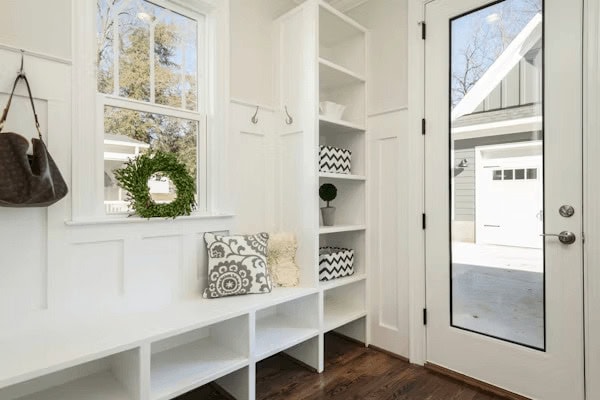
Kitchen storage is essential, and there are several hacks that shine. Pull-out pantry shelves and magnetic knife strips double as kid-plate holders. In bedrooms, over-door organizers stash diapers or sports gear. For garages, overhead racks can be used to store extra stuff, while reclaiming 20% more floor space.
Label bins with chalkboard paint for easy toy rotation, teaching kids organization early. Target 10–15% more storage than current needs to handle growth spurts. This keeps sanity intact during holidays when toys multiply. Moreover, your kids learn the art of organization when they have specialized storage spaces allocated to them.
Prioritize Safety
American parents lose sleep over hazards, considering that several everyday objects can be dangerous for children. According to Consumer Reports, products like infant neck floats, baby loungers, weighted blankets, and water beads have been flagged as unsafe for little ones. Even swaddles and sleep sacks pose risks. The ongoing Similac lawsuit highlights the danger of cow-milk-based formulas.
TorHoerman Law notes that many premature babies fed this product have been harmed, suffering from necrotizing enterocolitis, a severe intestinal disease. Imagine how the most harmless-looking things can harm your baby. Safety should, therefore, be a priority when preparing your home for a growing family.
Baby-proof your space with outlet covers, cabinet latches, and corner guards. Secure furniture to walls with anchors and install smoke/CO detectors. Consider upgrading to smart ones like Nest that text alerts. Gates at stairs using pressure-mounted models can be a safety plus. Indoors, non-slip rugs safeguard from falls, and cordless blinds avoid strangulation risks.
Ensure Good Lighting and Ventilation
Natural light and fresh air boost moods and health, and are crucial for growing kids. According to the Sustainability Directory, children’s bodies require sufficient vitamin D from sunlight for effective calcium and phosphorus absorption, particularly in their rapid growth phases. It also regulates their internal clock for better sleep, which promotes growth.
Ventilation fights mold in humid states like Florida. Inhaling mold is dangerous for young children as it can cause adverse health effects, such as wheezing, coughing, allergic reactions, and asthma attacks. Asthma is a pronounced risk, as it can lead to neurological problems in infants.
Maximize windows with sheer curtains, and add dimmable LEDs for task lighting in playrooms. Layer lighting with ambient pendants over tables, task lamps for reading, and nightlights for tots. EnergyStar-rated fixtures save significantly on bills. Keep windows open for a few hours, add greenery with indoor plants, and ensure regular tune-ups for your HVAC system for good ventilation.

FAQs
How to plan a nursery layout?
Planning a nursery layout ensures optimal use of space, safety, and aesthetics. Place the crib against a wall away from windows/doors for drafts. Add a changing station at hip height near storage. Soft rug anchors play, while the rocker should face calming views. A multi-use dresser is a good investment as it evolves to toddler use.
What are the best colors for children’s rooms?
Neutrals like soft grays or beiges are ideal for children’s rooms as they adapt the longest. Accents like blues and greens can be added to create a calm space, while yellows energize and foster a happy vibe. Avoid dark hues, as they shrink rooms. Also, use only no-VOC paint for kids’ rooms as they are healthy.
How to baby-proof your home?
Start with a quick audit, identifying risk factors like uneven surfaces, dark areas, sharp corners, and dangerous objects in your home. Address them with measures like covering outlets, locking cabinets, installing stair gates, and anchoring heavy items. Use sensor lights for night changes, and install pool alarms if applicable.
Preparing your home for a growing family transforms challenges into cherished memories, blending practicality with love. Invest in these simple measures now to avoid reactive fixes later. A well-prepped home supports milestones, from first steps to teen independence. Consult pros for big changes, budget via apps, and involve kids for buy-in. Your evolving nest isn’t just shelter, but a foundation for a thriving, happy family.