Home gyms have changed dramatically over the last few years. What started as a practical alternative to crowded fitness centers has evolved into a major part of how people approach health and exercise. Adjustable dumbbells, squat racks, cardio machines, and carefully designed workout rooms have become common features in homes where fitness is a priority.
Yet many people spend enormous amounts of time planning their workout space while paying surprisingly little attention to what happens afterward. The focus usually stays on training itself. How much equipment is needed? Which exercises should be included? How can performance improve? Recovery often becomes an afterthought, even though it plays a major role in how effective a fitness routine actually feels over time.
The irony is that the people struggling with consistency are not always training incorrectly. Sometimes they simply have not created an environment that supports recovery with the same level of intention.
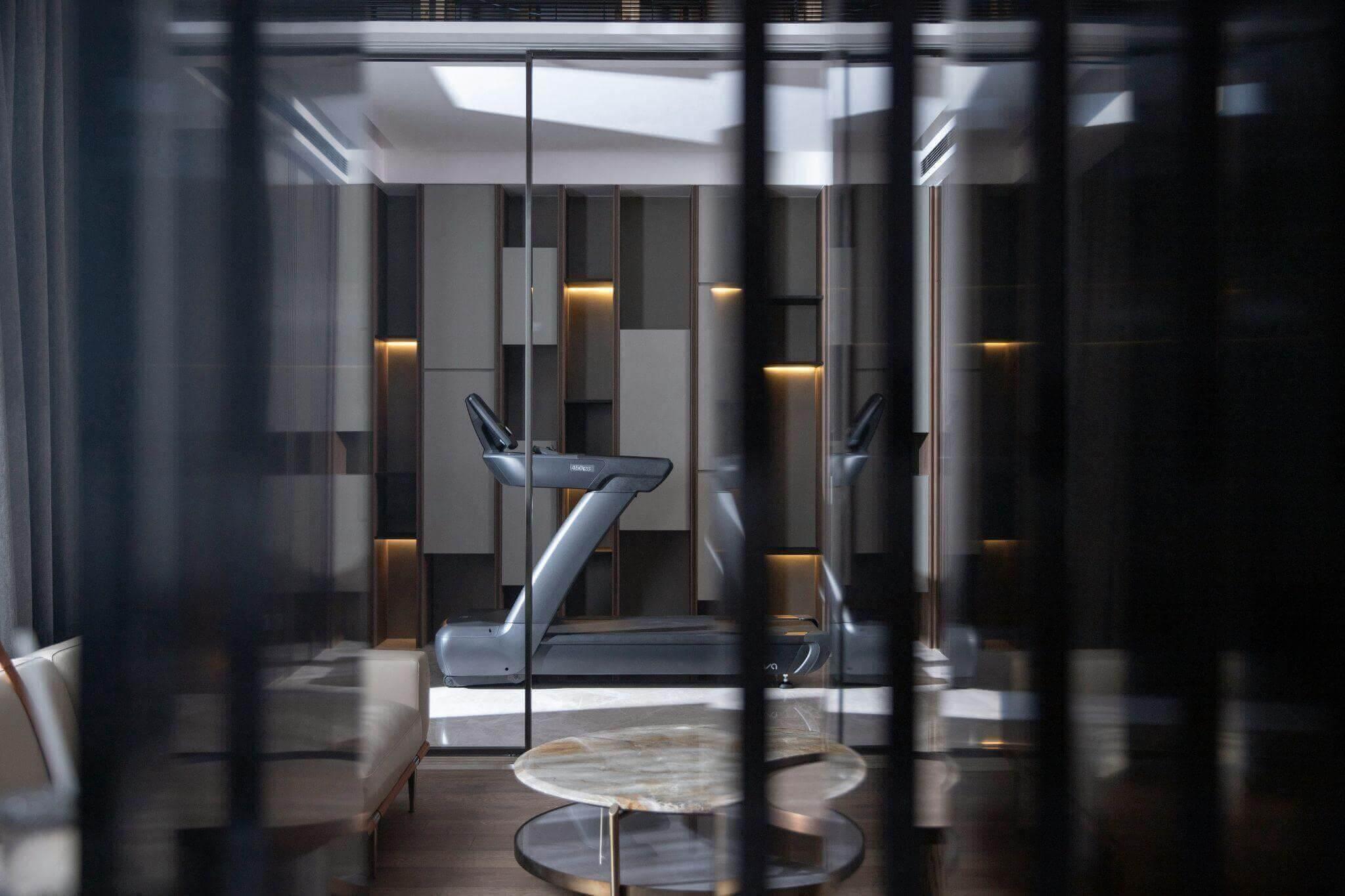
Photo by Intenza Fitness on Unsplash
Why Recovery Affects Motivation More Than People Realize
Most people think motivation comes before action. In reality, motivation is heavily influenced by how a person feels physically. Someone who wakes up sore, exhausted, and mentally drained is naturally less excited about another workout than someone who feels rested and recovered.
This is where recovery becomes important. Recovery is not simply about repairing muscles. It affects energy levels, mood, focus, and overall willingness to continue showing up consistently. When recovery is neglected, exercise starts feeling harder than it should.
Many people mistakenly interpret this as a lack of discipline. They assume they need more willpower when the real issue is that their body never fully recovered from previous effort. The result is a cycle where workouts become increasingly difficult to maintain despite good intentions.
The Missing Area in Many Home Gyms
A surprising number of home gyms are designed entirely around exertion. Every square foot is dedicated to equipment, storage, or training space. There is often no area specifically intended for winding down after a workout.
Recovery spaces do not need to be large or elaborate. The purpose is simply creating an environment where the body can transition out of training mode. Comfortable seating, hydration, airflow, natural light, and a calmer atmosphere can make a noticeable difference after intense activity.
People tend to underestimate how strongly environments influence behavior. A space that encourages recovery increases the likelihood that recovery habits actually happen. Without that environment, people often finish exercising and immediately return to work, screens, or other responsibilities without giving their body much time to reset.
Nutrition Plays a Bigger Role Than Workout Timing Debates

Photo by Jimmy Dean on Unsplash
Fitness culture has always loved debating details. One of the most common discussions involves whether people should eat before or after workout to lose weight. While timing can matter in certain situations, many people become so focused on these questions that they overlook broader nutritional habits.
Consistent nutrition tends to have a greater long-term impact than obsessing over perfect timing. Energy levels, recovery quality, and workout performance are influenced by overall eating patterns much more than a single meal decision.
This is one reason more people are shifting away from rigid fitness rules and toward practical routines that fit everyday life. A sustainable approach usually produces better results than constantly trying to optimize every detail. Recovery improves when nutrition supports the body consistently rather than only surrounding workouts.
Comfort Is Becoming Part of Fitness Design
The design of home fitness spaces is changing because people are spending more time exercising at home than ever before. What once felt like a temporary solution has become a permanent part of many lifestyles.
As a result, comfort is receiving more attention. People want workout environments that feel enjoyable rather than purely functional. This includes lighting, layout, flooring, and even the atmosphere surrounding the training space.
Someone exploring options through The Great Fire Company is usually thinking about how a space feels as much as how it looks. The environment people spend time in influences mood, relaxation, and overall comfort. As recovery becomes a larger part of wellness conversations, many homeowners are paying closer attention to creating spaces that feel restorative rather than focusing exclusively on performance.
The goal is not simply building a gym. It is creating an environment that supports the entire fitness experience.
The Best Fitness Habits Are Easier to Repeat
One reason recovery matters so much is that it influences consistency. The most effective workout routine is rarely the most intense one. It is the one a person can continue for months and years without burning out.
Recovery habits help make that possible. Better sleep, adequate nutrition, hydration, stress management, and comfortable environments all contribute to making exercise feel sustainable. When people recover well, they are more likely to return to training with energy rather than obligation.
This perspective shifts the focus away from short-term effort and toward long-term habits. Progress becomes less about pushing harder every week and more about creating conditions that support steady improvement over time.
A Great Home Gym Should Support More Than Exercise
The most successful home gyms are not necessarily the ones filled with the most equipment. They are the ones that fit naturally into everyday life. A space that encourages movement, recovery, and consistency usually creates better long-term results than one designed purely around performance.
People are beginning to recognize that fitness is not limited to what happens during a workout. Recovery, nutrition, sleep, and environment all influence how effective those workouts become. Ignoring those factors makes progress harder than it needs to be.
A home gym should help people feel stronger, healthier, and more energized. Sometimes the most important part of that space is not where the workout happens. It is the area that helps the body recover afterward.